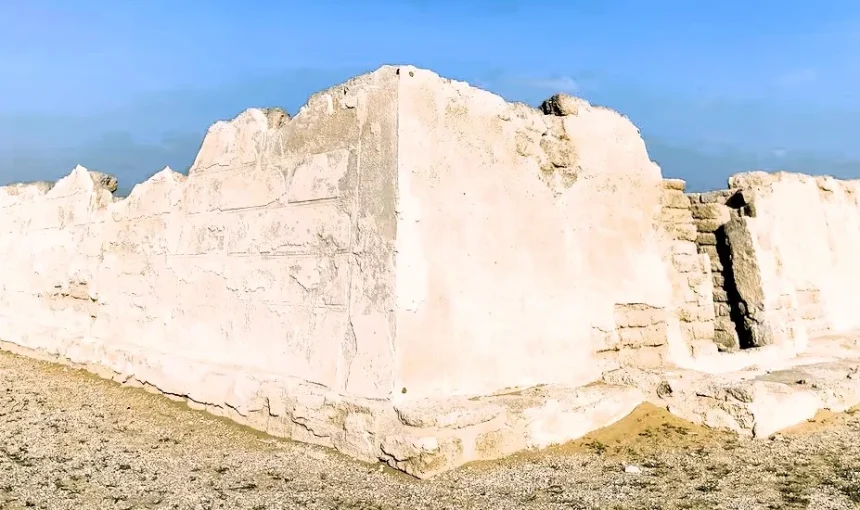
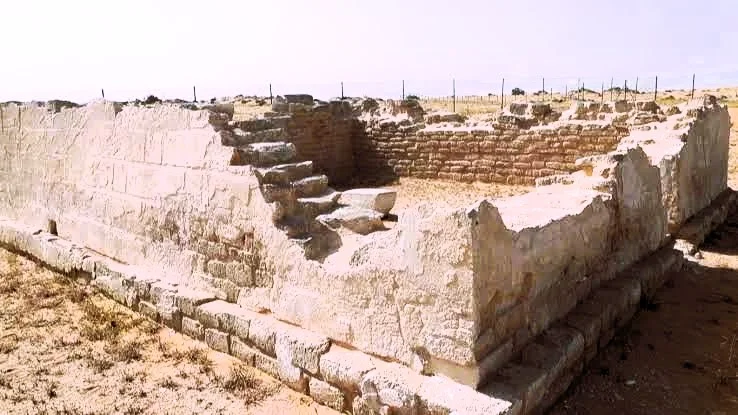
Ed Dur (also written Ad Dour or Al Dour, meaning “the houses” in Arabic) is an ancient port city in Umm Al Quwain and one of the largest archaeological sites in the UAE. It lies in the Al Dour area off the Umm Al Quwain to Ras Al Khaimah road (E11), about an hour’s drive from Dubai. The city flourished from the late first century BC to the third century AD, trading pearls, dates and goods with Mesopotamia, Persia, India and the Roman world, and historians believe it may be the lost port of Omana named by Pliny and Strabo. Its ruins include a Sun Temple, a stone fort with four corner towers, houses and hundreds of stone tombs, and the site is on the UAE’s UNESCO World Heritage tentative list. The site itself is fenced and not open to the public, but its treasures, from pottery and coins to jewellery and grave goods, are on display at the Umm Al Quwain Museum in the old town. White Sky Travel and Tourism arranges Umm Al Quwain heritage day trips from Dubai, with flexible payment through Tabby, Tamara or UAE credit card installments for up to 12 months.
Planning your Next trip? Let White Sky handle it.
We book your attraction tickets and tours, with the option to pay later with Tabby, Tamara or UAE credit card monthly instalments.
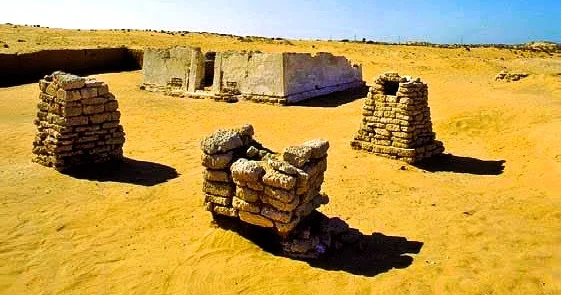
Table of Contents
Ed Dur at a glance
| Fact | Details |
|---|---|
| Other names | Ad Dour, Al Dour, Ed Dour |
| Location | Al Dour area, off the Umm Al Quwain to Ras Al Khaimah road (E11), Umm Al Quwain, UAE |
| Age | Settled for thousands of years; peak from the late first century BC to the third century AD |
| Size | About 2 square kilometres |
| Known for | Sun Temple to the god Shamash, a four tower fort, hundreds of tombs, Roman glass and ancient coins |
| Heritage status | On the UAE’s UNESCO World Heritage tentative list |
| Public access | Not open to the public; the site is fenced to protect the ruins |
| Where to see the finds | Umm Al Quwain Museum, Al Ali Fort, King Faisal Road, Old Town, Umm Al Quwain |
| Best time for a heritage trip | October to March |
History of Ed Dur
An Iraqi archaeological team first identified Ed Dur in 1973, and major excavations by Belgian, British, Danish and French teams followed from the late 1980s. Their digs revealed one of the most important trading ports of the southern Gulf in its time.
At its height, the hills above the lagoon were covered with stone buildings, palm frond homes and thousands of tombs. About 500 tombs have been excavated so far, holding drinking sets, Roman glass, weapons, pottery, jewellery and ivory. Coins from Rome, Nabataea, Mesopotamia, Persia, South Arabia and India show just how far the town’s trade reached.
The most famous building is the Sun Temple, dedicated to the sun god Shamash. Its stone basin carries an Aramaic inscription, and its decorated walls follow a style also seen in temples of the eastern Mediterranean. Nearby stands a square fort built from beach rock, with four round towers at its corners. Ed Dur also had close links with Mleiha, the inland trading town in Sharjah, as both sites share the same coins, burial customs and pottery.
Ed Dur’s importance is recognised well beyond the UAE. UNESCO lists the Ed Dur Site on its World Heritage tentative list, and the UAE National Cultural Map describes it as one of the largest coastal settlements of the Roman period. It sits alongside other heritage sites in the UAE that tell the story of the region before oil.
Latest discoveries around Ed Dur
Archaeology in this corner of Umm Al Quwain is still very active. In 2019, a dig at Ed Dur uncovered 15 tombs along with bronze statues, jewellery and pottery from the first century AD. Just across the lagoon on Al Sinniyah Island, archaeologists announced an early Christian monastery in 2022, the oldest known pearling town in the Gulf in 2023, and evidence in 2024 that it may be the lost city of Tu’am. In July 2026, a ground radar study by Khalifa University found signs of more buried buildings on the island, so expect new finds in the coming seasons.
Can you visit Ed Dur?
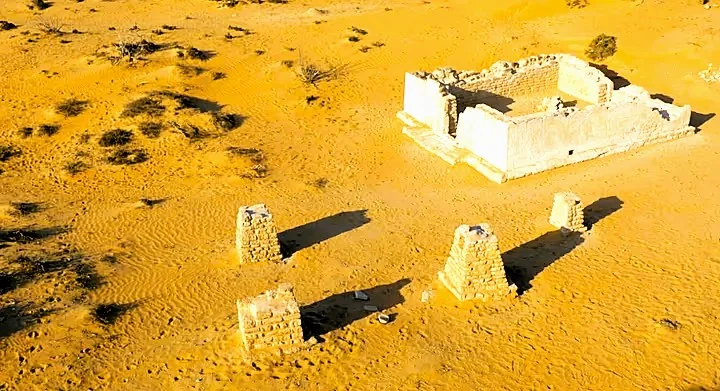
No, the Ed Dur archaeological site is not open to the public. The ruins are fenced off to protect the fragile walls, the Sun Temple and areas where excavation work continues, so there are no public tours, visitor facilities or ticket office at the site. Driving out to Ed Dur on your own will only get you a view of the fence, so we don’t recommend it.
The good news is that you can still see Ed Dur up close. The most important objects found at the site have been moved to the Umm Al Quwain Museum, where they are displayed with the story of the ancient port, so a museum visit is the best way to experience Ed Dur today.
Where to see Ed Dur’s treasures: Umm Al Quwain Museum
The Umm Al Quwain Museum is housed inside the restored Al Ali Fort, built in 1768, on King Faisal Road in the old town of Umm Al Quwain. Its archaeology rooms show finds from Ed Dur and other ancient sites in the emirate, including pottery, coins, jewellery, weapons and grave goods from the tombs. Alongside them you’ll see pearl diving tools, traditional weapons and restored rooms that show life before oil.
- Address: Al Ali Fort, King Faisal Road, Old Town, Umm Al Quwain
- Opening hours: Saturday to Thursday from 8am to 2pm, Friday from 5pm to 8pm
- Tickets: around AED 4 to 5 for adults, and children under 15 usually enter free
- Time needed: 45 to 90 minutes
- Drive from Dubai: about 45 to 60 minutes
Timings and prices may change and T&C apply.
Plan an Ed Dur heritage day trip from Dubai
The easiest way to enjoy the story of Ed Dur is a heritage day trip that brings together the museum and the nearby historic sites of Umm Al Quwain. Here’s how a typical day works.
- Pick your season. Book between October and March for cooler weather. Summer from June to September can pass 45°C, so keep outdoor stops short and early.
- Start at the museum. Arrive in the morning, as the museum closes at 2pm from Saturday to Thursday. Spend time in the archaeology rooms, where the Ed Dur finds are shown.
- Explore the old town. Walk the streets around the fort to see traditional homes, the waterfront and old watchtowers.
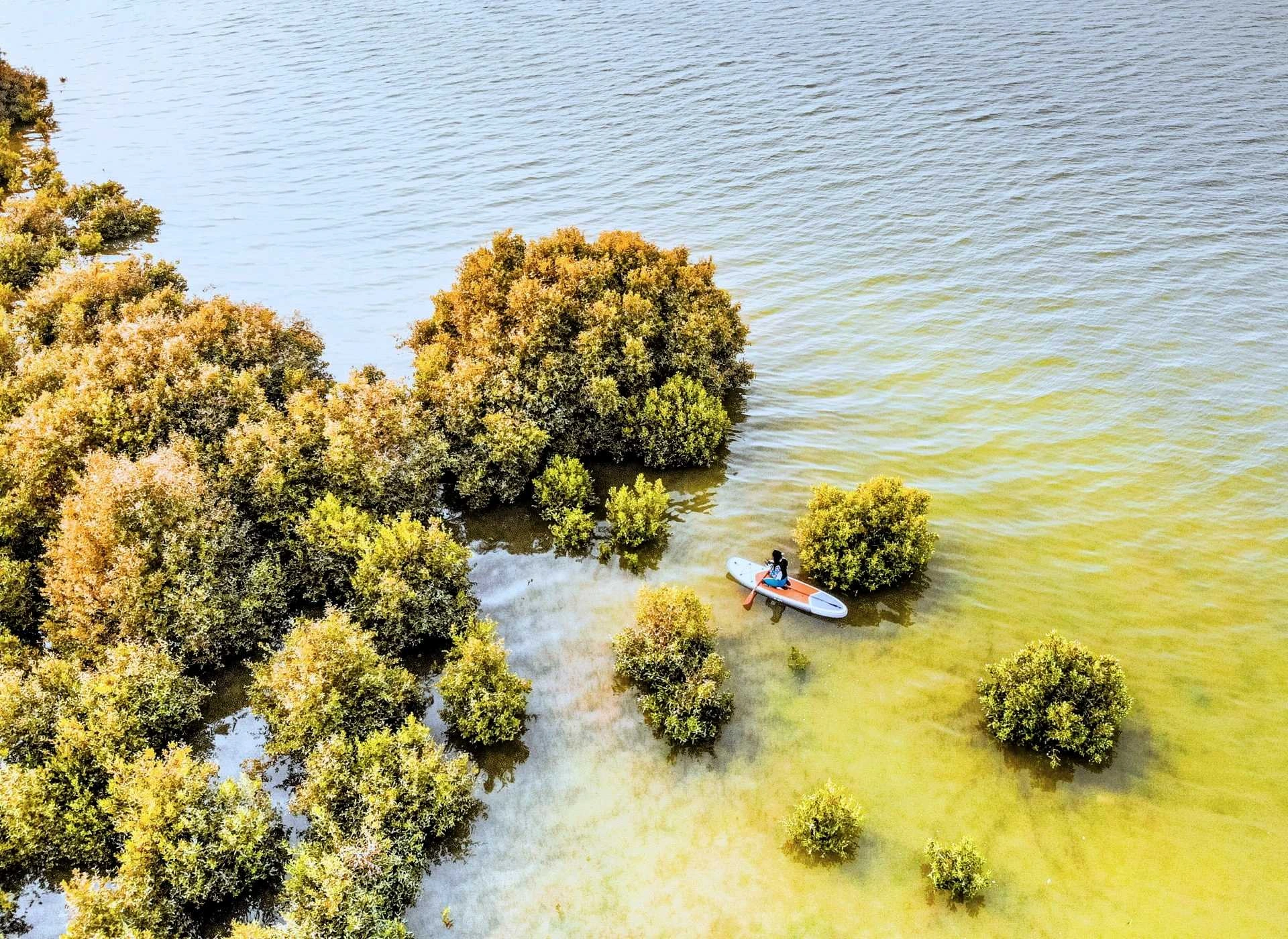
- Add Al Sinniyah Island. A boat trip around the island shows the mangroves and the area where the monastery and pearling town were found.
- Relax by the water. Finish at Mangrove Beach Umm Al Quwain or the Khor Al Beidah lagoon for kayaking and sunset views.
- Book it in one go. White Sky arranges transport, the museum visit and boat trips, so you can enjoy the day without planning every stop.
Tip: Read a little about Ed Dur before your trip. Knowing about the Sun Temple, the coins and the trade routes makes the museum displays come alive, especially for children.
How long an Umm Al Quwain heritage trip takes
The museum itself takes 45 to 90 minutes, but the full trip from Dubai fills most of a day once you add travel and other stops. The table below shows what changes the timing.
| Trip type | How long | What changes it | What to watch for |
|---|---|---|---|
| Museum only | 3 to 4 hours from Dubai | Traffic and time in the galleries | Museum closes at 2pm (Saturday to Thursday) |
| Museum and old town | 5 to 6 hours | Walking pace and photo stops | Midday heat outdoors |
| Museum, old town and boat trip | 7 to 8 hours | Boat timings and weather | Book the boat in advance |
| Family heritage day | 6 to 8 hours | Breaks, snacks and meals | Tired children by late afternoon |
| Friday evening visit | 3 to 4 hours | Museum opens 5pm to 8pm | Less time for outdoor stops |
If your trip runs longer than planned, it’s usually traffic on the Dubai to Umm Al Quwain road. Leave earlier than you think you need to.
Mistakes to avoid when planning to see Ed Dur
- Driving to the site expecting to go in. Ed Dur is fenced and not open to the public. Head to the Umm Al Quwain Museum to see the finds instead.
- Arriving at the museum in the afternoon. From Saturday to Thursday it closes at 2pm, and on Friday it only opens in the evening.
- Visiting in peak summer heat. June to September temperatures can pass 45°C. Plan outdoor stops for the cooler months or early mornings.
- Rushing the museum. A quick walk through misses the story of the trade routes. Give it at least 45 minutes.
- Making the trip about one stop. Pair the museum with the old town, Al Sinniyah Island and the mangroves to make the drive worth it.
Related Articles
Planning more time in the northern emirates? These guides will help.
- Things to Do in Umm Al Quwain: Complete Guide for a Day Trip from Dubai
- Umm Al Quwain Museum: History, Tickets, Timings and What to See
- Al Sinniyah Island in Umm Al Quwain: Mangroves, History and Boat Trips
- Mangrove Beach Umm Al Quwain: Entry Fee, Camping and Kayaking Guide
- The Zoo Wild Life Park Umm Al Quwain: Tickets, Timings and Visitor Tips
- Cultural Experiences in the UAE Heritage Sites and Traditions
- Budget Tours in UAE: Explore More for Less
Frequently asked questions about Ed Dur
What is Ed Dur?
Ed Dur is an ancient port city and archaeological site in Umm Al Quwain, UAE. It thrived from the late first century BC to the third century AD as a major trading port of the southern Gulf, linking Mesopotamia, Persia, India and the Roman world. Its best known remains are a Sun Temple, a stone fort and hundreds of tombs.
Can you visit Ed Dur?
No. The Ed Dur archaeological site is fenced and not open to the public, to protect the ruins and ongoing excavations. The best way to experience Ed Dur is to see its finds at the Umm Al Quwain Museum in Al Ali Fort.
Where can I see the Ed Dur artefacts?
The main finds from Ed Dur, including pottery, coins, jewellery, weapons and grave goods, are displayed at the Umm Al Quwain Museum inside Al Ali Fort on King Faisal Road, Old Town, Umm Al Quwain.
Where is Ed Dur located?
Ed Dur is in the Al Dour area of Umm Al Quwain, off the Umm Al Quwain to Ras Al Khaimah road (E11), near the Khor Al Beidah lagoon. It is roughly an hour’s drive from Dubai.
How old is Ed Dur?
People lived in the area for thousands of years, but Ed Dur was at its peak from the late first century BC to the third century AD, which makes its main ruins about 2,000 years old.
What was found at Ed Dur?
Archaeologists found a Sun Temple with an Aramaic inscription, a fort with four corner towers, stone houses and about 500 excavated tombs. Finds include Roman glass, pottery, jewellery, ivory, weapons, bronze statues and coins from Rome, Persia, India and Arabia.
Is Ed Dur a UNESCO World Heritage Site?
Ed Dur is on the UAE’s UNESCO World Heritage tentative list, the first step towards full World Heritage status. It is not yet a fully inscribed World Heritage Site.
What are the Umm Al Quwain Museum timings and ticket prices?
The museum opens Saturday to Thursday from 8am to 2pm and Friday from 5pm to 8pm. Adult tickets cost around AED 4 to 5 and children under 15 usually enter free. Timings and prices may change and T&C apply.
What is the best time to plan an Ed Dur heritage trip?
October to March is best, when the weather is comfortable for the old town and boat trips. Visit the museum in the morning, as it closes at 2pm from Saturday to Thursday.
What can I visit near Ed Dur?
Good nearby stops include the Umm Al Quwain Museum, Al Sinniyah Island with its monastery and pearling town ruins, Mangrove Beach and the old town of Umm Al Quwain.
Can I pay for an Umm Al Quwain heritage tour in installments?
Yes. White Sky Travel and Tourism offers flexible payment through Tabby, Tamara and UAE credit card installments for up to 12 months. Message us on WhatsApp at +971 4 220 2133 to check your options and book.
Conclusion
Ed Dur is one of the most important ancient sites in the UAE: a 2,000 year old port city whose Sun Temple, fort and hundreds of tombs show how Umm Al Quwain once traded with Rome, Persia and India. The site itself is fenced and not open to the public, but you can still see its treasures at the Umm Al Quwain Museum in Al Ali Fort. Visit between October and March, arrive at the museum in the morning, and pair it with the old town and Al Sinniyah Island for a full day of history.
Ready to discover the story of Ed Dur? White Sky Travel and Tourism is a Dubai based agency that plans heritage day trips and UAE tours. Message us on WhatsApp at +971 4 220 2133, ask about paying with Tabby, Tamara or UAE credit card installments for up to 12 months, and we’ll build an Umm Al Quwain day trip that fits your schedule. T&C apply and the final price is confirmed during booking.
Enjoying our content? Make us a preferred source on Google.
Add us as a Preferred Source on Google