Table of Contents
Misr Country: Egypt’s Story Of Heritage, Progress, And Modern Life
Egypt, known as Misr in Arabic, is a country that stands at the crossroads of history, culture, and modern development. From the towering pyramids to bustling urban streets, Misr offers a unique blend of the old and the new. Many people know Egypt for its ancient wonders, but the country has much more to offer. Today, Misr is a key player in the region, a growing economy, and a society with rich traditions and a vibrant future.
This article explores Misr’s geography, history, culture, economy, politics, and daily life. If you are curious about Misr or planning to visit, study, or do business there, this guide will give you a clear, practical understanding of the country.
Where Is Misr? Geography And Landmarks
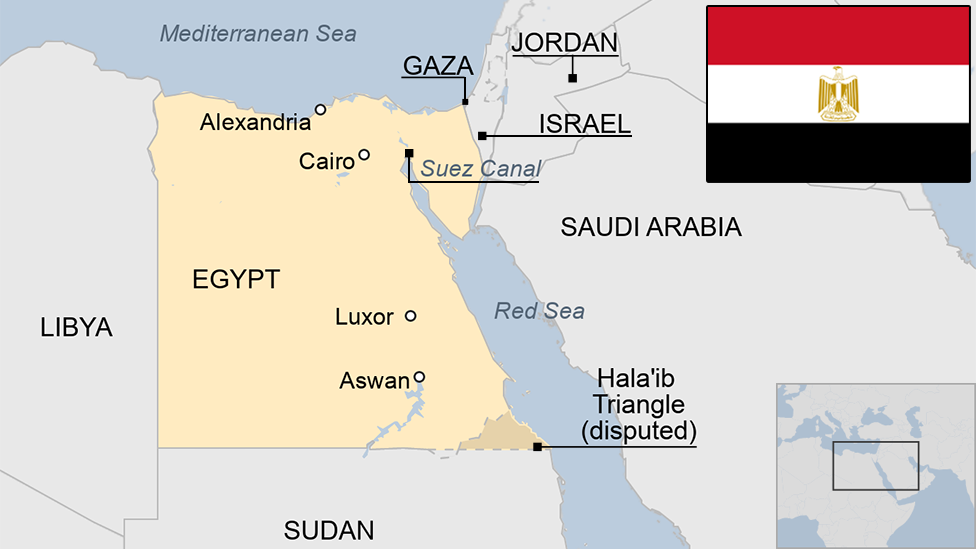
Misr is located in North Africa, bordering the Mediterranean Sea to the north and the Red Sea to the east. It shares land borders with Libya, Sudan, and Israel. Its strategic location makes it a bridge between Africa, the Middle East, and Europe.
The country is famous for the Nile River, the longest river in the world, which flows from south to north. The Nile is the lifeline for Misr’s population, supporting agriculture and providing water in an otherwise dry region. Most Egyptians live close to the river.
Key Physical Features
- The Western Desert covers much of the country, with sand dunes and rocky plateaus.
- The Eastern Desert lies between the Nile and the Red Sea, known for mining and wild landscapes.
- The Sinai Peninsula connects Africa to Asia and is known for its mountains and beaches.
- The Mediterranean coastline hosts cities like Alexandria and Port Said.
- The Red Sea coast is famous for coral reefs and resorts like Sharm El Sheikh.
Major Cities
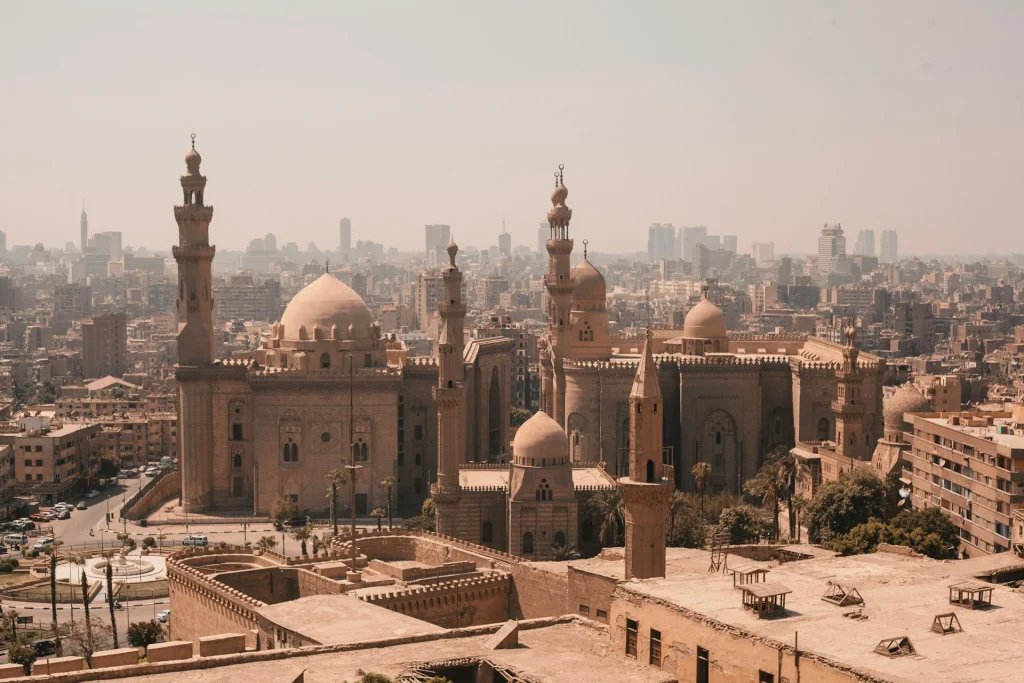
- Cairo: The capital and largest city, home to over 20 million people.
- Alexandria: Egypt’s second city, famous for its ancient library and Mediterranean charm.
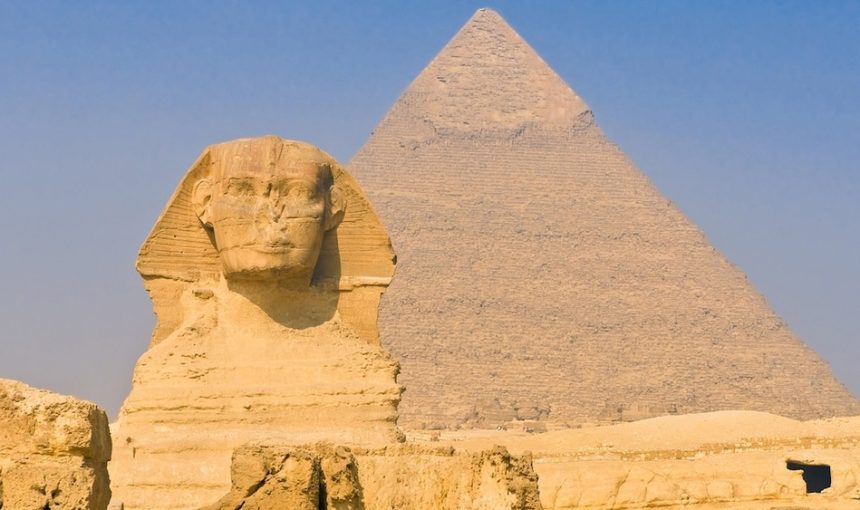
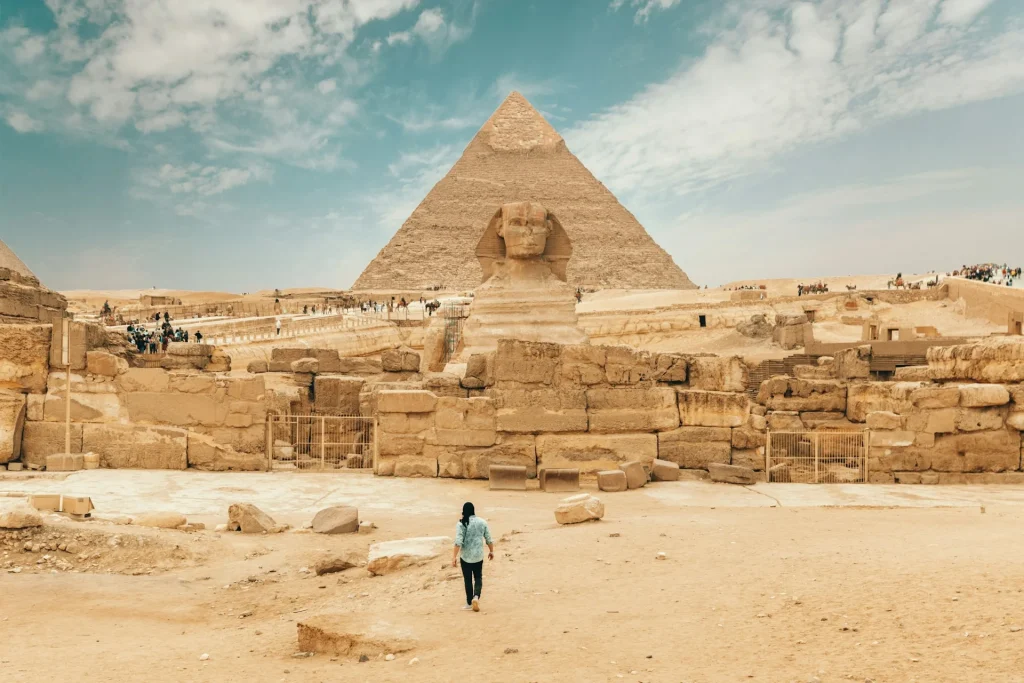
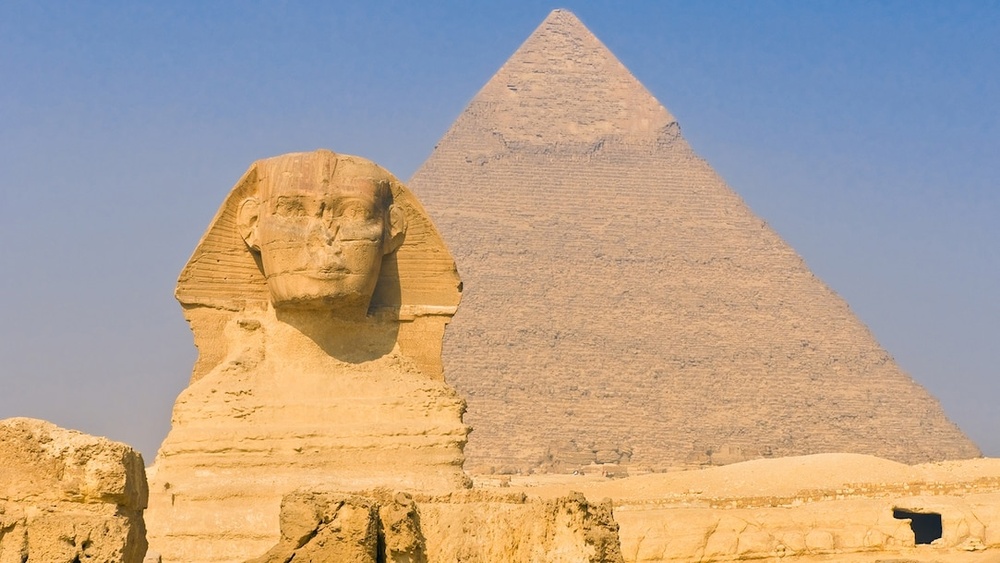
- Giza: Known for the pyramids, part of Greater Cairo.
- Luxor: The heart of ancient Egypt, with temples and tombs.
- Aswan: Southern city, gateway to Nubian culture.
Comparing Egypt’s Geography With Other Countries
Here is a quick comparison of Egypt’s size and population with neighbors:
| Country | Area (sq km) | Population | Major River |
|---|---|---|---|
| Egypt (Misr) | 1,010,000 | ~110 million | Nile |
| Libya | 1,760,000 | ~7 million | No major rivers |
| Sudan | 1,886,000 | ~45 million | Nile |
| Israel | 22,000 | ~9 million | Jordan |
A Journey Through Misr’s History
Misr’s history stretches back over 5,000 years, making it one of the oldest civilizations. Ancient Egyptians built pyramids, temples, and developed writing, math, and medicine. Today, their achievements still amaze people worldwide.
Ancient Egypt
- Pharaohs ruled Misr as divine kings.
- The Pyramids of Giza were built around 2,500 BC.
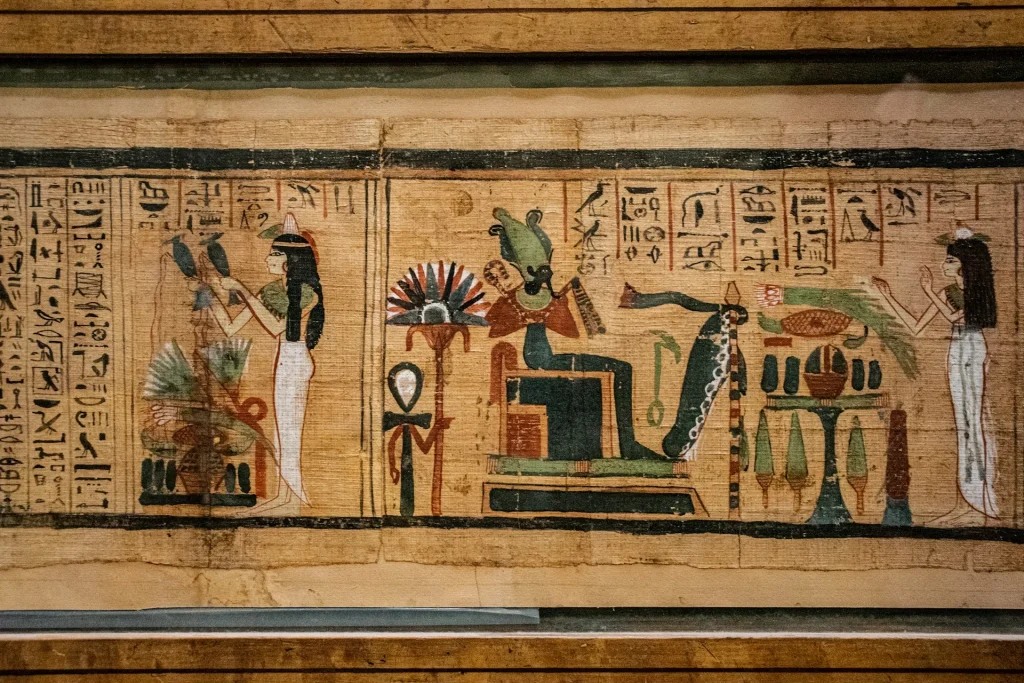
- Hieroglyphs were used for writing and recording events.
- The Valley of the Kings contains tombs of famous rulers like Tutankhamun.
- Alexandria was founded by Alexander the Great and became a center of learning.
Islamic And Modern Eras
After ancient times, Misr became part of the Roman Empire, then the Byzantine Empire, and later the Arab Muslim world. The country flourished under Muslim rule, with Cairo becoming a leading city.
In the 19th century, Misr modernized under leaders like Muhammad Ali. The Suez Canal opened in 1869, connecting the Mediterranean and Red Sea, changing world trade.
Misr became independent from British rule in 1952. Modern Egypt has seen many changes, including revolutions, wars, and peace treaties.
Historical Data Overview
Here’s a timeline of major periods:
| Era | Main Events | Years |
|---|---|---|
| Ancient Egypt | Pyramids, Pharaohs, Hieroglyphs | 3100 BC – 332 BC |
| Greco-Roman | Alexander, Ptolemaic Dynasty, Roman rule | 332 BC – 642 AD |
| Islamic Egypt | Arab conquest, Islamic architecture | 642 AD – 1517 AD |
| Ottoman & Modern | Ottoman rule, Muhammad Ali, Suez Canal | 1517 AD – 1952 AD |
| Republic of Egypt | Independence, revolutions, peace treaties | 1952 AD – present |
Misr’s Culture: Traditions And Modern Life
Egyptian culture is a mix of ancient heritage and Islamic traditions, shaped by the Nile and the desert. People in Misr are known for their hospitality, strong family bonds, and lively celebrations.
Language
The official language is Arabic, but Egyptians speak their own dialect, called Egyptian Arabic. Many people also understand English or French, especially in cities.
Religion
Most Egyptians are Muslim (about 90%), mainly Sunni. There is a Christian minority, the Copts, who have deep roots in the country.
Festivals And Food
Misr has many festivals, both religious and cultural. Some examples:
- Ramadan: A month of fasting and family gatherings.
- Eid al-Fitr: Celebrated at the end of Ramadan.
- Coptic Christmas: Celebrated by Christians in January.
Egyptian food is simple but tasty. Popular dishes include:
- Ful medames: Cooked fava beans, eaten for breakfast.
- Koshari: A mix of rice, lentils, pasta, and tomato sauce.
- Molokhia: Green soup made from leafy vegetables.
- Taameya: Egyptian falafel, made from fava beans.
Arts And Music
Egypt is famous for its music, movies, and literature. Classic singers like Umm Kulthum and modern pop stars are loved across the Arab world. Egyptian cinema is one of the oldest in the region.
Family And Social Life
Families are usually large, with strong ties. Weddings, birthdays, and other events are celebrated with music and food. Hospitality is important; guests are welcomed with tea and sweets.
Non-obvious Cultural Insights
- Coffeehouses (ahwa) are places where men gather to play games, talk, and watch soccer. This is a central part of social life, especially in Cairo.
- Street vendors play a big role in daily life. From selling snacks to small goods, they shape the city’s rhythm and offer affordable options for locals.
The Economy Of Misr: Growth And Challenges
Misr’s economy is diverse, but faces challenges. It is the third largest in Africa, with a GDP of about $400 billion. The country relies on agriculture, tourism, industry, and services.
Agriculture
The Nile Valley is fertile and produces wheat, rice, cotton, and vegetables. Agriculture employs many people, especially in rural areas.
Tourism
Tourism is a major source of income. Millions visit Egypt’s pyramids, temples, and beaches each year. The sector was hit by political instability and the pandemic, but is recovering.
Industry And Trade
Misr has factories producing textiles, cement, and electronics. The Suez Canal is vital for global shipping, earning billions in transit fees.
Key Economic Data
Let’s compare Egypt’s economy with regional peers:
| Country | GDP (USD) | Main Industries | Unemployment Rate |
|---|---|---|---|
| Egypt (Misr) | $400 billion | Agriculture, Tourism, Industry | ~8% |
| Turkey | $900 billion | Manufacturing, Services | ~10% |
| Saudi Arabia | $840 billion | Oil, Petrochemicals | ~7% |
| Morocco | $130 billion | Agriculture, Mining | ~12% |
Recent Developments
Misr is investing in new cities like the New Administrative Capital, aiming to ease congestion in Cairo and modernize infrastructure. The government is working to attract foreign investment and improve education.
Common Economic Mistakes
- Many visitors think tourism is Egypt’s only economic sector. In reality, agriculture and industry are equally important.
- Some assume Egypt is poor everywhere. While there are areas of poverty, cities like Cairo and Alexandria have modern malls, hotels, and tech startups.
Politics And Government In Misr
Misr is a republic, with a president as head of state. The political system has changed over the years, reflecting revolutions and reforms.
Structure Of Government
- President: Holds executive power; currently Abdel Fattah El-Sisi.
- Parliament: Makes laws; includes two chambers.
- Prime Minister: Heads the government.
- Judiciary: Courts ensure justice and resolve disputes.
Political History
Misr was ruled by kings until 1952, when a revolution created a republic. Since then, it has seen periods of strong leadership, political unrest, and reforms.
International Relations
Misr is a leader in the Arab world and Africa. It has peace treaties with Israel and strong ties with the US, Europe, and Gulf countries.
Recent Political Changes
The 2011 revolution led to a period of instability, but the country has since returned to order. Elections are held regularly, though there are debates about democracy and freedom.
Non-obvious Political Insights
- Egypt’s military has a strong influence in politics and the economy. Many top officials come from military backgrounds.
- The youth population is growing, creating pressure for reforms in education, jobs, and political participation.
Education And Science In Misr
Education is highly valued in Misr. There are public and private schools, as well as famous universities.
School System
- Primary and Secondary: Free for all Egyptians, but quality varies.
- Universities: The University of Cairo and Ain Shams University are among the oldest and largest.
Science And Innovation
Egypt has a history of scientific achievement. Today, research focuses on medicine, engineering, and agriculture.
Challenges
- Crowded classrooms
- Need for modern teaching methods
- Gaps between rural and urban schools
Noteworthy Achievements
- Egyptian scientists contributed to the discovery of vaccines and new farming methods.
- The country has launched satellites for communication and research.
Modern Life In Misr
Life in Misr is diverse. City dwellers enjoy modern amenities, while rural areas keep traditional ways.
Urban Life
Cities like Cairo are busy, with traffic, shops, and nightlife. People use smartphones and social media. Malls, cafes, and cinemas are popular.
Rural Life
Villages along the Nile are quieter. People farm, fish, and live in close-knit communities. Daily life follows the river’s rhythm.
Transportation
Misr has buses, trains, metros, and taxis. The Cairo Metro is Africa’s oldest and busiest. Roads can be crowded, but new projects aim to improve travel.
Healthcare
Public hospitals are free, but private clinics offer better services. Misr has a growing medical tourism sector, attracting visitors for affordable treatments.
Sports And Recreation
Soccer is the most popular sport. Egypt’s national team has won the African Cup of Nations several times. People also enjoy swimming, running, and traditional games.
Digital Life
Internet use is rising, with over 50 million users. Young people use apps for shopping, learning, and entertainment.
Non-obvious Modern Insights
- Women’s roles are changing. More women are joining universities and the workforce, especially in urban areas.
- Entrepreneurship is growing. Many young Egyptians are starting businesses in tech, food, and fashion.
Tourism: Exploring Misr’s Wonders
Misr is a top destination for travelers. From ancient sites to modern resorts, there is something for everyone.
Key Tourist Attractions
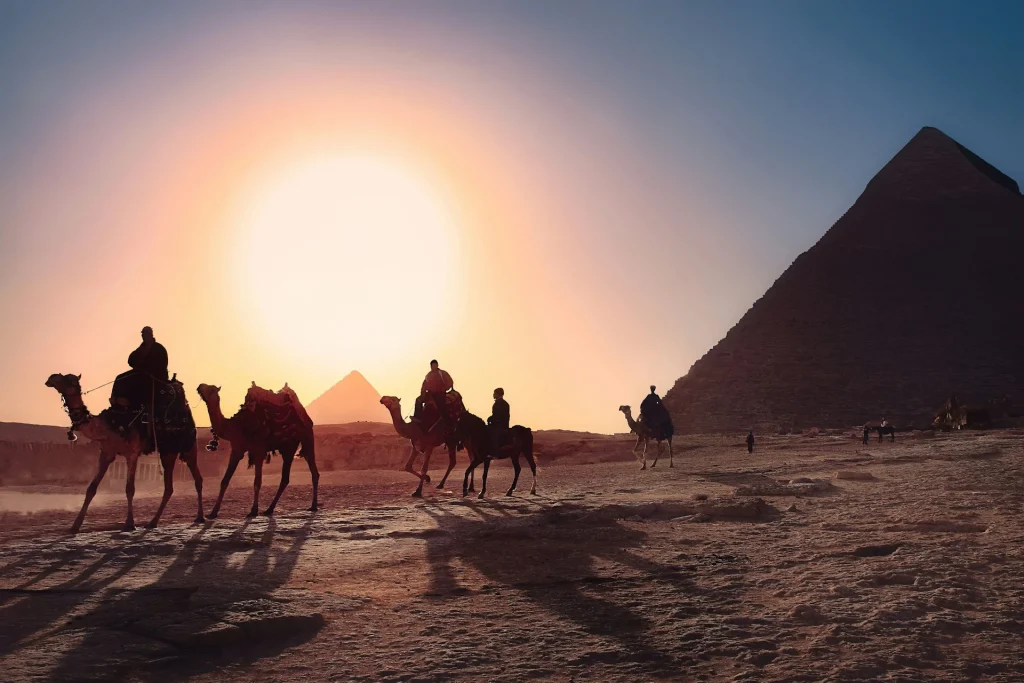
- Pyramids of Giza: Last surviving wonder of the ancient world.
- Egyptian Museum: Home to treasures of Tutankhamun.
- Luxor and Karnak Temples: Huge ancient monuments.
- Abu Simbel: Temples carved into rock in southern Egypt.
- Red Sea Resorts: Sharm El Sheikh, Hurghada for diving and beaches.
Safety And Travel Tips
- Check visa requirements before arrival.
- Use registered taxis and guides.
- Dress modestly, especially in rural areas.
- Bargain in markets, but politely.
Common Tourism Mistakes
- Many tourists rush through Cairo and miss places like Siwa Oasis or Nubian villages.
- Some think Egypt is always hot. Winters can be cool, especially in the desert.
Environment And Sustainability In Misr
Misr faces challenges like water scarcity, pollution, and urban sprawl. The government is working to improve conditions.
Water
The Nile is vital, but climate change and population growth threaten supplies. New dams and water-saving projects are underway.
Pollution
Air and water pollution are issues in cities. Clean energy is being promoted, with solar and wind projects.
Wildlife
Misr has unique wildlife, including birds, desert foxes, and Nile crocodiles. Protected areas help conserve nature.
Sustainability Efforts
- Recycling programs in cities
- Green building projects
- Education on environmental issues
Misr Country Today: Challenges And Opportunities
Misr is a country of contrasts—ancient and modern, rich and poor, urban and rural. It faces challenges like population growth, unemployment, and environmental issues. But it also has opportunities: young people, new industries, and a culture of resilience.
Egyptians are proud of their heritage and hopeful for the future. The country is open to visitors, investors, and students. Learning about Misr helps you understand a key part of the world.
For more in-depth data and history, visit Wikipedia.
Related: Want more holiday ideas from the UAE? See our Armenia tour packages, Uzbekistan tour packages from Dubai, or a relaxing Sri Lanka tour package with Tabby.
Frequently Asked Questions
What Does “misr” Mean?
“Misr” is the Arabic name for Egypt. It is used in official documents, daily speech, and literature. The word comes from ancient languages and means “city” or “civilization. ”
Is Egypt Safe For Tourists?
Most tourist areas in Egypt are safe, especially cities and resorts. It is wise to follow local advice, avoid risky areas, and use official guides and taxis.
What Are The Main Religions In Misr?
The majority of Egyptians are Muslim (about 90%), mostly Sunni. There is a significant Christian minority known as the Copts.
How Can I Travel Around Misr?
Egypt has buses, trains, taxis, and metros. In cities, the Cairo Metro is fast and cheap. For long distances, trains and buses are best. Domestic flights connect major cities.
What Is The Best Time To Visit Misr?
The best time to visit is between October and April, when the weather is cooler. Summers can be very hot, especially in the desert and southern areas.
Misr is a country of depth and diversity. Whether you’re interested in history, culture, business, or travel, Egypt offers endless stories and opportunities.
Enjoying our content? Make us a preferred source on Google.
Add us as a Preferred Source on Google