
Table of Contents
Ras Al Khor Wildlife Sanctuary: Dubai’s Hidden Oasis
Nestled in the heart of Dubai, between the city’s busy highways and dazzling skyscrapers, lies a surprising natural treasure: Ras Al Khor Wildlife Sanctuary. While Dubai is famous for luxury, shopping, and futuristic architecture, few visitors realize that the city also protects a thriving wetland ecosystem. This sanctuary is not just a peaceful escape for locals and tourists, but also a vital home for thousands of migratory birds, rare plants, and unique wildlife. If you’re curious about nature’s role in Dubai’s urban landscape, Ras Al Khor offers an experience that combines education, relaxation, and environmental wonder.
What Makes Ras Al Khor Special
The sanctuary covers about 6.2 square kilometers and sits at the mouth of Dubai Creek. Its Arabic name, “Ras Al Khor,” means “Cape of the Creek.” Unlike typical parks, Ras Al Khor is a protected wetland recognized by international organizations such as Ramsar. This means the area is carefully managed to protect its delicate environment.
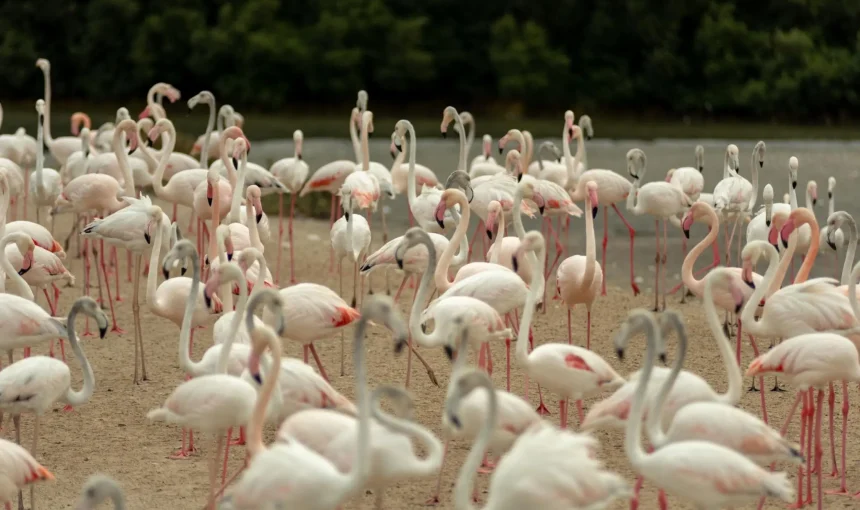
One of the most famous features is the massive population of flamingos. Each winter, over 20,000 birds, including more than 4,000 greater flamingos, gather here. The sanctuary also hosts over 450 species of wildlife and plants, making it one of the most biodiverse places in the UAE.
History And Conservation
Ras Al Khor’s story goes back to the early days of Dubai’s growth. As the city expanded, local authorities realized that the wetlands were disappearing. In 1998, Dubai Municipality officially set aside the area as a sanctuary. Later, in 2003, Ras Al Khor was opened to the public, welcoming visitors to observe birds and learn about conservation.
This decision was crucial. Wetlands like Ras Al Khor filter water, store carbon, and provide breeding grounds for fish and birds. In 2015, the sanctuary was listed as a Ramsar site, meaning it’s internationally recognized for its ecological importance.
Credit: en.wikipedia.org
Habitat Zones
The sanctuary features several distinct habitats, each supporting different wildlife:
- Mudflats: These flat, muddy areas are rich in nutrients. Crabs, mollusks, and insects live here, providing food for birds.
- Mangroves: The mangrove forests help stabilize the shoreline and attract fish, turtles, and birds.
- Salt Marshes: These salty, grassy zones support rare plants and insects.
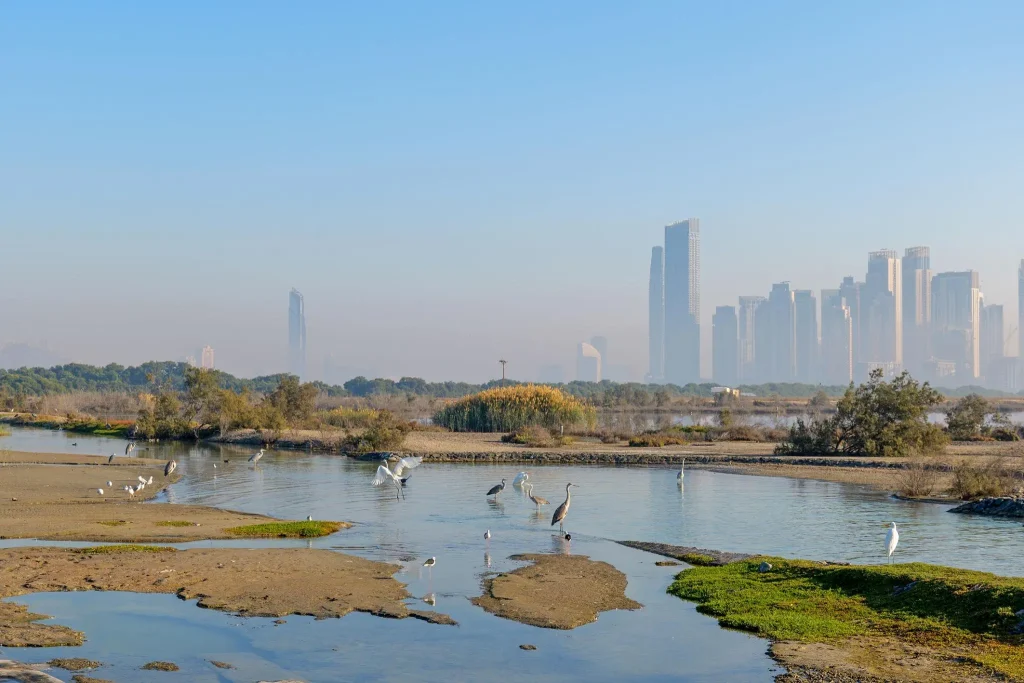
- Lagoons and Ponds: Shallow waters are perfect for flamingos, herons, and other wading birds.
These habitats are carefully monitored to maintain their balance, especially during migration seasons.
Birds Of Ras Al Khor
Perhaps the sanctuary’s biggest attraction is its birdlife. While flamingos get most attention, Ras Al Khor is a hotspot for birdwatchers and nature photographers.
| Bird Species | Estimated Population | Best Viewing Months | Unique Features |
|---|---|---|---|
| Greater Flamingo | 4,000+ | Nov–March | Bright pink color, large flocks |
| Black-winged Stilt | 500+ | Year-round | Long red legs, striking black/white plumage |
| Grey Heron | 300+ | Winter | Large body, slow movement |
| Western Marsh Harrier | 100+ | Nov–Feb | Raptor, soaring flight |
| Little Egret | 250+ | Year-round | Elegant white feathers |
These numbers vary each year. Some birds, like the Western Marsh Harrier, only appear during migration, while others, such as the Little Egret, stay all year.
Mammals, Reptiles, And Other Wildlife
Birds are not the only residents. Ras Al Khor also shelters rare mammals, reptiles, and insects. You might spot red foxes, Arabian sand geckos, and even freshwater turtles near the ponds. The mudflats and marshes teem with crabs, mollusks, and tiny fish. These creatures form the base of the sanctuary’s food chain.
Interestingly, the sanctuary is one of the few places in Dubai where wild mammals live naturally. Researchers often visit to study how urban wildlife adapts to city life.
Plant Life And Vegetation
Plants play a vital role in Ras Al Khor’s ecosystem. The sanctuary’s salt marshes and mudflats are covered with halophytes, which are salt-tolerant plants. Mangroves, especially the Avicennia marina species, line the edges of the creek and help prevent erosion.
Some of the most common plant species include:
- Salicornia europaea: A succulent found in salt marshes.
- Suaeda vermiculata: Salt-tolerant shrub, grows in clumps.
- Cressa cretica: Provides cover for insects and small animals.

These plants are not just beautiful; they filter pollutants from water and create a safe environment for birds to nest.
Visitor Experience
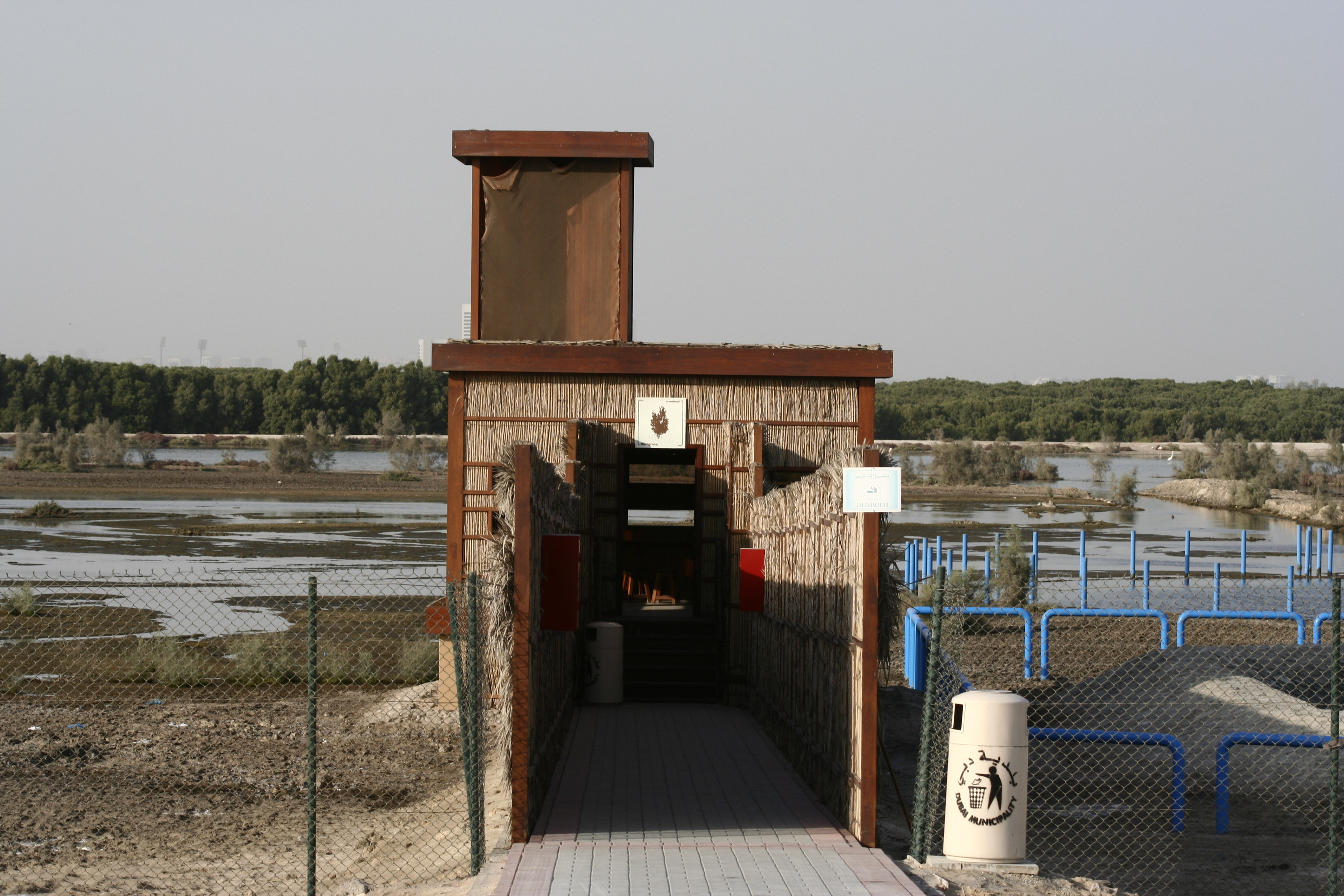
Ras Al Khor is open to the public, but it’s managed carefully to protect the wildlife. There are three main bird hides—small cabins with viewing windows—located around the sanctuary. Visitors can watch the flamingos and other birds without disturbing them.
Main Bird Hides
- Mangrove Hide: Offers a close view of the mangrove area and lagoon. Best for spotting herons and kingfishers.
- Flamingo Hide: Perfect for watching large flocks of flamingos. Binoculars are available for free.
- Salt Marsh Hide: Overlooks the salt marshes, great for seeing smaller birds and insects.
Each hide has educational displays, posters, and friendly staff who answer questions. There is no entry fee, making the sanctuary accessible to everyone.
Facilities And Accessibility
- Parking: Free parking is available outside each hide.
- Accessibility: Paths are wheelchair-friendly, and hides have ramps.
- Guided Tours: Occasionally, Dubai Municipality organizes free guided walks for schools and groups.
The sanctuary is open from 7:30 AM to 5:30 PM in winter, and 6:30 AM to 6:30 PM in summer. Early mornings are best for birdwatching, as birds are more active and the light is good for photos.
Educational Programs And Research
Ras Al Khor is not just a tourist spot; it’s a hub for environmental education. Schools often bring students to learn about biodiversity, migration, and conservation. Workshops, talks, and activities are held throughout the year. Some programs teach kids how to identify birds and understand the importance of wetlands.
Researchers from local universities and international groups regularly study the sanctuary’s wildlife. Their work helps Dubai Municipality manage the area, track migratory patterns, and monitor water quality.
A non-obvious insight: The sanctuary’s data is used to guide city planning. For example, Dubai’s construction projects must avoid disturbing the sanctuary’s boundaries during sensitive migration seasons.

How Ras Al Khor Fits Into Dubai’s Urban Landscape
Dubai is known for rapid development, but Ras Al Khor shows that nature can survive—even thrive—in a modern city. The sanctuary acts as a “green lung,” filtering air and water, cooling the area, and providing a peaceful retreat. Its location near major roads makes it easy to visit, but also brings challenges like noise and pollution.
Dubai Municipality uses advanced management techniques to protect the sanctuary. For instance, artificial islands and barriers have been built to create safe nesting zones for birds. The city also monitors water quality to keep the wetlands healthy.
A less obvious point: The sanctuary is part of Dubai’s wider sustainability strategy. It helps the city meet international environmental goals, such as the UN’s Sustainable Development Goals.
Comparing Ras Al Khor To Other Wildlife Sanctuaries
To understand Ras Al Khor’s importance, let’s compare it to other famous sanctuaries in the region.
| Sanctuary | Location | Size (sq km) | Main Attraction | Unique Feature |
|---|---|---|---|---|
| Ras Al Khor | Dubai, UAE | 6.2 | Flamingos | Urban wetland, free access |
| Al Wathba Wetland | Abu Dhabi, UAE | 5 | Flamingos, reptiles | Artificially restored wetlands |
| Sir Bani Yas Island | Abu Dhabi, UAE | 87 | Gazelles, cheetahs | Island habitat, safari tours |
| Jebel Ali Wildlife Sanctuary | Dubai, UAE | 2 | Mangroves, birds | Small, coastal mangrove zone |
Ras Al Khor stands out because it’s located within a major city, offers free access, and hosts large flamingo populations. Unlike Sir Bani Yas, which is mainly a safari destination, Ras Al Khor focuses on wetland conservation.
Flamingo Migration And Breeding
One of the sanctuary’s most amazing events is the flamingo migration. Every winter, greater flamingos arrive from places as far as Iran, Central Asia, and Eastern Europe. They stay from November to March, feeding on algae and small crustaceans in the lagoons.
Flamingos breed in Ras Al Khor, though not every year. Their nests are simple mud mounds built in shallow water. Breeding depends on water levels, food supply, and disturbance. If conditions are right, dozens of chicks hatch, adding to the sanctuary’s population.
A practical tip: If you want to see flamingos up close, visit in late winter, when flocks are largest and breeding activity peaks.
How To Get There

Reaching Ras Al Khor is easy, whether you live in Dubai or are visiting. The sanctuary sits next to the major highways—Sheikh Mohammed bin Zayed Road and Ras Al Khor Road.
- By Car: Take exit signs for Ras Al Khor Wildlife Sanctuary. Parking is free and close to the bird hides.
- By Taxi: Most drivers know the location; just ask for “Ras Al Khor Wildlife Sanctuary.”
- By Bus: Take bus route 53 or C7, then walk about 10 minutes.
There’s no public metro station nearby, but taxis from Downtown Dubai take only 15–20 minutes.
Rules And Etiquette For Visitors
To keep the sanctuary safe, visitors must follow a few simple rules:
- Stay in the hides: Don’t walk into the wetland areas.
- Keep noise low: Loud sounds scare birds, especially during breeding.
- No feeding: Human food can harm wildlife.
- No littering: Take all trash with you.
- Photography: Cameras are allowed, but flash is not.
Following these rules helps protect the sanctuary and ensures that birds are not disturbed.
The Role Of Technology In Conservation
Ras Al Khor uses modern tools to manage its environment. Surveillance cameras track bird numbers and behavior. Water sensors monitor quality and detect pollution. Drones are sometimes used to map vegetation and count nests.
A non-obvious insight: Local authorities use satellite images to detect illegal dumping or construction near the sanctuary. This helps them act quickly if the area is threatened.

Community Engagement
The sanctuary is a model for community involvement. Local volunteers help clean up trash, guide visitors, and run educational events. Businesses sometimes sponsor conservation projects, such as planting mangroves or building new bird hides.
Dubai Municipality encourages residents to join “Citizen Science” programs, where people record bird sightings and upload photos. This data helps researchers track changes in wildlife populations.
Challenges Facing Ras Al Khor
Despite its success, Ras Al Khor faces challenges:
- Urban encroachment: New construction projects can threaten the sanctuary’s boundaries.
- Pollution: Runoff from roads sometimes affects water quality.
- Disturbance: Increased visitor numbers may disturb birds, especially during breeding.
To address these issues, the city has strict rules about land use and pollution. Regular monitoring ensures that any problems are fixed quickly.
A practical advisor tip: If you notice pollution or damage during your visit, report it to staff immediately. Early action helps protect the sanctuary.
Future Plans And Sustainability
Dubai is committed to keeping Ras Al Khor healthy. Plans include expanding the sanctuary, restoring damaged habitats, and adding more educational programs. There is talk of creating a “wetland corridor” linking Ras Al Khor with other green spaces in the city.
Sustainability is a key focus. The sanctuary uses solar-powered lights, recycled materials in bird hides, and eco-friendly signage. Local schools and groups are involved in planting new mangroves and monitoring wildlife.
For more details about Dubai’s official conservation strategy, see Dubai Municipality.
Frequently Asked Questions
Is Ras Al Khor Wildlife Sanctuary Free To Visit?
Yes, entry is completely free. The sanctuary is open to the public and funded by Dubai Municipality.
When Is The Best Time To See Flamingos?
The best months are November to March. Flamingos gather in large flocks during winter migration.
Are There Any Guided Tours Available?
Occasionally, yes. Dubai Municipality organizes free guided walks, especially for schools and groups. Check their website or call ahead to book.
Can I Bring Children To The Sanctuary?
Absolutely. The bird hides and paths are safe for kids. Educational displays make it a fun learning experience.
What Should I Bring For My Visit?
Bring binoculars, a camera (no flash), water, and sunscreen. Dress comfortably, and remember not to bring food for the birds.
Final Thoughts
Ras Al Khor Wildlife Sanctuary is more than just a quiet spot in Dubai—it’s a symbol of the city’s commitment to nature and sustainability. It offers a rare chance to see thousands of birds, unique plants, and wild animals, all within a modern urban setting.
Whether you’re a birdwatcher, a student, or just looking for a peaceful walk, the sanctuary promises something special. Its careful management and welcoming spirit make it a model for wildlife conservation in cities worldwide. If you’re in Dubai, don’t miss this hidden oasis—your visit helps support its future, and you’ll leave with a deeper respect for the natural world.
Enjoying our content? Make us a preferred source on Google.
Add us as a Preferred Source on Google


