
Weather in Dubai 10 days | Weather Forecast
At White Sky Travel, we monitor Dubai weather year-round to help our clients plan the perfect trip. Dubai sits at 25.2°N latitude on the southern coast of the Arabian Gulf, giving it one of the most predictable desert climates on earth. In our experience booking thousands of Dubai trips, the single biggest factor that shapes what visitors enjoy — or struggle with — is simply timing their arrival around the season.
The live 10-day forecast above pulls real-time data from Open-Meteo, an open-source weather service aggregating models from NOAA, ECMWF, and the German Weather Service (DWD). It updates every hour, so the temperatures, precipitation probability, and UV readings you see reflect current conditions — not cached data from yesterday.
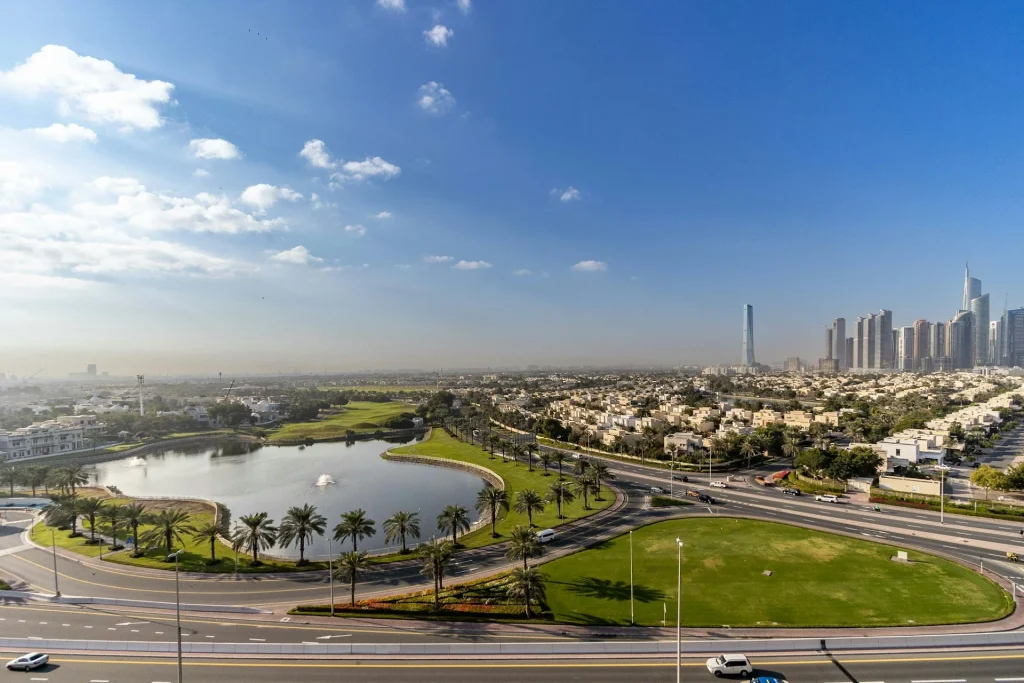
Dubai Weather by Season — Our Travel Guide
Winter (November – March) is peak season, and for good reason. Daytime temperatures sit between 18°C and 28°C with low humidity, sunny skies, and almost zero precipitation. This is the window we recommend to most of our clients — the weather is comfortable enough for outdoor attractions, desert safaris, and beach days. Events like the Dubai Shopping Festival (January–February) and the Abu Dhabi Grand Prix add further incentive.
Spring (April – May) brings a rapid temperature climb from around 28°C up to 38°C. Precipitation remains very low, but occasional sandstorms — known locally as shamal — can reduce visibility and make outdoor time uncomfortable. We find April still pleasant for sightseeing, but mid-May onwards most visitors prefer air-conditioned indoor attractions.
Summer (June – September) is intense. Daytime highs regularly exceed 42°C, and coastal humidity pushes the feels-like temperature well above 50°C during afternoon hours. Precipitation is essentially zero. Hotels offer steep discounts, and Dubai’s world-class indoor venues — the Dubai Mall, IMG Worlds of Adventure, Ski Dubai — are excellent value. In our experience, clients who visit in summer enjoy the savings and the uncrowded atmosphere, especially for evening beach visits after 8 PM when temperatures ease.
Autumn (October) is a transition month our team often recommends to budget-conscious travellers. Temperatures ease toward 30–35°C, sea temperatures are warm for water activities, and flights and hotels are still at shoulder-season prices before peak-season demand kicks in from November.
Weather Dubai is typically sunny throughout the year, with cooler and more comfortable temperatures from November to March, making it the best time for sightseeing, outdoor activities, and beach vacations.
What to Wear in Dubai — Packing Based on the Forecast
We always advise our clients to check the 10-day precipitation forecast before packing. For Dubai, the practical guidance is straightforward.
If the forecast shows temperatures below 28°C with sunny conditions: a light jacket or cardigan for evenings, comfortable walking shoes, and one extra layer for heavily air-conditioned malls and restaurants. Indoor temperatures in Dubai are set extremely cold year-round regardless of outside conditions.
If the forecast shows temperatures between 28°C and 37°C: light breathable fabrics, SPF 50+ sunscreen, sunglasses, and a hat for any outdoor time. Carry a refillable water bottle — even on partly cloudy days, dehydration happens quickly in dry desert heat when precipitation is absent and humidity is low.
If the forecast shows temperatures above 38°C: schedule outdoor sightseeing for early morning before 10 AM or after sunset. The Burj Khalifa observation deck, Dubai Aquarium, Museum of the Future, and Dubai Frame are all excellent midday alternatives.

Understanding Dubai’s UV Index and Sunshine Hours
Dubai receives over 3,500 sunshine hours per year — one of the highest totals of any major city globally. Even in winter, sunny skies are the default and precipitation is rare. In summer, the UV index reaches 11–12 (Extreme); in winter it remains at 7–9 (Very High). At UV 11, unprotected skin can burn in under 10 minutes at midday.
We include the daily maximum UV index in our forecast widget above for this exact reason — a sunny day in Dubai in November still carries Very High UV, which surprises many visitors from temperate climates who associate warm sunshine with moderate UV. Apply SPF 50 daily regardless of whether the forecast shows sunny or partly cloudy conditions.
Dubai Precipitation — How Rare Is Rain?
Dubai averages just 75–100mm of annual precipitation — less than London receives in a single average month. When rainfall does occur, it is usually brief and concentrated between December and February. Our team has operated Dubai tours for years and a cancelled outdoor excursion due to rain is genuinely rare.
When precipitation does fall, it can be heavy and sudden — Dubai’s drainage infrastructure has historically struggled with intense short-duration rainfall events, as seen during unusual weather episodes in recent years. Our forecast widget shows daily precipitation probability so you can plan accordingly on the rare days when showers are forecast.
Book Your Dubai Trip Around the Weather with White Sky Travel
We are White Sky Travel & Tourism LLC, a DED-licensed travel agency based in Dubai Investment Park 1. Our team books Dubai trips every day of the year, and we use our local knowledge to match your travel dates to the best season for your itinerary — whether that is outdoor desert experiences, beach time, or indoor attractions during summer.
We handle everything: UAE tourist visas, flight bookings, hotel reservations, Dubai tour packages, airport transfers, and travel insurance. Our team is available 7 days a week from 8 AM to 8 PM, with 24/7 WhatsApp support on +971 42 202 133. All bookings can be paid in flexible monthly instalments via Tabby, Tamara, or UAE credit card.
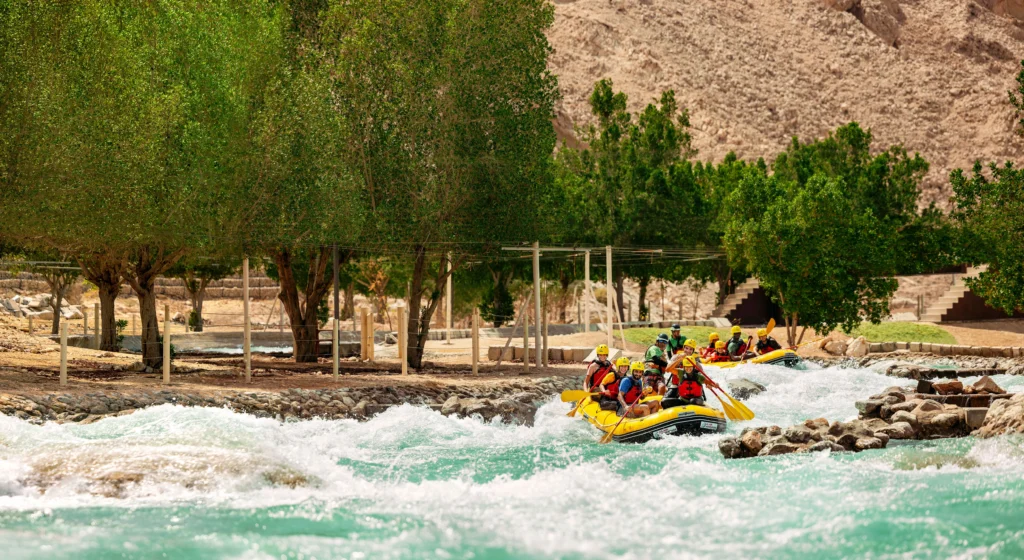
Plan around the weather with the sunset time in Dubai today and tomorrow, the daily sunrise and sunset time, or the best places to watch sunrise in Dubai.
Weather in Dubai 10 Days — Frequently Asked Questions
What is the weather in Dubai today?
The live widget at the top of this page shows today’s current temperature, sky conditions, humidity, wind speed, and feels-like temperature — updated every hour. Dubai is typically sunny and clear on any given day, with temperatures varying from around 20°C in January to 43°C in August.
What is the best time to visit Dubai?
November to March is the most popular and comfortable window, with temperatures between 18°C and 28°C. October and April are excellent shoulder months — slightly warmer but significantly quieter and better value on hotels and flights. Summer (June–September) suits budget travellers who prefer indoor attractions.
Does it rain in Dubai?
Rarely. Dubai averages just 75–100mm of rainfall per year — less than London receives in a single average month. When rain does fall it is usually brief, occurring mostly between December and February.
How hot does Dubai get in summer?
June to September sees daytime highs of 40–45°C with high coastal humidity, pushing the real-feel temperature above 50°C during afternoon hours. Nights cool slightly to around 30–32°C. The city is fully functional in summer — everything simply moves indoors or outdoors after dark.
Is Dubai suitable for a family holiday?
Absolutely. Dubai ranks among the most family-friendly destinations in the world with attractions including Dubai Safari Park, Legoland, Motiongate, Miracle Garden, the Dubai Aquarium, and Ski Dubai. October to April is the best season for families — outdoor parks and beach time are comfortable for children throughout this period.
What is the humidity like in Dubai?
Humidity in Dubai is lowest in winter (20–40%) and highest in summer (60–90% near the coast). The combination of extreme heat and high humidity in July and August is what makes the feels-like temperature so much higher than the actual air temperature shown on the thermometer. How accurate is this Dubai weather forecast?
Weather Dubai is typically sunny throughout the year, with cooler and more comfortable temperatures from November to March, making it the best time for sightseeing, outdoor activities, and beach vacations.