Table of Contents
Bedouin Oasis Camp: A Unique Desert Experience
Imagine a night under a sky full of stars, sitting by a warm fire, and listening to ancient stories from people whose ancestors have crossed deserts for centuries. That’s what a visit to a Bedouin Oasis Camp feels like. These camps offer a rare chance to step into the world of the Bedouin, the legendary desert dwellers of the Middle East. Many travelers search for experiences that are both authentic and comfortable. The Bedouin Oasis Camp is one of those rare places where you can enjoy both.
Many people think of the desert as empty and endless. But it is full of life, culture, and history. Bedouin camps let you see the desert in a new way. You don’t just visit; you become part of the story, if only for a night or two.
Let’s take a detailed look at what makes a Bedouin Oasis Camp special, what you can expect, and how you can plan your own adventure.
What Is A Bedouin Oasis Camp?
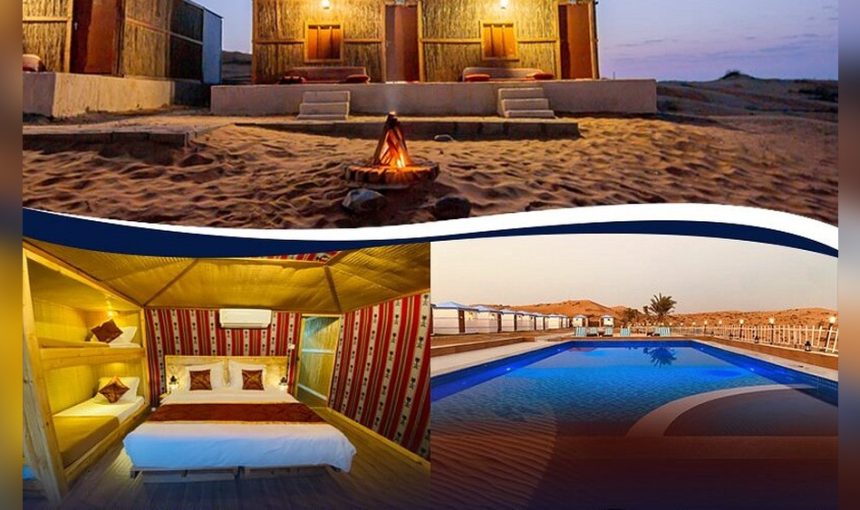
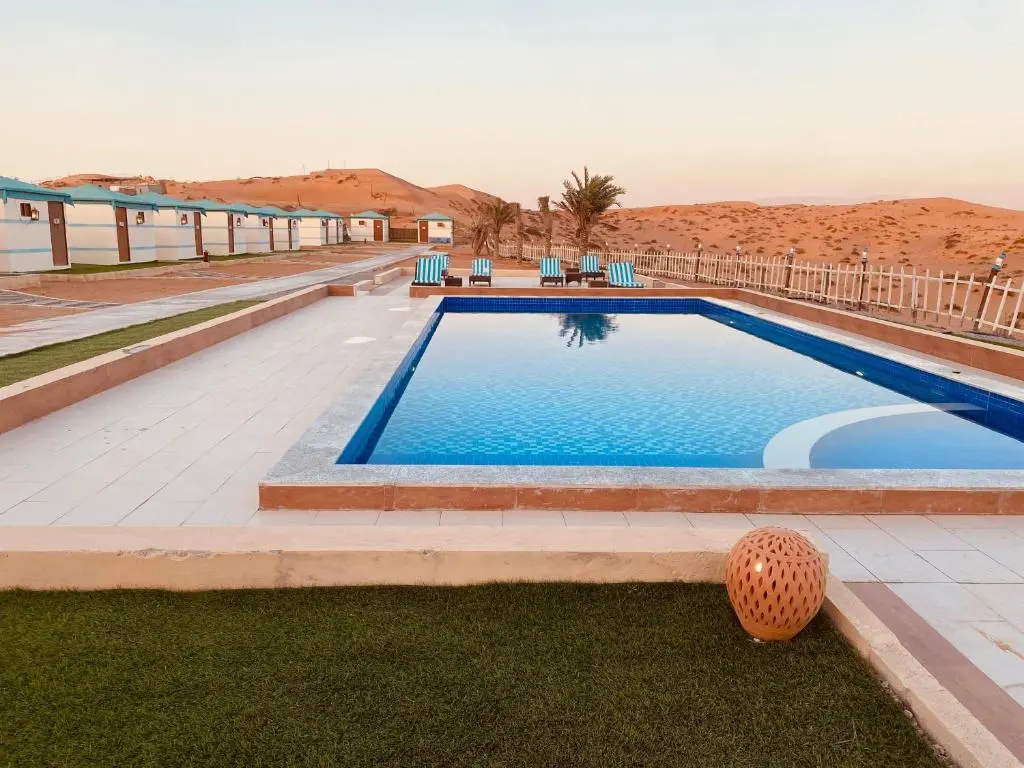
A Bedouin Oasis Camp is a set of traditional tents and structures, usually located in the desert, where visitors can experience Bedouin life. These camps are often built close to natural oases, surrounded by sand dunes, palm trees, and sometimes even springs. The main purpose is to offer a window into Bedouin traditions, hospitality, and the beauty of the desert.
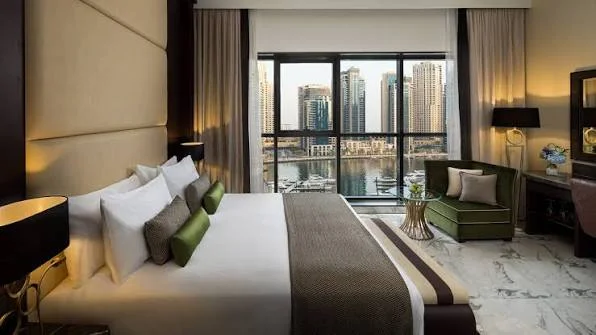
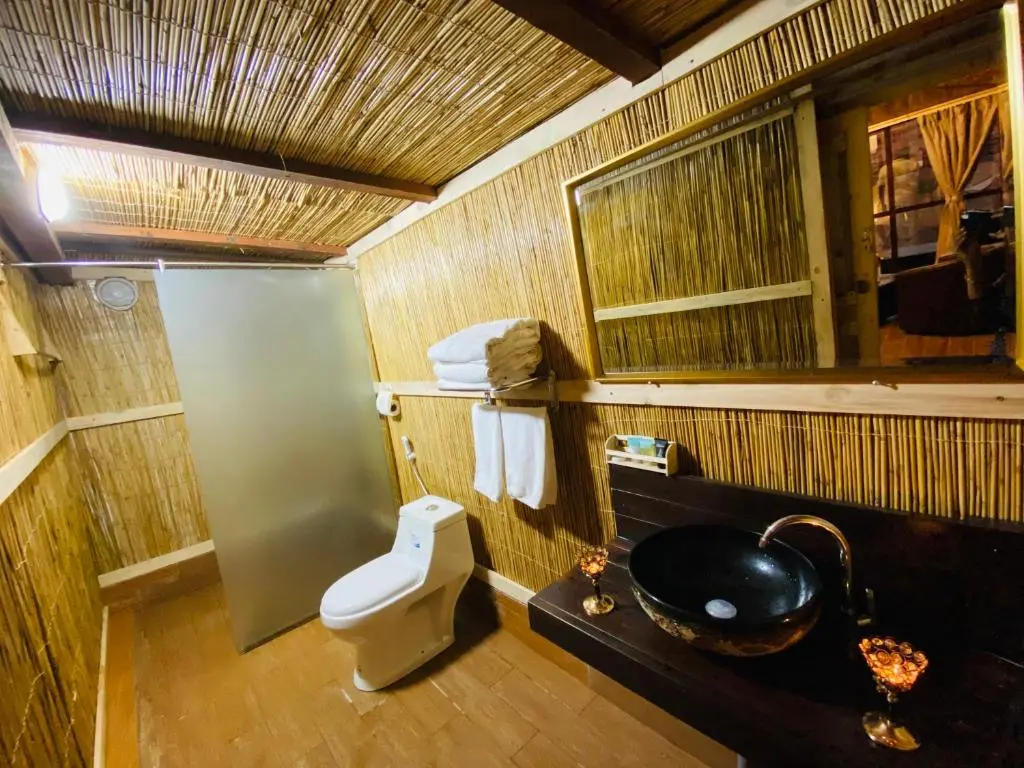
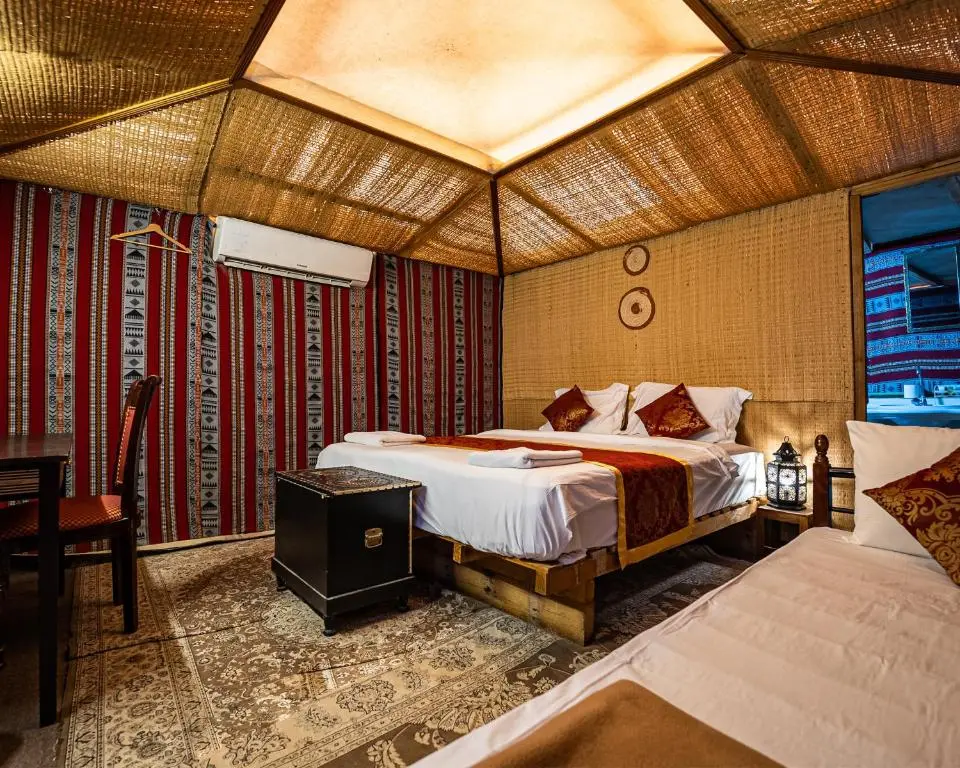
Most camps have a mix of authentic design and modern comforts. You might sleep in a goat-hair tent, but still find clean bathrooms and fresh food. Some are simple, while others are more like luxury resorts, with everything from Wi-Fi to private bathrooms.
Main Features Of Bedouin Oasis Camps
- Traditional Tents: Made from natural materials, such as goat hair or camel wool.
- Campfire Gatherings: Evenings spent around the fire, sharing tea and stories.
- Desert Activities: Camel rides, sandboarding, stargazing, and more.
- Local Food: Meals prepared using ancient recipes and local ingredients.
- Cultural Shows: Music, dance, and sometimes falconry.
These camps are found in countries like the United Arab Emirates, Jordan, Oman, Saudi Arabia, and Egypt. Each region offers a slightly different style, but the focus on hospitality remains the same.
The History And Culture Behind Bedouin Camps
The Bedouin are one of the oldest nomadic groups in the Middle East. For thousands of years, they moved across deserts, following water sources and grazing for their animals. Their lives depended on the land, and their survival skills are legendary.
Bedouin Hospitality
Hospitality is at the heart of Bedouin culture. Guests are treated with great respect. Even strangers in the desert can expect to be welcomed, given food and water, and offered a place to rest. This tradition is still alive in Bedouin camps today.
Why Oases Are Important
An oasis is more than just a water source. It’s a place where life can survive in the desert. For the Bedouin, oases were key to their journeys. Camps are often built near oases, where you can see date palms and sometimes find small gardens.
Storytelling And Music
Oral history is important to the Bedouin. Nights in the camp often include stories, poetry, and music played on traditional instruments. These are not just for entertainment—they pass down the wisdom and values of the tribe.
Types Of Bedouin Oasis Camps
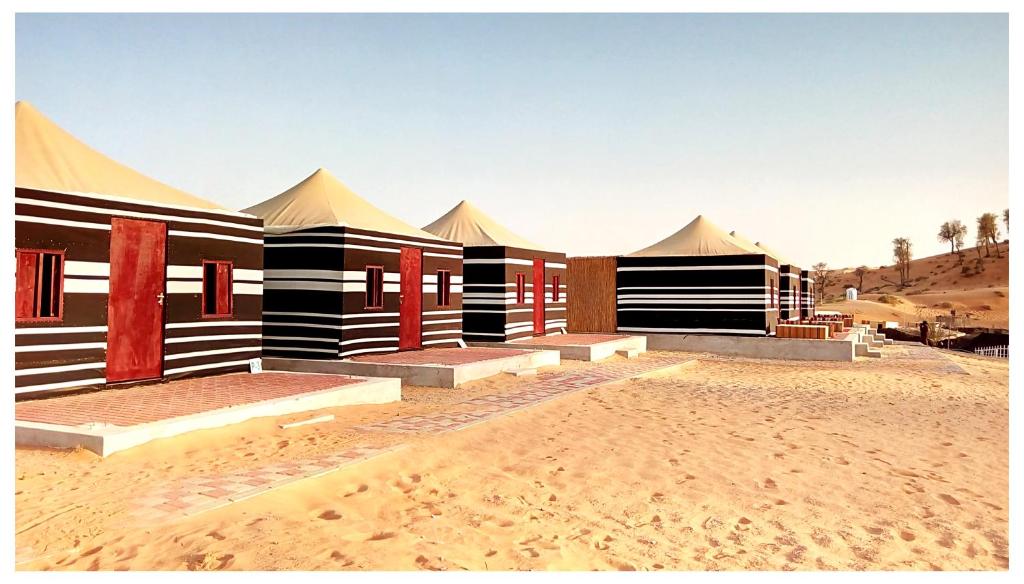
Not all Bedouin camps are the same. Here’s a look at the main types you might find:
| Type | Main Features | Who It Suits |
|---|---|---|
| Traditional Camp | Basic tents, shared bathrooms, local food, campfire | Adventurers, culture seekers |
| Luxury Camp | Private tents, en-suite bathrooms, gourmet meals, AC | Couples, families, comfort lovers |
| Eco Camp | Solar power, zero waste, organic food, eco activities | Eco-conscious travelers |
| Adventure Camp | Focus on activities: dune bashing, quad bikes, trekking | Young travelers, thrill-seekers |
Choosing the right camp depends on your interests, budget, and how much comfort you want.
What To Expect: A Typical Day At A Bedouin Oasis Camp
Your experience will vary by camp, but most offer a mix of relaxation, adventure, and cultural activities. Here’s an example of a typical day:
Morning
- Wake to the sound of birds and the soft light of sunrise over the dunes.
- Enjoy a simple breakfast—maybe fresh flatbread, dates, and strong coffee.
- Early activities: Camel trek, morning walk, or yoga in the sand.
Midday
- Return to the camp as the sun gets hotter.
- Rest in the shade, read, or chat with guides.
- Lunch is often light but tasty—grilled meats, salads, and fresh fruit.
Afternoon
- Try sandboarding down dunes or learn how to bake traditional bread.
- Some camps offer workshops: Weaving, henna art, or coffee making.
Evening
- Sunset is a highlight—watch colors change across the sand.
- Dinner is a social event: Shared dishes, sometimes cooked over the fire.
- After dinner, gather around the campfire for music, dancing, and stories.
- Stargazing is popular—the desert sky is often clear and full of stars.
This rhythm helps you slow down and connect with the environment.
Activities And Experiences
Bedouin Oasis Camps are not just about the tents—they’re about what you can do. Here are some of the top activities:
- Camel Trekking: Ride a camel across the dunes, just like the Bedouin did for centuries. It’s slow, gentle, and gives you a new view of the desert.
- Sandboarding: Slide down tall dunes on a board—a bit like snowboarding but warmer and softer.
- Falconry: See how Bedouins train falcons, a skill passed down through generations. You may get to hold a falcon or watch it hunt.
- Henna Painting: Get a temporary tattoo made from natural henna paste, with designs that tell stories.
- Traditional Cooking: Join in making dishes like mansaf or machboos. Learn how to bake bread in the sand or roast coffee beans over the fire.
- Stargazing: The desert sky is perfect for seeing planets and constellations. Some camps provide telescopes.
- Music and Dance: Watch or join in traditional dances, such as the dabke, and listen to music played on the oud or drums.
- Desert Safari: Go dune bashing in a 4×4 for an adrenaline rush.
- Nature Walks: Explore the plants and animals that survive in this harsh place. Guides share how Bedouins use desert resources.
- Storytelling: Hear tales of survival, love, and war from Bedouin elders. Some camps offer poetry nights.

Many camps let you choose your activities, so you can do as much or as little as you like.
Food And Dining At Bedouin Camps
Food is a big part of the experience. Bedouin cooking uses simple ingredients, but the flavors are rich. Meals are often cooked over open fires or in underground pits.
Typical Dishes
- Mansaf: Rice, lamb, and yogurt sauce, served on a large platter.
- Machboos: Spiced rice with chicken or lamb.
- Grilled Meats: Skewers of lamb or chicken, seasoned with local spices.
- Flatbreads: Made fresh and sometimes baked in the sand.
- Dates and Fruits: Often served as snacks or dessert.
- Herbal Teas and Arabic Coffee: Essential for any meal.
Dining Style
Meals are usually shared, with everyone eating from the same dish. This brings people together and makes for a friendly, relaxed atmosphere.
Special Touches
Some camps arrange “dune dinners,” where tables are set up on the sand, lit by lanterns. Others let you help cook, which is a fun way to learn and connect.
Accommodation And Comfort Levels
Travelers often wonder: How comfortable are these camps? The answer is, it varies.
Traditional Tents
These are often made from woven goat hair, with carpets on the floor and low tables. Beds can range from simple mattresses to proper beds with fresh linen.
Modern Comforts
Many camps now offer:
- Private Bathrooms: Some with hot showers
- Electricity: Usually solar-powered
- Air Conditioning: In luxury camps
- Wi-Fi: Not always, but sometimes available
Comparison Of Accommodation Levels
Here’s a quick look at the range:
| Accommodation Type | Comfort Level | Cost (Approx. per night) | Best For |
|---|---|---|---|
| Basic Tent | Simple, shared bathroom | $40 – $80 | Backpackers, budget travelers |
| Standard Tent | Private tent, shared or private bathroom | $80 – $150 | Couples, small groups |
| Luxury Tent | Private bathroom, AC, luxury bedding | $200 – $500+ | Families, honeymooners |
Most camps try to mix comfort with authenticity, so you get a taste of Bedouin life without giving up too much.
Planning Your Stay: When And How To Go
Best Time To Visit
The desert is hottest from May to September, with temperatures reaching up to 120°F (49°C) in the day. The best months are October to April, when it’s cooler (60–85°F/16–29°C during the day).
Nights can be cold, even in winter, so pack layers.
How To Book
Book your Bedouin Oasis Camp experience with White Sky Travel for the best rates and hassle-free service. Enjoy flexible payment options with Tabby, Tamara, and UAE credit cards, with up to 12 months installment plans available. Contact us today on WhatsApp: +971 4 220 2133 to reserve your unforgettable desert adventure.

What To Pack
- Light, loose clothing for the day
- Warm layers for the night
- Comfortable shoes for walking
- Sunscreen, hat, sunglasses
- Reusable water bottle
- Personal toiletries
Don’t bring too much—space is limited, and you’ll spend most of your time outdoors.
Getting There
Most camps are 1–3 hours from major cities. In the UAE, for example, you can reach camps from Dubai or Abu Dhabi by car or arranged transfer. In Jordan, the famous Wadi Rum camps are a few hours from Amman.
Some camps pick you up from the city, while others require you to drive to a meeting point.
Eco-friendly Camps And Responsible Travel
Deserts are fragile places. Many camps are working to reduce their impact on the environment.
Eco-friendly Features
- Solar power for electricity and hot water
- Recycling and zero waste policies
- Organic, locally sourced food
- Limited use of plastic
- Water-saving toilets and showers
How You Can Help
- Bring your own reusable bottle and bags
- Follow camp rules about waste and water use
- Respect local customs and wildlife
- Avoid picking plants or disturbing animals
Choosing an eco-friendly camp helps protect the desert for future generations.
Bedouin Camps Vs. Other Desert Stays
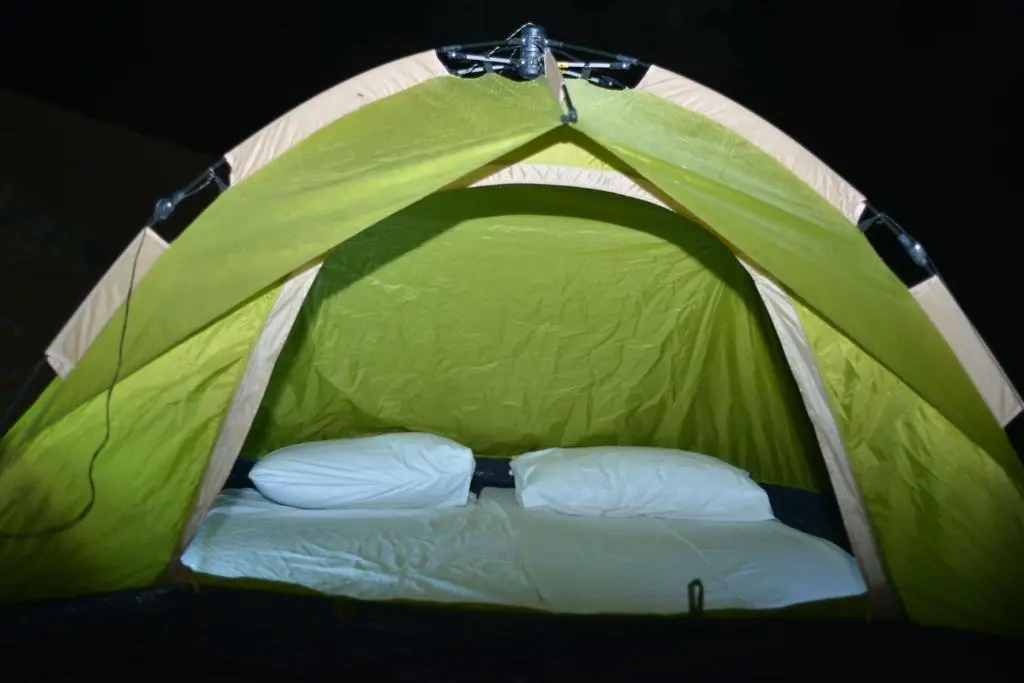
Some travelers confuse Bedouin camps with other desert stays. Here’s a quick comparison:
| Experience | Bedouin Oasis Camp | Desert Resort | DIY Camping |
|---|---|---|---|
| Culture | Authentic, hands-on | Modern, limited Bedouin influence | None unless with local guide |
| Comfort | Varies, often basic to luxury | High, hotel-like | Basic, self-managed |
| Activities | Cultural, outdoor, guided | Spa, pool, general tours | Whatever you plan |
| Cost | Moderate | High | Low to moderate |
If you want a real taste of desert life, a Bedouin camp is the best choice.
Common Mistakes And How To Avoid Them
Many travelers make mistakes when booking or staying at a Bedouin Oasis Camp. Here’s how to avoid the most common ones:
- Underestimating the Weather: Days are hot, nights can be freezing. Bring the right clothing.
- Not Booking Ahead: Popular camps fill up fast, especially in peak season.
- Expecting Luxury Everywhere: Not all camps have hotel-level comfort. Check details before booking.
- Bringing Too Much Luggage: Tents have limited space. Pack light.
- Ignoring Local Customs: Dress modestly and ask before taking photos, especially of people.
- Missing the Activities: Some activities require early sign-up. Plan your day in advance.
- Forgetting Health Needs: Bring any medicine you need, as camps are often far from pharmacies.
- Not Staying Hydrated: The dry desert air can dehydrate you quickly. Drink plenty of water.
And here’s a tip most first-timers miss: Ask your hosts questions. Bedouins are proud of their culture and love to share it. Whether about their food, history, or the stars above, you’ll learn a lot more if you’re curious.
Unique Insights: What Most Guides Don’t Tell You
- Night Sounds: The desert is not silent. At night, you might hear foxes calling, wind in the palms, or even the soft steps of camels. It’s a peaceful but alive soundscape.
- Hidden Wildlife: If you walk at dawn or dusk, you may spot rare desert animals—like the sand gazelle or a scarab beetle rolling its ball.
- Star Navigation: Bedouins once used stars to navigate long before GPS. Ask your guide to show you how to find directions using the stars.
- Local Remedies: Some Bedouins still use desert plants for medicine. You might learn about herbal teas that help with everything from headaches to sore feet.
These details can make your stay even more memorable.
Where To Find The Best Bedouin Oasis Camps
Some of the world’s most famous Bedouin camps are found in:
- Wadi Rum, Jordan: Known for its red sand and dramatic cliffs, it’s a favorite for movie makers and adventurers.
- Liwa Oasis, UAE: Deep in the Empty Quarter, these camps offer huge dunes and real isolation.
- Sharqiya Sands, Oman: Long, rolling dunes and camps with a focus on eco-tourism.
- Sinai, Egypt: Camps by the mountains and the Red Sea, where you can mix desert and beach.
- Al Ula, Saudi Arabia: Close to ancient sites and dramatic rock formations.
If you want to learn more about Bedouin culture and deserts, the Wikipedia entry on Bedouins is a good place to start.
Frequently Asked Questions
What Should I Wear At A Bedouin Oasis Camp?
Wear lightweight, loose clothing during the day to stay cool. Bring a warm jacket or sweater for the evening, as desert nights can be cold. Closed shoes are best for walking in the sand.
Are Bedouin Oasis Camps Safe For Solo Travelers Or Families?
Yes, these camps are generally very safe. Staff are experienced, and guests often bond quickly. Families, couples, and solo travelers are all welcome.
How Long Should I Stay At A Bedouin Oasis Camp?
A one- or two-night stay is ideal for most people. This gives you enough time to enjoy the main activities and relax without rushing.
Will I Have Access To The Internet And Electricity?
Many camps now offer solar-powered electricity and limited Wi-Fi. However, the connection may be slow or only available in common areas. Some camps encourage guests to “unplug” and enjoy the desert.
Can I Visit A Bedouin Camp If I Have Dietary Restrictions?
Yes, but let the camp know in advance. Most can prepare vegetarian, vegan, or allergy-friendly meals, but options may be limited, so good communication is important.
A night at a Bedouin Oasis Camp is more than just a stay—it’s a chance to step into a world where time moves slowly, nature is close, and hospitality is a way of life. Whether you seek adventure, peace, or culture, the desert and its people are ready to welcome you.
Enjoying our content? Make us a preferred source on Google.
Add us as a Preferred Source on Google