Dubai is famous for its towering skyscrapers, luxury shopping malls, and futuristic architecture. But under this modern surface, the city also holds a rich and diverse cultural scene. Among its many communities, the Hindu population has created vibrant spaces for faith and tradition. Today, Hindu temples in Dubai stand as symbols of devotion, unity, and multicultural harmony in the UAE. For both residents and tourists, these temples offer not only spiritual comfort but also a window into Indian heritage.
Dubai’s story as a global city is closely tied to migration. Over the decades, thousands of Indians have made Dubai their home, contributing to its economy and society. As the Indian community grew, so did the need for places of worship.
Despite UAE’s Islamic roots, Dubai has allowed religious centers for other faiths, including Hinduism. In this article, you’ll discover how Hindu temples in Dubai operate, what you can experience there, and why their presence is so important.
Planning your Dubai trip? Let White Sky handle it.
We book your attraction tickets, tours, hotels and flights — and you can pay later with Tabby, Tamara or UAE credit-card monthly instalments. Need a UAE tourist visa too? We do that in-house.
Table of Contents
The Growth Of Hinduism In Dubai
Dubai’s Indian population is the largest expatriate group in the city, making up around 30% of the residents. A significant portion is Hindu, and their traditions have shaped many aspects of Dubai’s social life. The demand for Hindu temples started in the 1980s, as more Indians arrived for work. At first, there were no official temples, so worship took place in homes or rented halls.
The UAE government gradually recognized the community’s need for religious spaces. This openness led to the creation of official Hindu temples, allowing people to celebrate festivals, perform rituals, and gather for prayers. The temples are now central to the Indian community in Dubai.
Major Hindu Temples In Dubai
Dubai currently has two main Hindu temples, with more planned for the future. These temples are not only places for worship but also serve as community hubs, hosting festivals, language classes, and charity events. Let’s look at the most prominent temples.
The Hindu Temple Dubai (Jebel Ali)
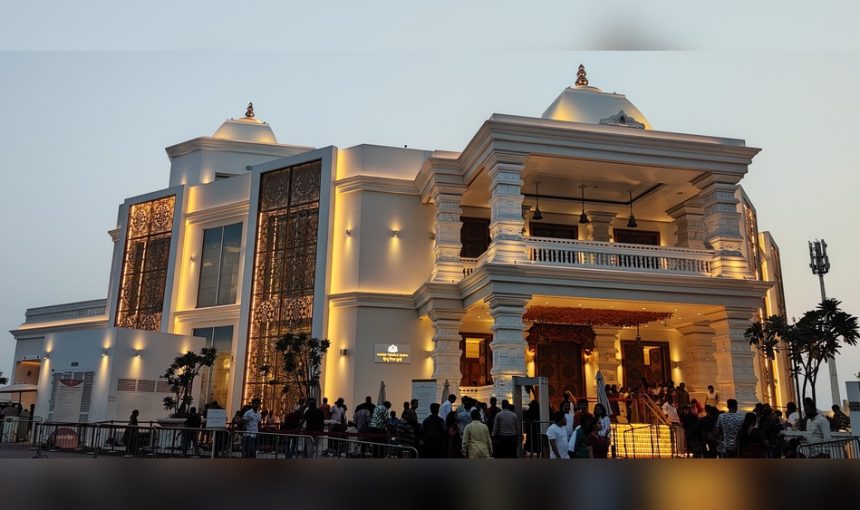
The Hindu Temple Dubai in Jebel Ali is the newest and largest Hindu temple in the city. Opened in October 2022, it covers over 25,000 square feet and welcomes people from all walks of life.
Features And Facilities
- Multiple shrines for different deities: Lord Shiva, Lord Krishna, Lord Rama, Goddess Durga, and more.
- Prayer halls for daily worship and meditation.
- Community halls for events, lectures, and classes.
- Parking and easy access for visitors.
The temple is designed to be inclusive, with prayer spaces for various Hindu sects. It uses modern technology for crowd management and offers digital booking for visits, especially during festivals.
Services And Activities
- Daily puja (rituals) and aarti (devotional singing).
- Special events for major festivals like Diwali, Navratri, and Janmashtami.
- Educational programs for children and adults.
- Charity drives and food distribution during holidays.
One insight many newcomers miss: The temple follows strict visiting hours and often requires online booking, especially during festival times. Check their official website before planning a trip.
Shiva And Krishna Mandir (Bur Dubai)
The Shiva and Krishna Mandir in Bur Dubai is the oldest Hindu temple in Dubai, serving the community since the early 1980s. Located in the bustling Meena Bazaar area, it’s a modest but lively space.
Layout And Deities
- Two main shrines: Lord Shiva and Lord Krishna.
- Small halls with limited space, often crowded during peak times.
- Open to all, with simple rituals and offerings.
Despite its size, the Bur Dubai temple is central to the Indian community. Many visitors come daily, and the temple is especially busy on Mondays (Shiva day) and Fridays.
Community Impact
- Organizes festival celebrations in partnership with local businesses.
- Supports language and cultural classes for kids.
- Provides guidance for marriage, naming ceremonies, and other rites.
A non-obvious tip: The temple is located in a busy shopping district, so parking can be difficult. It’s easier to use public transport or walk from nearby hotels.

Baps Swaminarayan Mandir (Abu Dhabi)
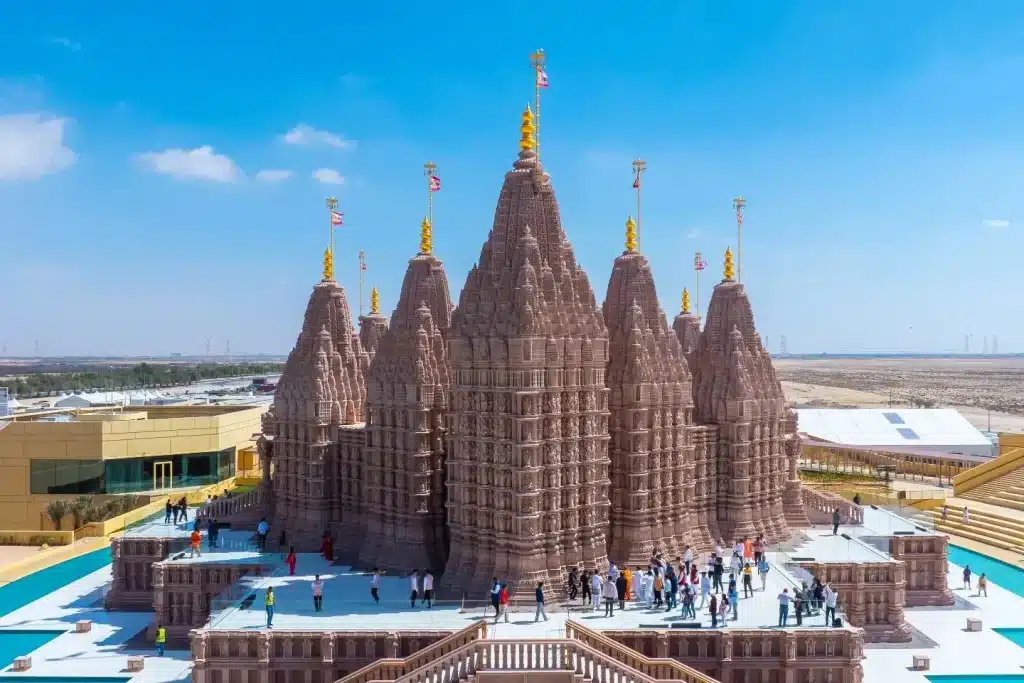
The Hindu temple in Abu Dhabi is a beautifully designed place of worship that reflects India’s rich spiritual heritage and cultural traditions. It offers a peaceful and welcoming environment for devotees to pray, meditate, and take part in religious ceremonies. The temple features intricate architecture and a calm atmosphere that attracts both worshippers and visitors interested in cultural experiences.

The temple is open to visitors and devotees. To ensure a smooth and organized experience, all visitors must pre-book their visit before arrival. Unregistered visitors and walk-in guests are not permitted entry. Please complete your booking in advance and carry any required confirmation details when visiting the temple.
Future Expansion In Dubai
There are discussions about expanding temple facilities within Dubai itself, especially in areas with large Indian populations like Al Nahda and Al Barsha. New temples may include:
- Separate halls for different sects and languages.
- Larger community centers for weddings and events.
- Multi-faith spaces for inter-religious dialogue.
Festivals And Celebrations
Hindu temples in Dubai become centers of celebration during major festivals. These events draw not only Indians but also curious residents from other backgrounds. Let’s explore the main festivals observed in Dubai’s temples.
Diwali
Diwali, the festival of lights, is the biggest Hindu celebration in Dubai. Temples are decorated with lamps, flowers, and colorful rangoli (floor art). Special prayers and cultural performances fill the halls.
During Diwali, the temples often:
- Host Lakshmi puja for prosperity.
- Distribute sweets to devotees.
- Organize charity drives for the needy.
Navratri
Navratri honors Goddess Durga with nine days of prayer and dance. Temples hold daily aarti and bhajan sessions. In Bur Dubai, small gatherings feature traditional dances like Garba and Dandiya.
Janmashtami
Janmashtami marks the birth of Lord Krishna. Devotees fast, sing devotional songs, and decorate shrines with baby Krishna images. Temples arrange midnight prayers and special food offerings.
Other Festivals
Temples also celebrate Ram Navami, Maha Shivratri, Ganesh Chaturthi, and Holi. These events include rituals, music, and sometimes community meals. Non-Hindus are welcome to join and learn about the traditions.

How To Visit Hindu Temples In Dubai
Visiting a Hindu temple in Dubai is simple, but there are guidelines to respect.
Dress Code And Behavior
- Wear modest clothing: Shoulders and knees covered.
- Remove shoes before entering prayer halls.
- Speak quietly and avoid interrupting rituals.
Photography is allowed in some areas, but always ask before taking pictures.
Visiting Hours
Most temples open from 7 am to 8 pm. During festivals, hours may extend or require online booking. The Jebel Ali temple uses digital slots to manage crowds.
Donations And Offerings
Devotees can offer flowers, fruits, or sweets. Monetary donations are welcome but not required. Temples often use funds for charity and maintenance.
Accessibility
Both major temples are wheelchair accessible. The Jebel Ali temple has ramps, elevators, and wide corridors. Bur Dubai’s temple is smaller, but staff are helpful to elderly and disabled visitors.
Comparing Hindu Temples In Dubai
To help you choose which temple to visit, here’s a comparison of Dubai’s two main Hindu temples:
| Temple Name | Location | Year Opened | Main Deities | Size | Facilities |
|---|---|---|---|---|---|
| Hindu Temple Dubai (Jebel Ali) | Jebel Ali | 2022 | Shiva, Krishna, Rama, Durga | Large (25,000 sq ft) | Parking, prayer halls, community rooms |
| Shiva and Krishna Mandir | Bur Dubai | 1980s | Shiva, Krishna | Small | Simple halls, no parking |
Unique Aspects Of Hindu Temples In Dubai
Dubai’s Hindu temples are unlike those in India, mainly due to their multi-faith, multicultural environment.
Multi-denominational Approach
Temples cater to all Hindu sects—Shaivites, Vaishnavites, Shaktas, and others—under one roof. This is rare in India, where temples usually focus on one deity or tradition.
Language Diversity
Services are conducted in Hindi, Tamil, Telugu, Malayalam, and English. This ensures every visitor feels welcome, regardless of their regional background.
Security And Regulation
Temples follow strict security guidelines. Bags are checked, and entry is monitored. This is for safety and crowd management, especially during festivals.
Community Integration
Hindu temples often work with local authorities and other religious centers. For example, they may collaborate on charity events with churches and mosques. This builds a sense of unity in Dubai’s diverse society.
Educational And Social Activities
Beyond worship, Dubai’s Hindu temples play a role in education and social support.
Language And Culture Classes
- Hindi, Sanskrit, Tamil classes for children.
- Dance and music lessons (classical and folk styles).
- Workshops on Indian history and philosophy.
Charity And Outreach
Temples regularly organize food drives, medical camps, and scholarships. During COVID-19, temples distributed meals to thousands of workers.
Marriage And Ritual Guidance
Temples help with wedding ceremonies, naming rituals, and funeral rites. They guide families through the process, ensuring customs are respected even far from home.
Challenges Faced By Hindu Temples In Dubai
While Dubai is open to religious diversity, Hindu temples face unique challenges:
Space Limitations
The oldest temple in Bur Dubai is small, leading to crowding during festivals. The Jebel Ali temple has solved some issues, but demand keeps rising.
Legal Restrictions
Religious activities are regulated. Temples must avoid loud music, public processions, or anything that disturbs neighbors. Alcohol and non-vegetarian food are forbidden in temple premises.
Funding And Maintenance
Temples rely on donations and support from the community. High maintenance costs, especially for new buildings, can be a burden.
Cultural Sensitivity
Temples must balance Indian traditions with UAE’s laws. For example, some rituals involving fire are restricted. Leaders work closely with authorities to ensure compliance.
Practical Tips For First-time Visitors
If you’re new to Dubai or Hindu temple culture, here are tips for a smooth experience:
- Check visiting hours online before you go, especially during festivals.
- Dress conservatively and carry a scarf/shawl for extra coverage.
- Bring small offerings like fruit or flowers. Avoid bringing cash for rituals.
- Be ready for crowds during holidays. Arrive early for parking or use public transport.
- If you don’t understand the rituals, ask staff or volunteers—they’re happy to explain.
- Avoid eating or drinking inside temple halls.
- Respect other visitors’ privacy and prayer time.
The Role Of Hindu Temples In Dubai’s Multicultural Society
Hindu temples are more than religious centers—they’re bridges between cultures. They promote values of peace, tolerance, and charity. Many Emiratis and other expats visit during festivals, learning about Indian customs and traditions.

The temples also help Indian expats feel at home, preserving their language, rituals, and sense of community. They provide support in times of need, from job loss to family emergencies.
A less obvious insight: Dubai’s temples sometimes host interfaith dialogues, inviting leaders from other religions. This fosters understanding and shows how the city values diversity.
Data: Hindu Population And Temple Attendance
To understand the scale, here’s some data about Hindus in Dubai:
| Year | Estimated Hindu Population | Temple Visitors per Year |
|---|---|---|
| 1990 | 100,000 | 20,000 |
| 2010 | 400,000 | 120,000 |
| 2022 | 800,000 | 350,000 |
This growth shows how important temples have become for Dubai’s Indian community.
Comparison: Temple Activities And Facilities
Here’s a comparison of temple services and activities:
| Temple | Festivals Celebrated | Language Classes | Charity Events | Marriage Guidance |
|---|---|---|---|---|
| Hindu Temple Dubai (Jebel Ali) | All major Hindu festivals | Hindi, Tamil, Telugu | Regular food drives | Full support |
| Shiva and Krishna Mandir | Selected festivals | Hindi, Gujarati | Occasional charity | Limited support |
Hindu Temples Beyond Dubai
While Dubai is the main hub, nearby cities like Abu Dhabi and Sharjah also host Hindu prayer spaces.
For more details about Hindu temples worldwide, you can visit Wikipedia.
Frequently Asked Questions
What Is The Largest Hindu Temple In Dubai?
The Hindu Temple Dubai in Jebel Ali is the largest, covering over 25,000 square feet. It features multiple shrines and modern facilities.
Are Non-hindus Allowed To Visit Hindu Temples In Dubai?
Yes, all faiths are welcome. Visitors should respect temple customs and dress modestly.
Do I Need To Book In Advance To Visit A Temple?
Booking is recommended for the Jebel Ali temple, especially during festivals. The Bur Dubai temple usually allows walk-ins but can be crowded.
Can I Take Photos Inside Hindu Temples In Dubai?
Photography is allowed in some areas, but always ask staff before taking pictures. Some rituals and shrines may be off-limits.
What Festivals Are Celebrated In Hindu Temples In Dubai?
Major festivals include Diwali, Navratri, Janmashtami, Ram Navami, and Maha Shivratri. Temples host special prayers and cultural events for each.
Dubai’s Hindu temples are living proof of the city’s openness and diversity. Whether you seek spiritual comfort, cultural connection, or simply want to explore, these temples offer a unique experience. They show how Dubai brings people together, honoring tradition while embracing modernity.
Planning your Dubai trip? Let White Sky handle it.
We book your attraction tickets, tours, hotels and flights — and you can pay later with Tabby, Tamara or UAE credit-card monthly instalments. Need a UAE tourist visa too? We do that in-house.

For the Indian community and beyond, Hindu temples are a beacon of faith, unity, and understanding.
Enjoying our content? Make us a preferred source on Google.
Add us as a Preferred Source on Google