
Update, September 2026: the Grand Mosque now charges an entry fee
Visitors now need a ticket booked on the official website, szgmc.gov.ae, up to one month before the visit. Worship is unaffected.
Sheikh Zayed Grand Mosque Entry Fee and Timings 2026
| Visitor | Entry fee |
|---|---|
| UAE Emirates ID holders | AED 5 |
| Tourists | AED 10 |
| Under 3, over 60, people of determination | Free |
| Diya or the Light and Peace Museum (optional) | AED 25 each, or AED 40 for both |
| Day | Visiting hours | Last entry |
|---|---|---|
| Saturday to Thursday | 9:00am to 9:00pm | 8:30pm |
| Friday | 9:00am to 12:00pm, then 2:30pm to 9:00pm | 11:30am and 8:30pm |
Hours change during Ramadan and on special occasions, so check the official site before you go. The mosque is about 1 hour 30 minutes from Dubai by car.
The Sheikh Zayed Grand Mosque in Abu Dhabi, UAE, stands as one of the most impressive religious and architectural landmarks in the world. It attracts millions of visitors each year, not only for its spiritual significance but also for its unique design, artistic detail, and welcoming atmosphere. In this article, you will discover why the mosque is so special, how it was built, what to expect during a visit, and how it compares to other famous mosques. Whether you are planning a trip or just curious about this majestic structure, you will find everything you need to know within these pages.
Table of Contents
The Vision Behind Sheikh Zayed Grand Mosque
The mosque is named after Sheikh Zayed bin Sultan Al Nahyan, the founding father and first president of the United Arab Emirates. His vision was to create a place that would unite people of different cultures and faiths, reflecting the values of tolerance and peace. The construction began in 1996 and took about 11 years to complete. The mosque opened its doors in 2007, quickly becoming a symbol of modern Islamic architecture and a center for cultural exchange.
Sheikh Zayed wanted the mosque to be open to all, not just Muslims. Today, it is known for welcoming visitors from every background. This openness has made the mosque a symbol of the UAE’s spirit of hospitality and unity.
Architectural Features And Design
The Sheikh Zayed Grand Mosque is famous for its breathtaking design, which combines traditional and modern elements. The structure covers more than 30 acres and has space for over 40,000 worshippers. The mosque’s layout, decorations, and materials were chosen with great care to reflect Islamic art and embrace global influences.
The Main Dome And Minarets
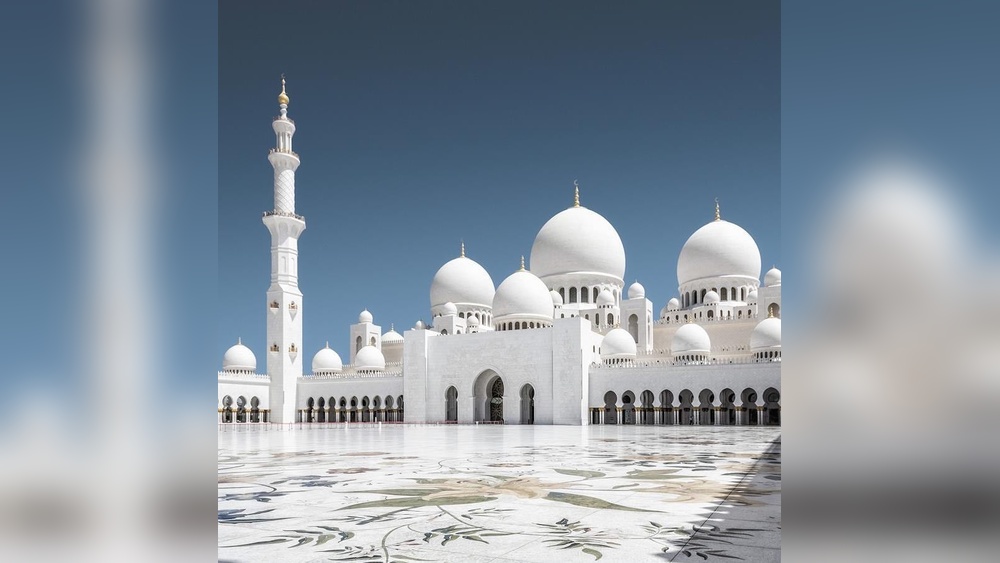
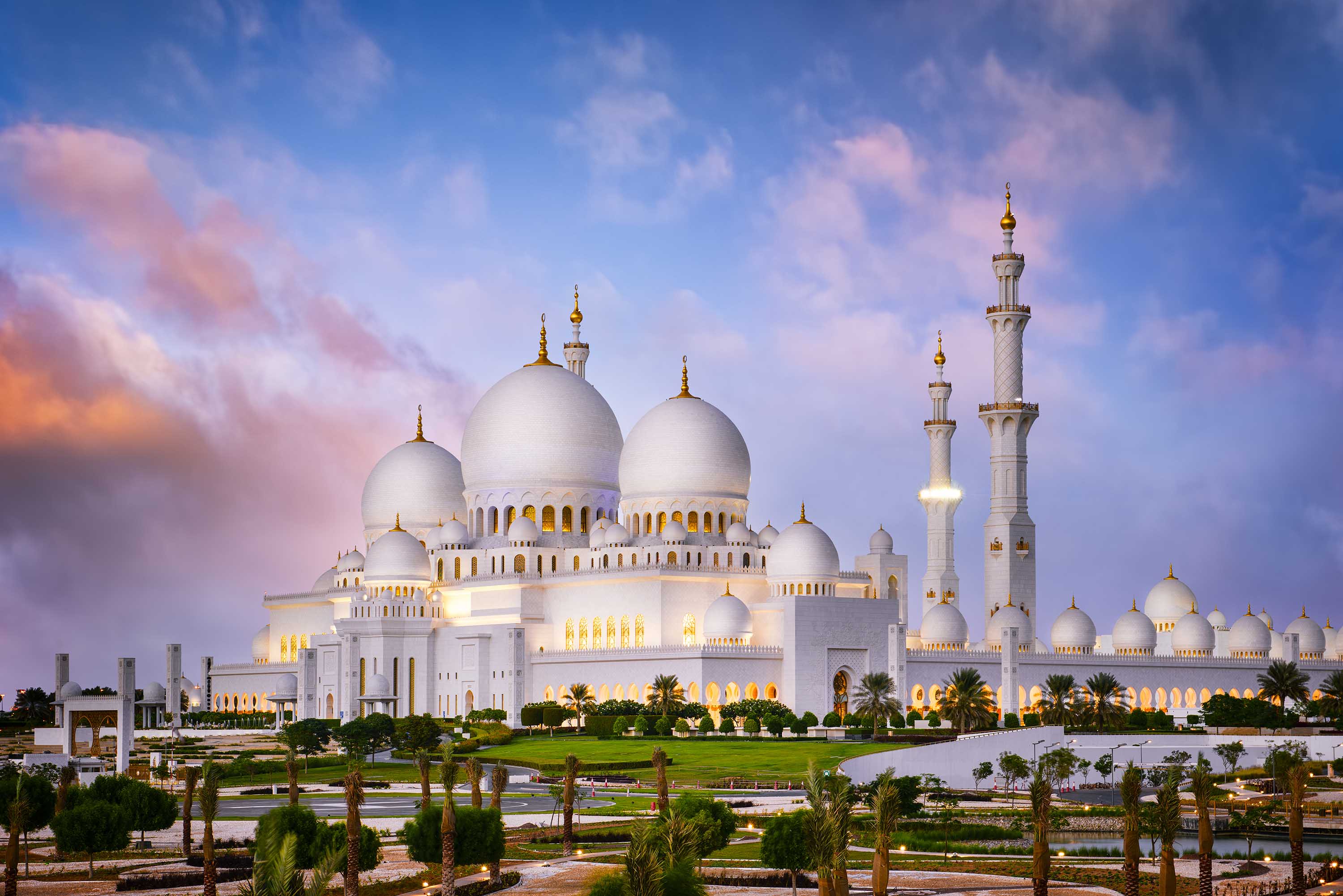
One of the first things you notice is the mosque’s huge central dome, surrounded by 81 smaller domes. The central dome is among the largest in the world, measuring 32. 8 meters (about 108 feet) in diameter and rising 85 meters (279 feet) high.
Four minarets, each standing 107 meters (351 feet) tall, mark the corners of the mosque. These minarets are designed in a blend of Mamluk, Ottoman, and Fatimid styles, showing the diversity of Islamic architecture.
Columns, Courtyards, And Marble
The mosque features over 1,000 columns decorated with mother-of-pearl inlays. The courtyard (Sahan) is covered with white marble and beautiful floral mosaics. The marble was imported from Italy, Greece, India, and China, giving the mosque a unique look.
Artistic Details
Inside, you will find the world’s largest hand-knotted carpet, made by more than 1,200 artisans from Iran. The carpet covers 5,627 square meters (about 60,560 square feet) and contains over 2.2 billion knots. The mosque also features seven chandeliers decorated with Swarovski crystals, with the largest weighing about 12 tons and measuring 10 meters in diameter.
Water Features And Lighting
Reflecting pools surround the mosque, creating stunning mirror effects. At night, a unique lighting system projects soft blue tones onto the exterior, mimicking the phases of the moon. This feature is not only beautiful but also symbolic, reminding visitors of the Islamic lunar calendar.
Table: Key Architectural Statistics
| Feature | Details |
|---|---|
| Main Dome Height | 85 meters (279 feet) |
| Number of Domes | 82 |
| Minaret Height | 107 meters (351 feet) |
| Worshipper Capacity | 40,000+ |
| Hand-Knotted Carpet Size | 5,627 sq meters (60,560 sq feet) |
| Chandeliers | 7 (Largest weighs 12 tons) |
Construction Materials And Techniques
The mosque was built using some of the finest materials from around the world, carefully selected for durability and beauty. Nearly 30 different kinds of marble were used, along with gold, semi-precious stones, crystals, and ceramics.
Marble And Stone
The main material is white marble. The purity of the marble gives the mosque its glowing appearance and helps keep the interior cool. Special stones were chosen for their color and texture, ensuring every piece fits the overall design.
Craftsmanship And Artisans
More than 3,000 workers and 38 contracting companies took part in the construction. Artisans from many countries, including Italy, Germany, India, Turkey, and Morocco, contributed their expertise in stone carving, mosaic work, and embroidery.
Table: Global Sources Of Materials
| Material | Source Country |
|---|---|
| White Marble | Italy, Greece, India, China |
| Mother-of-Pearl | India |
| Gold Leaf | Germany |
| Crystal Chandeliers | Austria (Swarovski) |
| Hand-Knotted Carpet | Iran |
Non-obvious Insight
Many visitors do not realize that the mosque’s marble was chosen not only for its beauty but also for its ability to withstand high temperatures and humidity, important for the UAE’s climate. Another detail: the floral mosaic patterns were designed to be visible both up close and from a distance, creating different visual effects depending on where you stand.
Cultural And Religious Importance
The Sheikh Zayed Grand Mosque is more than just a place of worship. It is a center for education, dialogue, and cultural exchange. The mosque hosts events, lectures, and exhibitions, aiming to build bridges between different communities.
Place Of Worship
The mosque is open for daily prayers and Friday sermons. It becomes especially crowded during Ramadan and Eid, when thousands gather for special services. The mosque’s open-door policy welcomes not only Muslims but also tourists and residents of other faiths.
Symbol Of Unity
Sheikh Zayed’s vision was to unite the peoples of the UAE and the wider world. The mosque’s design includes influences from Arab, Persian, Mughal, and Moorish styles, showing the UAE’s multicultural roots.
Educational Role
Guided tours are available for visitors, explaining the mosque’s history, architecture, and Islamic traditions. These tours help clear up misconceptions and promote understanding.
Example: Women’s Role
Many visitors are surprised to learn about the mosque’s inclusive approach. Women play a significant role in the mosque’s activities, from guiding tours to participating in events. The mosque provides special prayer areas and facilities for women.
Visiting Sheikh Zayed Grand Mosque
If you are planning a visit, there are several important things to know about the experience. The mosque is located in Abu Dhabi, about 20 minutes from the city center and 90 minutes from Dubai.
Opening Hours And Entry
The mosque is open to visitors every day. See the timings table above. Visitors need a ticket booked on
szgmc.gov.ae (AED 5 with an Emirates ID, AED 10 for tourists), and hours can change during Ramadan.”
- Amenities table: change “Guided Tours | Free, multiple languages” to “Guided Tours | Multiple languages”.
- “Booking Tours” section: replace “Most tours can be booked on arrival, but you can also reserve through the
mosque’s official website.” with “Book your entry ticket on szgmc.gov.ae before you go. If you visit with
our Abu Dhabi city tour from Dubai, we arrange the booking and transport for you.
Dress Code
To respect Islamic tradition, visitors must dress modestly. Men should wear long pants and shirts with sleeves. Women must cover their arms, legs, and hair. The mosque provides abayas (long robes) and headscarves for female visitors if needed.
Photography
Photography is allowed in most areas, except during prayer times. Visitors often capture the beauty of the domes, columns, and courtyards. Professional photographers sometimes choose the mosque for wedding shoots and art projects.
Guided Tours
Free guided tours take place several times a day. These tours last about 45 minutes and cover the mosque’s history, architecture, and religious practices. Guides speak several languages, including English, Arabic, and French.
Accessibility
The mosque is accessible to people with disabilities. Wheelchairs are available, and ramps are provided throughout the grounds. The mosque also offers special facilities for children and families.
Table: Visitor Amenities
| Amenity | Details |
|---|---|
| Parking | Free, large capacity |
| Restrooms | Clean, modern facilities |
| Prayer Rooms | Separate areas for men and women |
| Guided Tours | Free, multiple languages |
| Wheelchair Access | Available throughout mosque |
| Clothing Rentals | Abayas and headscarves for women |
Practical Tips For Visitors
- Arrive early to avoid crowds, especially during weekends and holidays.
- Respect the dress code; bring your own scarf if possible.
- Take a guided tour for deeper understanding.
- Avoid visiting during Friday prayers if you are not Muslim.
- Bring water, as it can get hot during the day.
- Watch for special events or exhibitions, which may offer extra activities.
Common Mistakes
Some visitors forget to dress properly and must borrow clothing on arrival, which can delay entry. Others arrive during prayer times, when parts of the mosque are closed. Planning ahead ensures a smoother experience.
Comparing Sheikh Zayed Grand Mosque To Other Famous Mosques
The Sheikh Zayed Grand Mosque is often compared to other iconic mosques around the world. Below is a comparison with two of the most famous: the Sultan Ahmed Mosque (Blue Mosque) in Istanbul and the Masjid al-Haram in Mecca.
Table: Mosque Comparison
| Mosque | Location | Capacity | Main Feature | Year Completed |
|---|---|---|---|---|
| Sheikh Zayed Grand Mosque | Abu Dhabi, UAE | 40,000+ | Largest hand-knotted carpet, 82 domes | 2007 |
| Sultan Ahmed Mosque (Blue Mosque) | Istanbul, Turkey | 10,000+ | Blue Iznik tiles, 6 minarets | 1616 |
| Masjid al-Haram | Mecca, Saudi Arabia | 4,000,000+ | Kaaba, largest mosque in the world | 7th century (expanded many times) |
Unique Features
The Sheikh Zayed Grand Mosque stands out for its modern design and openness to visitors of all faiths. While Masjid al-Haram is the spiritual heart of Islam, only Muslims may enter. The Blue Mosque is famous for its interior tiles and historic architecture, but it is much smaller and older.
Non-obvious Insight
Unlike many historic mosques, Sheikh Zayed Grand Mosque was built with the latest construction techniques. This allows for features like advanced lighting, climate control, and accessibility, which make visits more comfortable for everyone.
Events And Activities
The mosque is not only a place for prayer but also a venue for cultural and community events. It hosts art exhibitions, lectures, and educational programs year-round.
Ramadan And Eid
During Ramadan, the mosque offers special prayers (Tarawih) and hosts iftar meals for thousands. The atmosphere is peaceful and spiritual, with extra activities for families and children. On Eid al-Fitr and Eid al-Adha, the mosque becomes a lively gathering place, with people dressed in traditional clothing and celebrating together.
Art And Culture
The mosque regularly features exhibitions about Islamic art, calligraphy, and history. Artists and scholars from around the world are invited to share their work and knowledge.
Educational Tours
School groups and university students often visit the mosque for educational tours. These programs explain the basics of Islamic practice, architecture, and history, helping young people understand and appreciate different cultures.

Planning Your Trip
To make the most of your visit, consider the best times and ways to experience the mosque.
Best Time To Visit
The mosque is beautiful at any time, but sunset is especially stunning. The light changes, and the domes and minarets glow against the sky. Evening visits allow you to see the lighting effects and enjoy cooler temperatures.
Getting There
You can reach the mosque by taxi, car, or public bus. There is plenty of parking, and taxis are easy to find in Abu Dhabi. If you are coming from Dubai, plan for at least 90 minutes travel time.

The simplest option from Dubai is our Abu Dhabi tour from Dubai, which includes the Grand Mosque and pick up from your home or hotel.
Booking Tours
Most tours can be booked on arrival, but you can also reserve through the mosque’s official website. For special events, check the schedule and book early.
Safety And Security
The mosque is well-guarded, and staff are friendly and helpful. Security checks are routine but quick. The mosque is considered one of the safest places for tourists in the UAE.
Frequently Asked Questions
What Is The Best Time To Visit Sheikh Zayed Grand Mosque?
The best time is late afternoon or sunset, when the lighting is most beautiful and temperatures are cooler. Evening visits also offer a chance to see the mosque’s unique night-time illumination.
Is Sheikh Zayed Grand Mosque free to enter?
Not any more. Since September 2026 visitors pay AED 5 with a UAE Emirates ID or AED 10 as tourists. Children under 3, visitors over 60 and people of determination enter free. Book your ticket on szgmc.gov.ae, up to one month ahead.
What Should I Wear When Visiting The Mosque?
Modest clothing is required. Men should wear long pants and shirts with sleeves. Women must cover their arms, legs, and hair. Abayas and headscarves are provided if needed.
Are Non-muslims Allowed To Visit And Take Photos?
Yes, non-Muslims are welcome. Photography is allowed except during prayer times and in certain areas. Respect local customs and avoid taking photos of people without permission.
How Does Sheikh Zayed Grand Mosque Compare To Other Mosques?
The mosque stands out for its modern design, large size, and openness to visitors of all faiths. It combines traditional Islamic art with global influences and offers advanced facilities not found in older mosques. For more details, visit the official site: Sheikh Zayed Grand Mosque Center.
What are the Sheikh Zayed Grand Mosque timings?
Saturday to Thursday 9am to 9pm (last entry 8:30pm). On Friday 9am to 12pm and 2:30pm to 9pm.
Where is the Abu Dhabi Grand Mosque located?
On Sheikh Rashid Bin Saeed Street between the Maqta and Mussafah bridges, about 15 minutes from central Abu Dhabi and 1 hour 30 minutes from Dubai.
Can I visit the Grand Mosque on a tour from Dubai?
Yes. Our Abu Dhabi city tour from Dubai includes the Grand Mosque with hotel pick up. UAE residents can pay with Tabby, Tamara or a UAE credit card. WhatsApp +971 4 220 2133.
The Sheikh Zayed Grand Mosque is more than a building; it is a place where art, faith, and culture meet. Its beauty and openness make it a must-see for anyone visiting the UAE. Whether you come for prayer, learning, or just to admire the architecture, the mosque offers a unique and unforgettable experience. It stands as a true symbol of unity, welcoming the world to discover the heart of Abu Dhabi.
Enjoying our content? Make us a preferred source on Google.
Add us as a Preferred Source on Google