At White Sky Travel, we work with hundreds of travelers every month from our Dubai office — and we see firsthand how modern travel habits are shifting in real time. People want more flexibility, more meaningful experiences, and smarter ways to plan and take trips. Whether you are a frequent flyer or planning your first big getaway, understanding these trends will help you make better decisions and get more out of every journey.
In this article, we break down how travel habits have evolved, the key factors driving change, how different generations approach travel differently, and what to expect as these patterns continue to develop.
Table of Contents
How Travel Habits Have Evolved Post-Pandemic
The COVID-19 pandemic reshaped the way people think about travel more profoundly than any event in recent memory. It forced the industry to adapt, and it changed what travelers want from a trip before they even pack a bag.
Health and Safety Now Shape Every Decision
Travelers now research destinations and accommodations with health and safety as a primary filter — not an afterthought. This shift in modern travel habits has led to a sustained rise in demand for properties with contactless check-in, digital room keys, and verifiable hygiene standards. Private accommodations have gained ground over traditional hotels, and travel insurance that covers health-related disruptions has become a standard part of trip planning rather than an optional add-on.
At White Sky Travel, we always recommend that travelers take out comprehensive travel insurance before any international trip. It is one of the most practical changes in modern habits that has stuck long after pandemic restrictions ended.
Flexibility Has Become the New Standard
Uncertainty during the pandemic taught travelers a hard lesson: rigid bookings are a liability. Today, refundable fares, free cancellation windows, and flexible date changes are no longer perks — they are baseline expectations. Airlines and hotels that fail to offer these options are losing ground fast. We advise our clients to use flexible booking policies whenever possible, particularly when traveling to destinations with unpredictable visa processing times or entry requirements.
Domestic and Regional Travel Found a Loyal Audience
When international borders closed, millions of people discovered their own regions for the first time. Domestic tourism surged and, importantly, many travelers kept those habits even after restrictions lifted. Road trips, weekend escapes, and short regional flights have become a staple of how people use their annual leave. From the UAE, this has meant growing demand for quick trips to Oman, Georgia, Azerbaijan, and similar nearby destinations that feel fresh without requiring long travel time.
Key Factors Influencing Modern Travel Habits
Several forces are reshaping how people research, plan, book, and take trips. Each one is worth understanding because together they explain why travel behavior looks so different today from a decade ago.
The Rise of Sustainable Travel
Sustainability has moved from niche concern to mainstream priority. Travelers — particularly those under 40 — now factor environmental impact into their choices. This plays out in several practical ways. Green-certified hotels and eco-lodges attract guests who a few years ago would have chosen five-star chains without question. Carbon-neutral transportation options, including train travel and electric vehicle rentals, are growing in popularity. Responsible tourism practices — buying local, respecting cultural norms, minimizing waste — are increasingly part of how people want to travel, not just how they want to feel about travel after the fact.
For travel agencies like ours, this means helping clients find options that align with their values, not just their budget.
Technology Is Transforming How People Plan and Take Trips
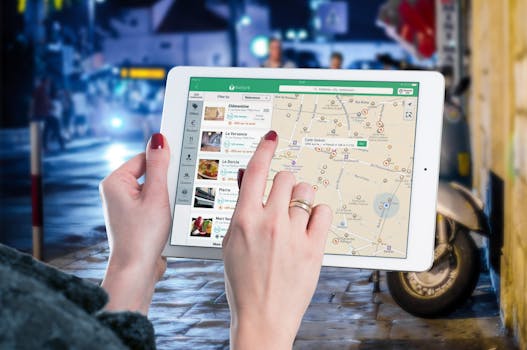
AI travel assistants, dynamic pricing tools, and virtual previews have changed the research process completely. Where travelers once relied on guidebooks or phoned a travel agent for basic information, they now use AI tools to build draft itineraries, compare accommodation options across dozens of platforms simultaneously, and even preview hotels through virtual reality before committing to a booking.
Dynamic pricing algorithms mean that the time you choose to research and book a trip can significantly affect what you pay. Apps that track fare fluctuations and send alerts when prices drop have become standard tools in the modern traveler’s toolkit. We use technology ourselves to monitor pricing across airlines and hotel chains, which is how we help our clients get real value rather than just convenience.
That said, technology has limits. When our clients need a visa on a tight timeline, face an unusual immigration requirement, or want a tailor-made itinerary for a destination with complex logistics, they still want a person — an experienced consultant who knows the process and can take responsibility for the outcome. That human element is something no app replaces.
Social Media Continues to Shape Where People Want to Go
Instagram, TikTok, and YouTube have made destination discovery faster and more visual than ever. A single viral reel can create a surge of interest in a location that received relatively little attention the week before. Travelers use social platforms to identify destinations, shortlist properties, check experiences, and validate choices through peer reviews and influencer content.

The influence of social media on modern travel habits is not limited to inspiration. It also drives a preference for photogenic, shareable experiences — which has changed how hotels, tour operators, and even airports present themselves. Destinations that invest in visual appeal and user-generated content tend to attract more visitors, regardless of how they compare on traditional metrics like hotel star ratings or proximity to attractions.

How Millennials and Gen Z Differ in Travel Habits
Younger generations have distinct approaches to travel that are shaping industry trends more broadly. Understanding these differences helps explain why travel habits look so different across age groups — and why one-size-fits-all travel products are becoming less effective.
Millennials: Experience Over Everything
Millennials consistently prioritize experience over material possessions, and this shows in how they approach trips. They want active, immersive travel — adventure activities, cultural festivals, local homestays, and meaningful engagement with the places they visit. They are less interested in passive sightseeing and more interested in doing and feeling. Bleisure travel — combining business travel with leisure extensions — fits naturally into this mindset, because it lets them make the most of every trip without taking additional time off.
Gen Z: Budget-Smart, Digitally Connected, Values-Driven
Gen Z travelers approach travel differently. They research more thoroughly, compare prices across more platforms, and are less brand-loyal than previous generations. They want good value more than they want luxury, and they are quicker to switch providers if a better option appears. They also place genuine weight on environmental and social values when making travel decisions — they are less likely to book with an operator whose practices conflict with their own priorities.
Gen Z travelers use mobile-first tools for every stage of the journey: from inspiration on TikTok to booking on apps, navigation with offline maps, and sharing experiences in real time. Staying connected is not a bonus feature for this group — it is a non-negotiable part of how they travel.
The Future of Modern Travel Habits: What to Watch
As these trends continue to develop, a few directions are emerging that will define how people take trips in the coming years.
Bleisure Travel Is Here to Stay
Remote and hybrid work arrangements have made it practical for people to extend business trips into personal ones, or to work from desirable destinations for extended periods. Demand for business-friendly accommodations with coworking spaces, reliable high-speed internet, and flexible check-in and check-out policies is growing steadily. This is no longer a niche segment — it is a mainstream travel behavior that hotels, airlines, and travel agencies need to plan around.
Slow Travel Is Gaining Ground
Travelers who once tried to cover five cities in seven days are increasingly choosing to spend more time in fewer places. Slow travel prioritizes depth over breadth — getting to know a city’s neighborhoods, eating where locals eat, taking day trips rather than hopping flights, and returning home feeling rested rather than exhausted. It also reduces travel footprint, which appeals to sustainability-conscious travelers. We are seeing this shift clearly in how clients brief us when planning longer trips: they want quality recommendations for one destination rather than a packed itinerary across many.
Personalization Is Raising Expectations
AI and data analytics are enabling a level of personalization that was impractical to deliver at scale even five years ago. Travelers now expect recommendations that reflect their actual preferences — not generic suggestions based on popularity. Customized itineraries, tailored accommodation options, and real-time activity suggestions based on location and interest are becoming normal expectations, not premium features.
For us at White Sky Travel, personalization has always been central to what we offer. We take the time to understand what each client actually wants from a trip — and that approach is now the standard the entire industry is moving toward.
What These Travel Habits Mean for Travelers in the UAE
For travelers departing from Dubai or Abu Dhabi, these trends have specific practical implications. The UAE’s geographic position makes it one of the best-placed hubs in the world for both short regional escapes and long-haul travel. Flexible booking options are widely available on routes out of Dubai International and Al Maktoum airports. Visa services, hotel bookings, flight tickets, and tour packages can all be arranged through White Sky Travel with payment options via Tabby, Tamara, or UAE credit card installments — making it easier to plan and take the trip you want without straining your budget.
We work with clients who travel for leisure, business, family visits, and everything in between. The one consistent pattern we see across all of them: modern travel habits are increasingly defined by the desire for convenience, flexibility, and experiences that feel genuinely personal.
If you want help planning your next trip, reach out to our team on WhatsApp at +971 42 202 133 or +971 52 292 1011. We are available daily from 8 AM to 8 PM and happy to help you find the right option.
What are modern travel habits?
Modern travel habits refer to the evolving ways people research, plan, book, and take trips — shaped by technology, sustainability awareness, social media influence, and post-pandemic priorities like flexibility and health safety.
How have travel habits changed after the pandemic?
Post-pandemic travel habits prioritize flexible booking policies, health and hygiene standards, travel insurance, and a greater interest in domestic and regional destinations over purely international travel.
How do Millennials and Gen Z travel differently?
Millennials tend to prioritize immersive, experience-driven travel and bleisure trips, while Gen Z focuses on budget-smart choices, digital tools, sustainability, and values-aligned travel decisions.
What is slow travel?
Slow travel is the practice of spending more time in fewer destinations to fully experience local culture, food, and lifestyle, rather than rushing through multiple locations in a short trip.
How does social media influence modern travel habits?
Social media platforms like Instagram and TikTok shape destination discovery, inspire travel decisions, and drive demand for visually distinctive, shareable travel experiences.
Conclusion: Adapting to the Way People Travel Today
Modern travel habits are not a fixed target — they are a moving one, shaped by technology, generational values, global events, and the accumulated experience of millions of trips. What stays constant is the underlying desire to explore, discover, and come home having experienced something worthwhile.
Understanding these shifts helps travelers make smarter choices, and it helps agencies like ours serve clients better. Whether you are planning your next getaway or just beginning to research your options, we are here to help you navigate the journey from start to finish.
Enjoying our content? Make us a preferred source on Google.
Add us as a Preferred Source on Google