Table of Contents
The Abrahamic Family House: A New Chapter For Interfaith Harmony
In a world where divisions often make headlines, the Abrahamic Family House stands as a remarkable symbol of unity. Built in Abu Dhabi, United Arab Emirates, this innovative complex brings together three major world religions—Islam, Christianity, and Judaism—under one roof. The project is not just an architectural wonder; it is a living example of respect, dialogue, and shared values. Its aim is simple but ambitious: to encourage understanding and peace between faiths that share Abraham as a common ancestor.
This article explores the Abrahamic Family House in depth—from its design and purpose to its impact on global interfaith relations. You will also discover unique insights, practical details, and comparisons that help explain why this landmark matters in today’s world.
Origins And Purpose Of The Abrahamic Family House
The Abrahamic Family House emerged from a vision of promoting peaceful coexistence. In 2019, Pope Francis and Grand Imam Ahmed el-Tayeb signed the Document on Human Fraternity in Abu Dhabi, calling for tolerance and mutual respect. This event inspired the UAE government to create a place where the three Abrahamic religions could practice, learn, and connect.
The project is led by the Higher Committee of Human Fraternity, which includes religious leaders and experts from different backgrounds. Its main goals include:
- Providing spaces for worship and reflection
- Encouraging dialogue between faiths
- Educating the public about shared values and histories
- Hosting events and programs for cultural exchange
The Abrahamic Family House is more than a building—it is a statement. It shows that differences can be respected and celebrated, not feared.
Architectural Design And Features
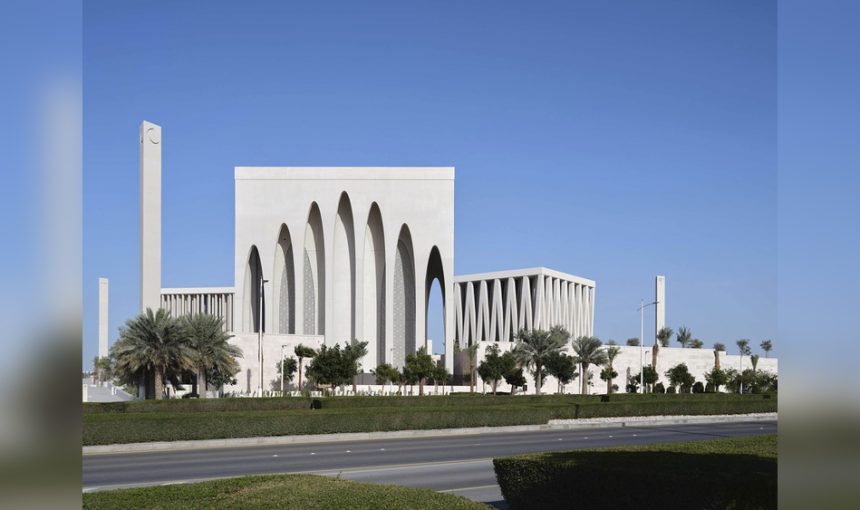
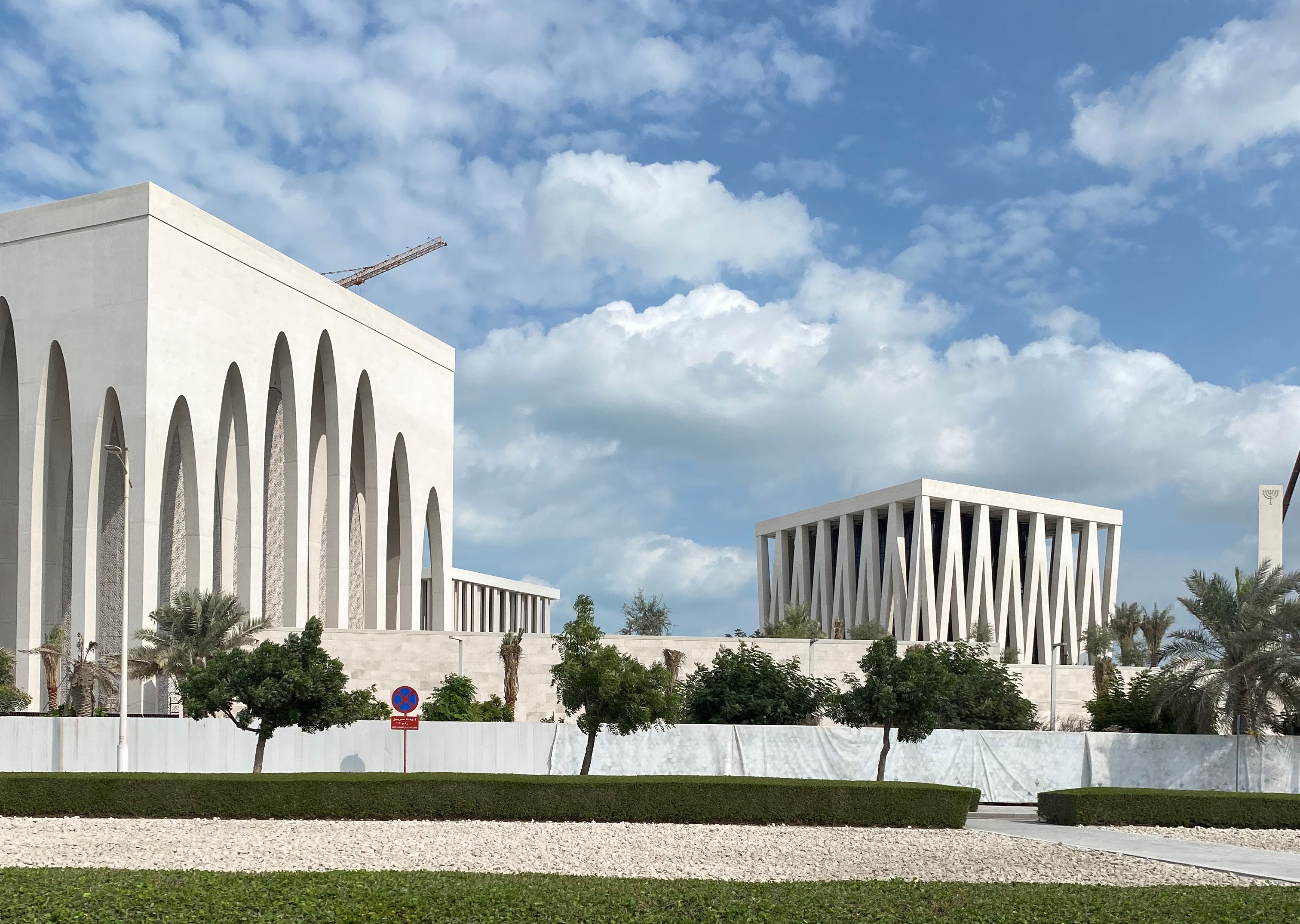
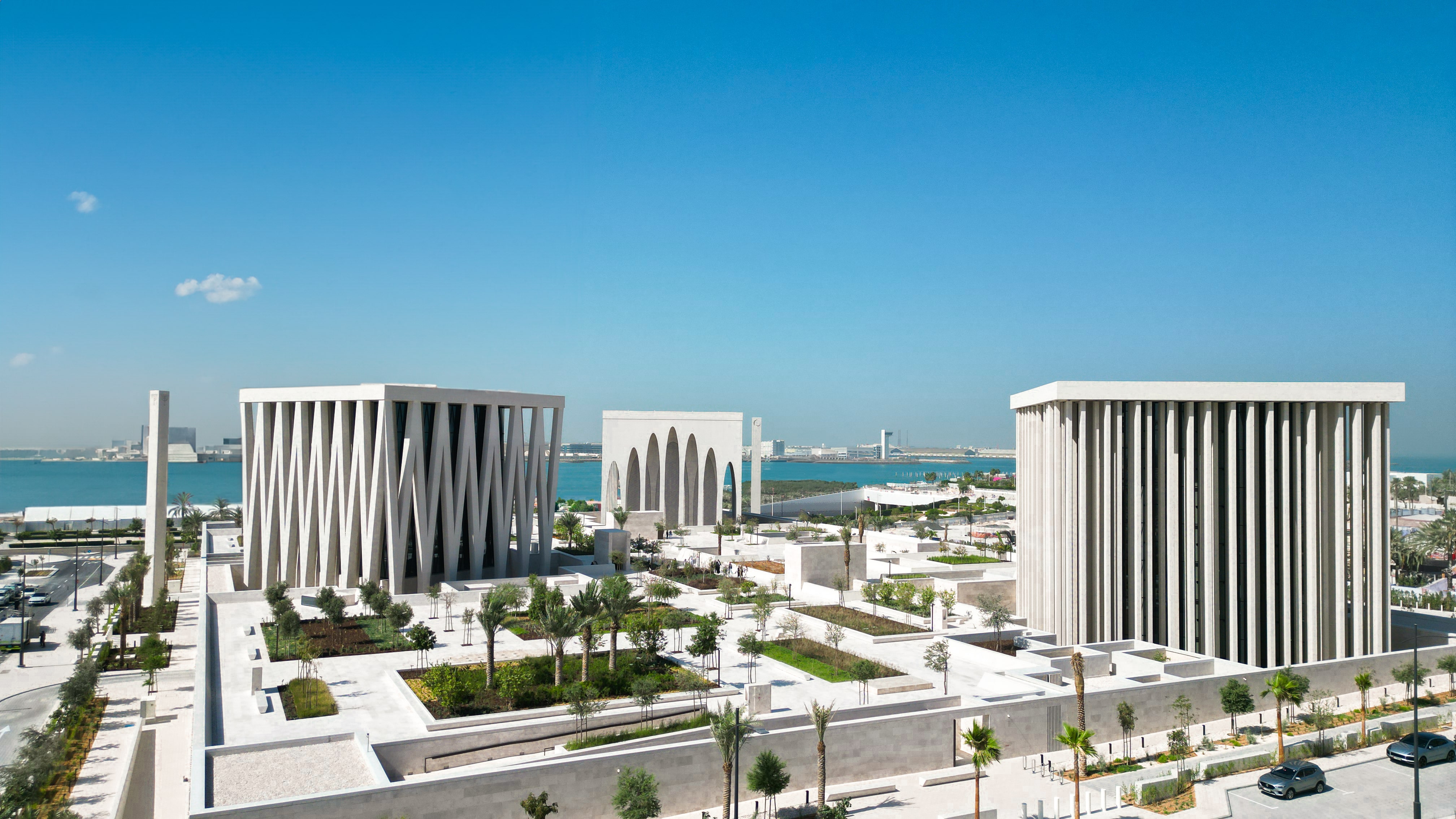
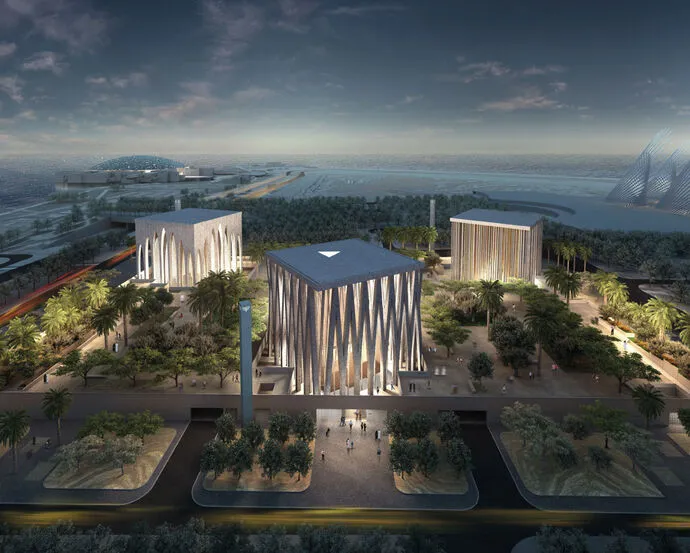
Designed by Sir David Adjaye, a Ghanaian-British architect, the Abrahamic Family House blends modern style with deep symbolism. The site covers about 65,000 square meters on Saadiyat Island, Abu Dhabi’s cultural district.
Three Distinct Houses Of Worship
Each religion has its own dedicated structure:
- Imam Al-Tayeb Mosque
- St. Francis Church
- Moses Ben Maimon Synagogue
These buildings are equal in size and height, showing fairness and balance among the religions. They are connected by a central forum, a space for meetings and community activities.
Key Architectural Elements
- Unified yet separate: The three houses have similar shapes but unique features, reflecting their distinct traditions.
- Natural light: Large windows and open spaces let sunlight fill the interiors, creating a peaceful atmosphere.
- Sustainable materials: The design uses eco-friendly materials, supporting both tradition and innovation.
- Gardens and courtyards: Outdoor spaces encourage relaxation and interaction.
Here is a comparison of the three worship houses:
| House of Worship | Main Symbol | Capacity | Unique Feature |
|---|---|---|---|
| Imam Al-Tayeb Mosque | Mihrab | ~500 | Oriented toward Mecca |
| St. Francis Church | Cross | ~500 | Altar for Christian rituals |
| Moses Ben Maimon Synagogue | Torah Ark | ~500 | Separate seating for men and women |
The Central Forum
The forum is not tied to any one religion. It is a neutral space for people of all backgrounds to gather, learn, and share ideas. This area hosts lectures, workshops, and exhibitions that promote peace and understanding.
Religious Significance And Symbolism
The Abrahamic Family House is built on a powerful concept: all three religions trace their roots to Abraham. This shared ancestry is the heart of the project. By focusing on common values—such as compassion, justice, and charity—the site encourages dialogue rather than division.
Shared Values
- Respect for humanity
- Commitment to peace
- Importance of family
- Charity and helping others
The architecture itself reflects these values. For example, the equal size of the houses shows mutual respect, while the central forum symbolizes the importance of coming together.
Examples Of Symbolism
- The mosque’s mihrab points toward Mecca, reminding visitors of Islamic tradition.
- The church’s cross and altar highlight Christian beliefs.
- The synagogue’s Torah Ark emphasizes the centrality of Jewish scripture.
Each building is open to visitors from other faiths, though certain areas are reserved for worship.
Community Programs And Educational Activities
The Abrahamic Family House is not just a place for worship. It offers a wide range of activities and events to engage the public. These programs are designed to build bridges between communities.
Types Of Activities
- Interfaith dialogues: Leaders and experts discuss topics like ethics, history, and social issues.
- Cultural workshops: People learn about religious holidays, art, and music from each tradition.
- Youth programs: Schools and universities partner with the House to teach students about tolerance and diversity.
- Charity events: Food drives, health clinics, and support for the needy are common.
Special Events
The Abrahamic Family House hosts international conferences, art exhibitions, and peace festivals. These gatherings attract visitors from around the world, making the site a global hub for interfaith cooperation.
Here is a comparison of program focus areas:
| Program Type | Main Audience | Key Activities |
|---|---|---|
| Interfaith Dialogues | Adults, leaders | Panel discussions, Q&A |
| Cultural Workshops | Families, youth | Music, art, food |
| Youth Programs | Students | Field trips, debates |
| Charity Events | General public | Fundraisers, volunteering |
Impact On Local And Global Communities
The Abrahamic Family House has quickly become a symbol of hope. Its influence reaches far beyond Abu Dhabi.
Local Impact
- Increased tolerance: Residents report higher levels of acceptance and understanding.
- Tourism boost: The House attracts thousands of visitors each year, helping the local economy.
- Education: Schools use the site as a teaching tool for religious studies and ethics.
Global Impact
- Model for other countries: Governments and organizations look to the Abrahamic Family House as an example for their own interfaith projects.
- Media attention: News outlets highlight the House’s role in promoting peace.
- Diplomatic support: Leaders from different nations visit the House, showing their commitment to dialogue.
One non-obvious insight is the House’s effect on policy. By showing that religious coexistence is possible, it encourages lawmakers to consider similar projects in their own countries.
Real Data And Statistics
- In its first year, over 100,000 visitors attended events or toured the site.
- Surveys show a 30% increase in positive attitudes toward other religions among local residents.
- More than 50 international delegations have visited the House since its opening.
Challenges And Criticisms
While the Abrahamic Family House is widely praised, it faces some challenges.
Common Concerns
- Authenticity: Critics ask if the project is just a political gesture, rather than a true commitment to change.
- Religious boundaries: Some leaders worry that blending religions may dilute their traditions.
- Security: Protecting visitors and religious artifacts is a constant concern.
Addressing The Issues
The House responds to these concerns by:
- Keeping worship spaces separate and respecting rules from each religion
- Hiring security staff and using technology to protect guests
- Including voices from all three faiths in decision-making
A second non-obvious insight is the importance of ongoing dialogue. The House’s success depends on regular feedback from community members. Without open communication, misunderstandings can grow.
Visitor Experience And Accessibility
Anyone can visit the Abrahamic Family House, regardless of their faith. The complex is open daily, with guided tours available in multiple languages.
What To Expect
- Welcoming staff help answer questions and guide guests
- Educational displays explain the history and purpose of the House
- Prayer areas are open to the public, except during religious services
- Cafés and gardens provide spaces to relax
The site is fully wheelchair accessible, with ramps, elevators, and wide paths.
How To Visit
- Location: Saadiyat Island, Abu Dhabi
- Hours: 9 a.m. – 8 p.m. daily
- Entry: Free for general visitors; special events may require tickets
You can find more visitor information on the official site: Abrahamic Family House.
The Abrahamic Family House Compared To Other Interfaith Projects
The Abrahamic Family House is unique, but it is not the only interfaith initiative in the world. Comparing it to other projects helps show its strengths and weaknesses.
Example Projects
- House of One (Berlin, Germany): Combines mosque, church, and synagogue in one building.
- Tri-Faith Initiative (Omaha, USA): Brings together Jewish, Christian, and Muslim communities on one campus.
- United Nations Interfaith Harmony Week: Annual global event promoting interfaith dialogue.
Here’s a comparison table:
| Project | Location | Year Started | Main Feature | Unique Aspect |
|---|---|---|---|---|
| Abrahamic Family House | Abu Dhabi, UAE | 2023 | Three equal houses of worship | Central forum for events |
| House of One | Berlin, Germany | 2011 | Shared building | Joint construction by all faiths |
| Tri-Faith Initiative | Omaha, USA | 2006 | Three separate buildings | Shared campus with common spaces |
| UN Interfaith Harmony Week | Worldwide | 2010 | Annual events | Global participation |
Key Differences
- The Abrahamic Family House is the only project with equal-sized, separate houses of worship and a central forum.
- Its location in the Middle East makes it especially powerful as a model for the region.
- Unlike some projects, the House is supported by a national government, giving it more resources and visibility.
Future Plans And Expansion
The Abrahamic Family House is just the beginning. Organizers plan to expand its reach through new programs and partnerships.
Planned Initiatives
- Virtual tours: Online experiences for global audiences
- Research center: Study interfaith relations and publish findings
- New chapters: Build similar complexes in other countries
The House also hopes to inspire schools, governments, and religious groups to start their own interfaith projects.
Sustainability
The Abrahamic Family House is committed to environmental sustainability. Plans include solar panels, green roofs, and water recycling systems. This shows that respect for the planet is part of respect for each other.
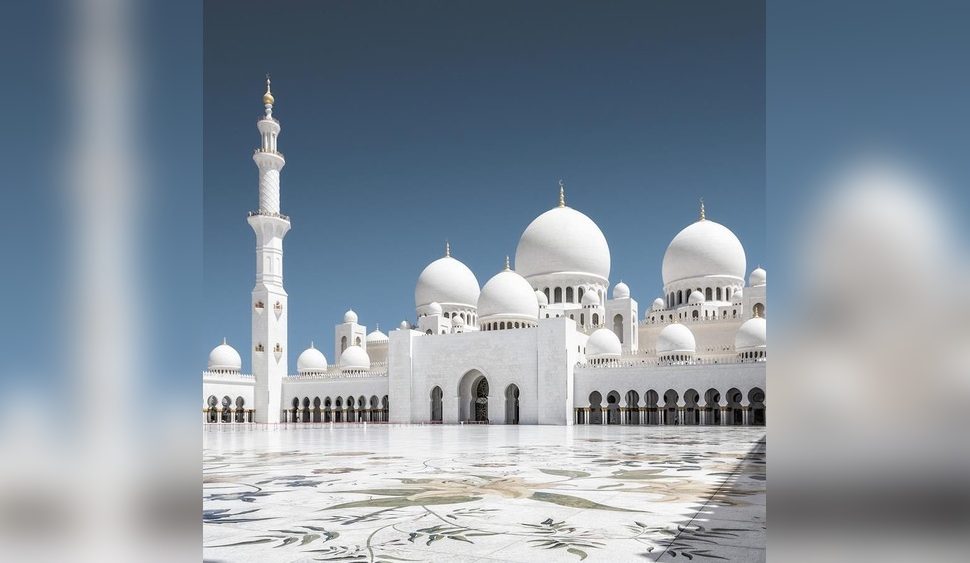
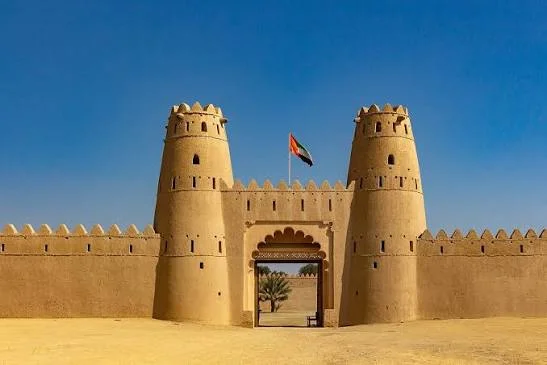
Nearby on Saadiyat and in the city, visit the Sheikh Zayed Grand Mosque and Qasr Al Hosn, or see them all on our Abu Dhabi tours from Dubai.
Frequently Asked Questions
What Is The Abrahamic Family House?

The Abrahamic Family House is a complex in Abu Dhabi, UAE, that contains a mosque, church, and synagogue. It is designed to promote interfaith dialogue and understanding among Islam, Christianity, and Judaism.
Can Anyone Visit The Abrahamic Family House?
Yes, visitors of all faiths are welcome. The site offers guided tours, educational displays, and open access to most areas. Some worship spaces may be closed during religious services.
How Are The Three Religions Represented?
Each religion has its own dedicated house of worship—mosque for Islam, church for Christianity, and synagogue for Judaism. All buildings are equal in size and design, with unique features reflecting each tradition.
What Activities Happen At The Abrahamic Family House?
The House hosts interfaith dialogues, cultural workshops, youth programs, charity events, art exhibitions, and international conferences. These activities help build bridges between communities.
Is The Abrahamic Family House Connected To Other Interfaith Projects?
Yes, it is part of a global movement for religious harmony. It is often compared to projects like the House of One in Berlin and the Tri-Faith Initiative in Omaha. The Abrahamic Family House also partners with international organizations to promote peace.
Final Thoughts
The Abrahamic Family House is a bold step toward a more peaceful world. It shows that diversity can be celebrated, not feared. By bringing together the three Abrahamic religions, the House teaches us that dialogue, respect, and shared values matter. Its influence is already felt in Abu Dhabi and beyond, inspiring new projects and conversations.
Whether you visit in person or follow its progress online, the Abrahamic Family House offers a powerful reminder: unity is possible when we listen, learn, and reach out to others. Its story is not just about architecture or religion—it is about hope for the future.
Enjoying our content? Make us a preferred source on Google.
Add us as a Preferred Source on Google