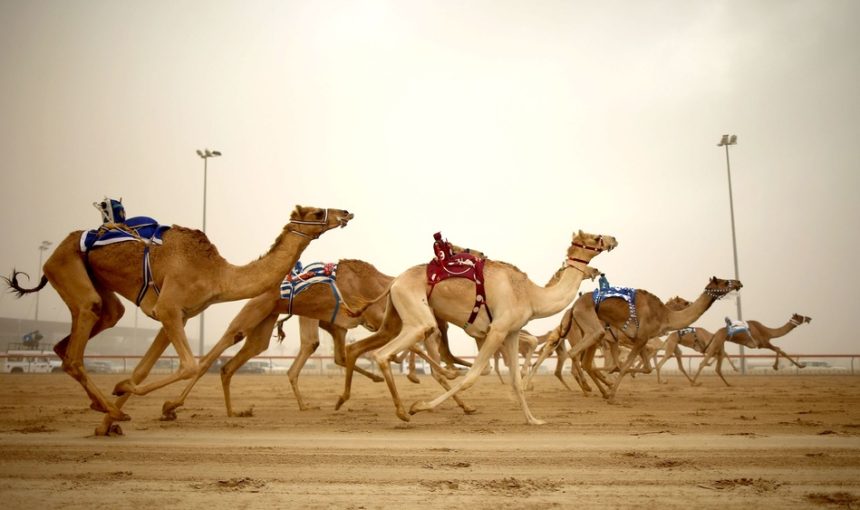
Camel races in Dubai are more than just a sport; they are a living tradition. Here, camels compete on sandy tracks, watched by excited crowds and sometimes even by royal families. These races mix old Bedouin customs with modern technology, making them a unique event in the Middle East.
Visitors from all over the world come to Dubai to see these races, hoping to experience a piece of Emirati culture. But camel racing is not simply about speed; it’s about heritage, pride, and community.
Many people think camel races are slow or boring, but that’s far from reality. The camels run fast—sometimes reaching speeds of 40 km/h (about 25 mph). The atmosphere at the racetrack is intense, with owners, trainers, and fans cheering loudly.
Dubai’s camel racing scene has grown quickly, becoming a key part of the city’s tourism and cultural identity. Let’s explore what makes camel races in Dubai special, how the sport has changed, and why it continues to draw crowds year after year.
Table of Contents
The Historical Roots Of Camel Racing
Camel racing has deep roots in the Arabian Peninsula. For centuries, Bedouins used camels for transport, trade, and sometimes friendly competition. Races were originally held during festivals or family gatherings, and winning was a matter of honor. Camels were seen as symbols of wealth and status, and the best racing camels were prized possessions.
Dubai’s modern camel racing started in the late 20th century, as oil wealth brought new opportunities. The UAE government began investing in racetracks, breeding programs, and technology to support the sport. Today, camel racing is organized, regulated, and highly competitive, with big prizes and international recognition.
Where The Action Happens: Dubai’s Top Camel Racing Tracks
Dubai has several racetracks dedicated to camel racing. The most famous is Al Marmoom Camel Race Track, located about 30 km from downtown Dubai. This sprawling complex has modern facilities, grandstands, and even VIP lounges for special guests.
Other tracks include Al Wathba Race Track and smaller local tracks. After the races at Al Wathba, you can relax at Al Wathba Lake, a free lakeside park nearby. Most races take place early in the morning, when temperatures are cooler. The tracks are made of packed sand, and distances range from 4 km to 10 km, depending on the age and type of camel. Just north of Dubai, the Al Tallah Camel Race Course in Ajman also hosts weekend races from October to March.
Main Racing Venues Comparison
Here’s a quick look at Dubai’s main camel racing venues:
| Track Name | Location | Main Features | Race Distance |
|---|---|---|---|
| Al Marmoom Camel Race Track | 30 km SE of Dubai | Largest, modern facilities, VIP areas | 4–10 km |
| Al Wathba Race Track | Near Abu Dhabi | Traditional style, regional events | 4–8 km |
| Local Tracks | Various suburbs | Community-based, less crowded | 2–6 km |
Each track has its own character. Al Marmoom hosts the biggest races, drawing thousands of spectators. Local tracks offer a more intimate experience, with fewer crowds and closer access to the camels.
The Racing Camels: Breeds And Training
Not all camels are created equal. Racing camels belong to special breeds, mainly dromedaries—the one-humped camels. The top breed in Dubai is the Majahim, known for speed and stamina. Owners invest heavily in their camels, sometimes paying up to $1 million for a champion.
Training starts early, usually when the camel is two years old. Trainers use a mix of traditional methods and modern science. Camels are fed high-energy diets and exercised daily. Some even get massages or swim workouts to build muscle and reduce stress.
Racing camels must be healthy and agile. They are lean, with long legs and a slim body. Trainers monitor their weight, heart rate, and recovery times. Injuries are taken seriously, and veterinary care is top-notch. Owners want their camels to perform at their best, so every detail counts.
Camel Breeds Data Table
Here’s a comparison of the main racing camel breeds:
| Breed Name | Origin | Speed (km/h) | Special Features |
|---|---|---|---|
| Majahim | Saudi Arabia | 35–40 | Endurance, slim body |
| Sudanese | Sudan | 30–35 | Strong legs, fast acceleration |
| Omani | Oman | 28–33 | Adaptable, good for longer races |
Most camels racing in Dubai are Majahim or Sudanese, but Omani camels appear in longer-distance races. Owners often mix breeds to improve performance.
The Race Day Experience
Attending a camel race in Dubai is a unique adventure. Races start early, usually between 6 am and 9 am. Spectators arrive before sunrise, enjoying the cool air and the excitement. The racetrack has a festival-like atmosphere, with food stalls, souvenir shops, and traditional music.
Before each race, camels are paraded in front of the audience. Owners and trainers inspect their animals, checking for signs of nervousness or fatigue. The camels are then loaded into starting gates, and the race begins with a loud signal.
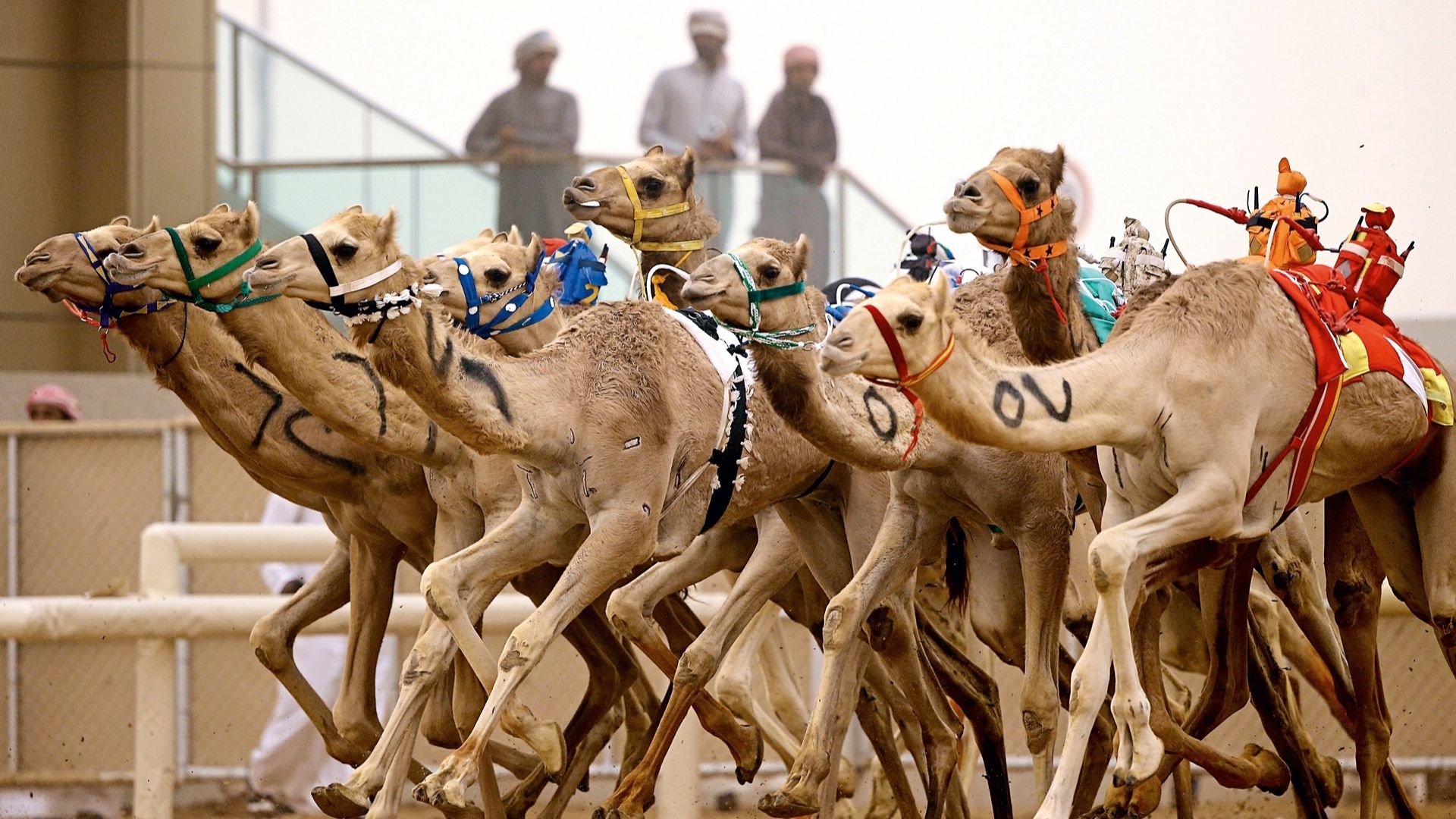
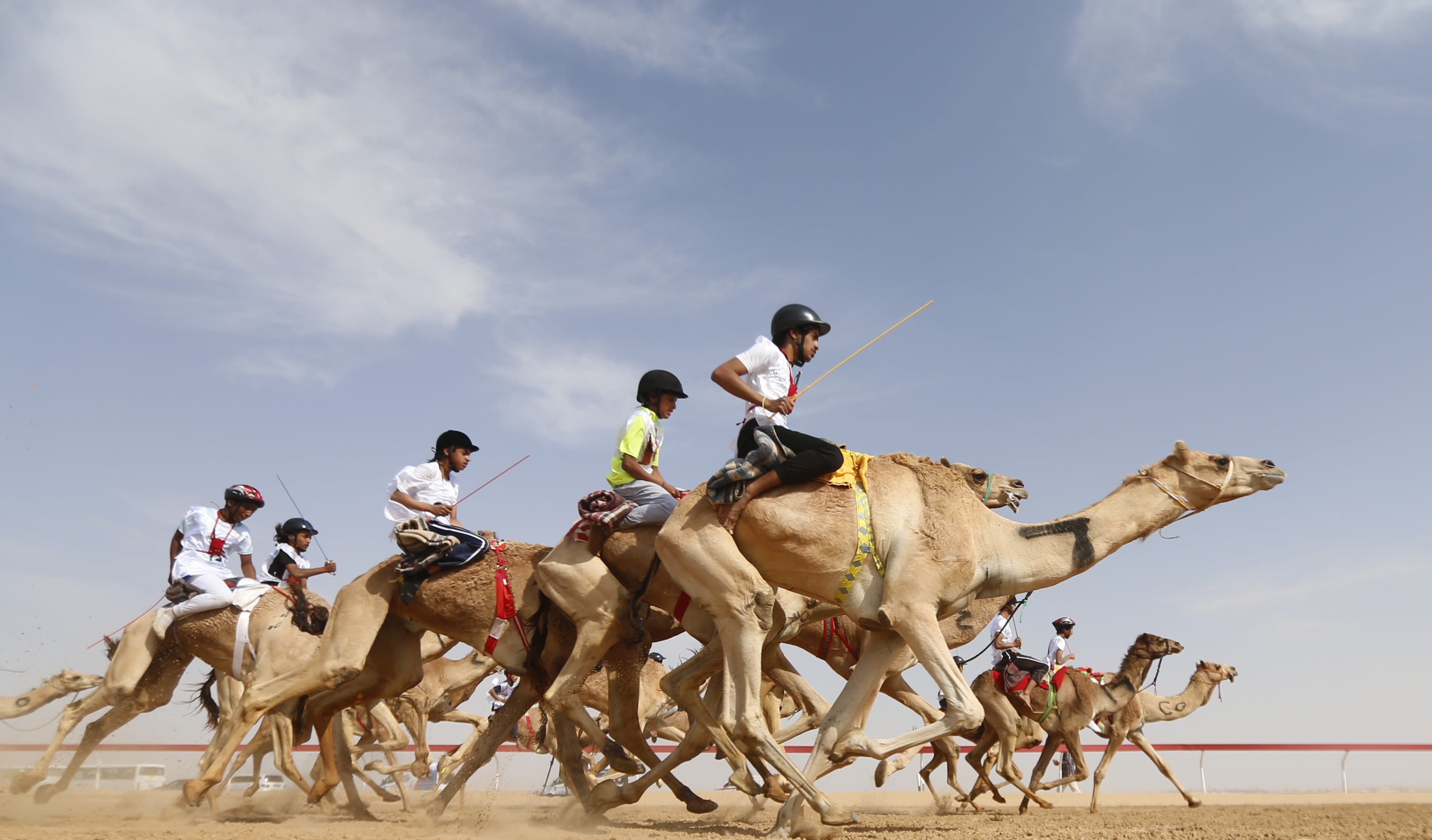
During the race, camels run in groups of 10 to 20. They are guided by robot jockeys—small mechanical devices mounted on the camel’s back. These robots use remote controls to manage speed and direction. The finish line is chaotic, with owners following in SUVs alongside the track, shouting encouragement through loudspeakers.
The winner receives prizes, often cash or luxury cars. Some races offer up to AED 1 million (about $270,000) for first place. Runners-up also get rewards, making the stakes high.
Robot Jockeys: Technology Meets Tradition
One of the most interesting changes in Dubai’s camel racing is the use of robot jockeys. In the past, young children were used as jockeys, but concerns about safety and ethics led to a ban in 2002. Today, robots have replaced human riders, making the sport safer and more modern.
Robot jockeys weigh about 2–3 kg, much lighter than a human. They have whips, speakers, and sensors to help control the camel. Owners drive alongside the track, using remote controls to guide their camels. This system ensures fair play and reduces risk.
The robots are customized for each camel. Some have GPS tracking or heart rate monitors. Others can play recorded messages, so the camel hears familiar voices during the race. This mix of technology and tradition is unique to Dubai, showing how the sport adapts to modern challenges.
Major Racing Events In Dubai
Dubai hosts several big camel racing events every year. The most famous is the Al Marmoom Heritage Festival, held every spring. This festival attracts thousands of camels and spectators, with races, cultural shows, and family activities.
Other important events include:
- Dubai Crown Prince Camel Festival – Sponsored by the royal family, this event offers huge prizes and prestige.
- National Day Camel Races – Held during UAE’s National Day celebrations, these races are full of patriotic spirit.
- President’s Cup Camel Race – One of the richest races, with international participants.
Each event lasts several days, with races for different age groups and breeds. The festivals also feature traditional Emirati crafts, music, and food, making them popular for tourists and locals alike.
Event Comparison Table
Here’s a quick comparison of Dubai’s major camel racing events:
| Event Name | Time of Year | Prize Money | Number of Camels |
|---|---|---|---|
| Al Marmoom Heritage Festival | Spring (March–April) | AED 40 million | 5,000+ |
| Crown Prince Camel Festival | Winter (Dec–Feb) | AED 20 million | 3,000+ |
| President’s Cup Race | Winter (Jan–Feb) | AED 10 million | 2,000+ |
The Al Marmoom Heritage Festival is the largest, with the most camels and prize money. The Crown Prince Festival is prestigious, attended by royalty and famous owners.
The Role Of Owners, Trainers, And The Community
Camel racing is not just about the animals. The people behind the scenes are just as important. Owners are often wealthy Emiratis or members of the royal family. They invest heavily in their camels, hiring expert trainers and veterinarians.
Trainers manage daily routines, diet, and exercise. They build relationships with the camels, using gentle methods to encourage performance. Some trainers are former jockeys, passing down knowledge from generation to generation.

The local community also plays a big role. Many families attend races, selling food or crafts at the track. Schools organize field trips to teach children about Emirati culture. Camel racing brings people together, strengthening bonds and preserving tradition.
Betting, Prizes, And Economic Impact
Unlike horse racing in other countries, betting is not allowed in Dubai. Races are watched for sport and honor, not for gambling. Instead, winners receive cash, cars, or gold. This system keeps the focus on tradition and fair play.
Camel racing has a big economic impact. The UAE spends millions on breeding, training, and organizing events. Tourism is boosted by festivals and races, with hotels, restaurants, and shops benefiting from visitors. According to government data, camel racing generates about AED 100 million ($27 million) annually for Dubai’s economy.
Many owners also use racing as a way to promote their farms or businesses. Winning camels become famous, increasing their value and attracting buyers. Some owners export camels to other countries, spreading Dubai’s reputation for quality and excellence.
How To Attend A Camel Race In Dubai
For tourists, attending a camel race is easy and fun. Most tracks are open to the public, with free entry. Races are held from October to April, when the weather is pleasant. Visitors can watch from grandstands or walk along the track for a closer view.
It’s best to arrive early, around 6 am, to catch the opening ceremonies and first races. Some tracks offer guided tours, explaining the history and rules. Visitors can buy snacks, souvenirs, or traditional clothing at stalls near the entrance.
Photography is allowed, but drones and professional cameras may need special permits. Dress modestly, as camel races are family events. Be respectful of local customs, and enjoy the lively atmosphere.
If you’re interested in learning more, the Dubai Camel Racing Club has detailed schedules and visitor information on its official site. For a deeper look into camel racing, check the Wikipedia page on camel racing.
Noteworthy Insights: What Beginners Often Miss
- Speed and Intensity – Many visitors expect camels to be slow, but racing camels are surprisingly fast. Their top speeds rival some horses, especially over short distances.
- Robot Jockeys’ Impact – Switching from human to robot jockeys was not only about safety. It also made races more competitive, as robots can be calibrated for each camel’s needs.
- Training Science – Trainers use heart monitors, dietary supplements, and even custom shoes for camels. This science-based approach is new, blending old wisdom with technology.
- Family Connections – Winning camels often come from famous bloodlines. Owners track family trees, looking for traits like speed, endurance, and temperament.
Camel Racing And Emirati Identity
For Emiratis, camel racing is a powerful symbol. It connects people to their ancestors and the desert lifestyle. Many young people are involved, learning about camels and racing as part of school programs. Even the royal family attends big races, showing their support.
Camel racing also bridges generations. Older people share stories about famous camels, while children cheer for new champions. The sport is a way to keep traditions alive in a fast-changing world.
Challenges And Controversies
Camel racing is not without challenges. Animal welfare is a top concern. Owners and trainers must follow strict rules to ensure camels are healthy and treated well. The UAE government inspects tracks and training centers, banning any mistreatment.
The switch to robot jockeys solved many problems, but some critics worry about technology replacing tradition. Others are concerned about doping or unfair practices. Dubai’s racing authorities work hard to keep the sport clean, using random checks and strict penalties.
Climate change is another challenge. Hotter weather can affect races and camel health. Tracks may need new cooling systems or shaded areas. Owners are exploring ways to protect their animals and adapt to changing conditions.
The Future Of Camel Racing In Dubai
Camel racing in Dubai is evolving quickly. New technology, better breeding, and bigger events are attracting more fans. The sport is becoming more international, with camels and owners from Africa, Asia, and Europe joining the races.
Dubai is also working to make camel racing more accessible. English-language guides, live streaming, and social media help reach global audiences. The government supports research into camel health and performance, hoping to keep the sport safe and exciting.
In the future, expect more innovation. Virtual reality tours, advanced robot jockeys, and smart racetracks could change the game. But at its heart, camel racing will always be about tradition, community, and pride.
Frequently Asked Questions
What Is The Best Time To Watch Camel Races In Dubai?
The best time is from October to April, when the weather is cooler. Most races start early in the morning, between 6 am and 9 am. Major festivals happen in spring and winter, offering the biggest events and prizes.
Are Camel Races Open To Tourists?
Yes, tourists are welcome at most racetracks. Entry is usually free, and guided tours are available. It’s a good idea to check schedules online or ask at your hotel for the latest information.
How Fast Do Racing Camels Run?
Racing camels can reach speeds of 35–40 km/h (about 22–25 mph). Some breeds are faster, especially over short distances. These speeds surprise many visitors, as camels are often thought to be slow.
What Is A Robot Jockey?
A robot jockey is a remote-controlled device placed on a camel’s back. It guides the camel during the race, replacing human riders. Robot jockeys are lighter and safer, and they can be customized for each camel.
Can I Take Photos At The Camel Races?
Yes, photography is allowed at most races. However, drones and professional cameras may need permission. Always ask staff or check the rules before taking pictures, and be respectful of the animals and people.
Camel races in Dubai are a window into a rich culture and a thrilling sport. Whether you’re a visitor or a local, the excitement, tradition, and community spirit make each race unforgettable.
Enjoying our content? Make us a preferred source on Google.
Add us as a Preferred Source on Google