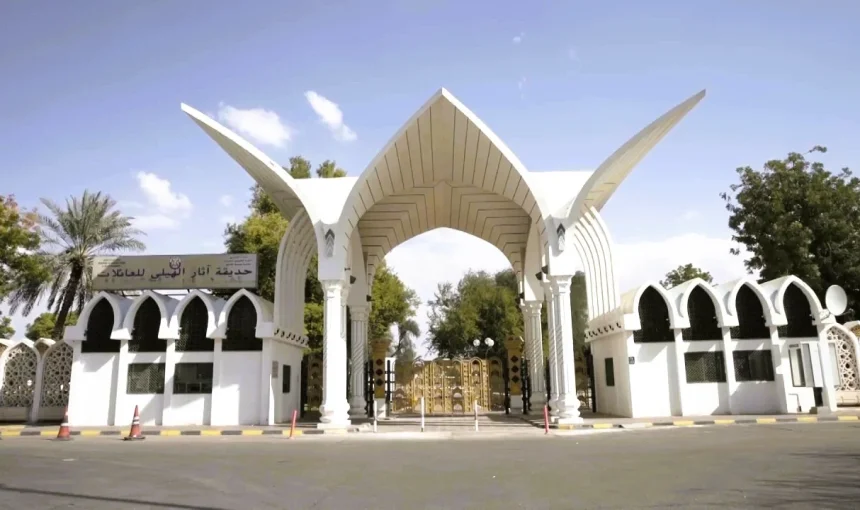
Hili Archaeological Park is a free heritage park in Al Ain, in the Emirate of Abu Dhabi, about 10 km north of Al Ain city centre. It is part of the UNESCO World Heritage site known as the Cultural Sites of Al Ain and protects tombs and settlement remains of the Bronze Age Umm an Nar culture, dating from around 2500 to 2000 BCE. Its highlight is the restored Hili Grand Tomb, set among landscaped gardens and paved walking paths. The park is an easy day trip, roughly 90 minutes by car from Dubai and about two hours from Abu Dhabi city.
Table of Contents
Hili Archaeological Park at a glance
- Location: Hili, about 10 km north of Al Ain city centre, Emirate of Abu Dhabi, UAE
- Period: Bronze Age Umm an Nar culture, around 2500 to 2000 BCE
- Main highlight: the restored Hili Grand Tomb, up to 12 metres wide
- Heritage status: part of the UNESCO World Heritage site Cultural Sites of Al Ain
- Entry: free
- Time needed: 60 to 90 minutes
- Best time to visit: October to April, morning or late afternoon
Planning your Next trip? Let White Sky handle it.
We book your attraction tickets and tours, with the option to pay later with Tabby, Tamara or UAE credit card monthly instalments.
What is Hili Archaeological Park?
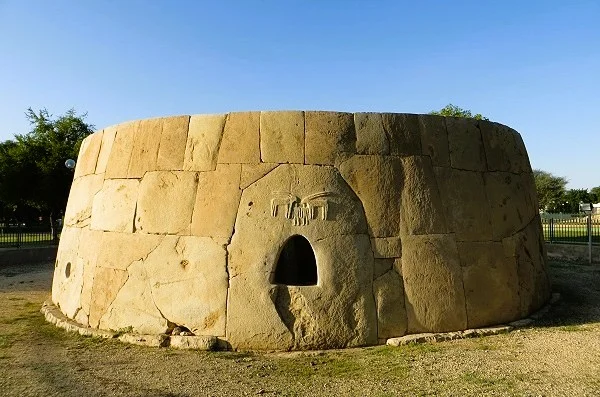
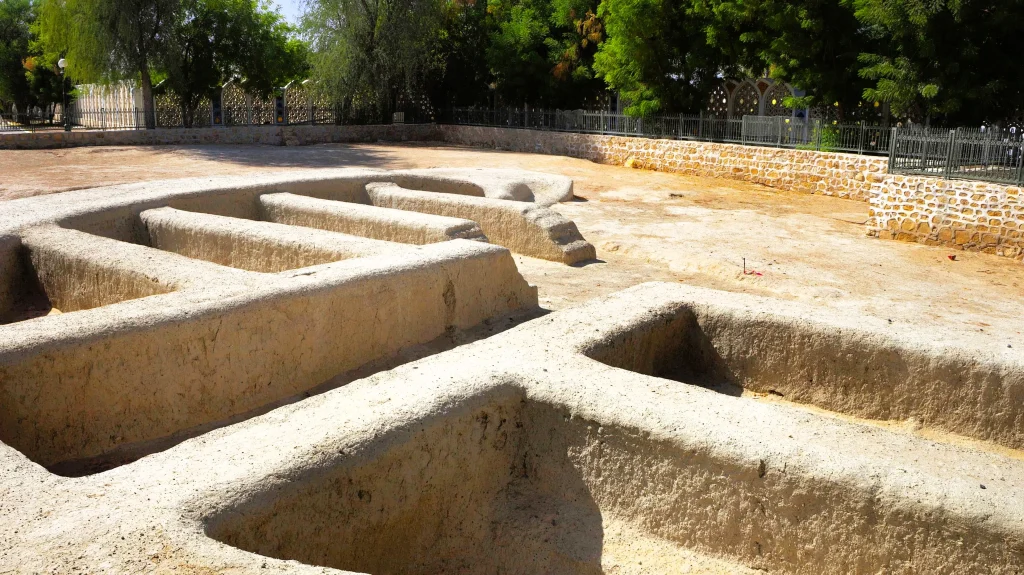
The park serves as a hub for understanding the development of human settlement in the United Arab Emirates. It features a unique collection of circular burial chambers and mud brick structures that date back to the third millennium BCE. These remains provide evidence of a sophisticated society that thrived due to the presence of natural water sources in the region. The centrepiece is the Hili Grand Tomb, dated to around 2000 BCE. This circular stone tomb measures up to 12 metres across and about 4 metres high, and its two entrances are decorated with carved reliefs of people and animals. It was used to bury people from the surrounding farming settlements.
The site is intended for history enthusiasts, families, and travelers who want to see the roots of local culture. A common mistake is thinking the park is a purely indoor museum, but it’s actually a large, open air landscape where you walk between different excavation zones. Hili is one of the components of the UNESCO listed Cultural Sites of Al Ain, alongside the Al Ain Oasis, the Jebel Hafeet tombs and Bidaa Bint Saud. The site is protected and managed by the Department of Culture and Tourism Abu Dhabi.
Where is Hili Archaeological Park?
Hili Archaeological Park is in the Hili area on the northern side of Al Ain, the garden city in the eastern part of the Emirate of Abu Dhabi, close to the border with Oman. The park sits about 10 km north of Al Ain city centre, so it is easy to combine with other sights such as the Al Ain Oasis, Al Jahili Fort and Jebel Hafeet in a single day.
Getting there from Dubai
By car, take the Dubai Al Ain Road (E66) and follow the signs for Hili as you enter Al Ain. The drive takes about 90 minutes. Without a car, the RTA E201 bus runs from Al Ghubaiba Bus Station in Dubai to Al Ain Central Bus Station in around two hours, and a taxi from there to the park takes about 15 minutes.
Getting there from Abu Dhabi
Drivers can take the Abu Dhabi Al Ain Road (E22), which takes around two hours from Abu Dhabi city. Intercity buses also run from Abu Dhabi to Al Ain Central Bus Station, where a short taxi ride brings you to the park entrance.
Getting there with White Sky
The most relaxed way to reach Hili Archaeological Park is a private transfer or an Al Ain day trip arranged by White Sky Travel and Tourism. Message us on WhatsApp at +971 4 220 2133 and we will plan the route, timings and stops for you, with the option to pay through Tabby, Tamara or UAE credit card installments.
How to explore Hili Archaeological Park
Visiting the site requires a bit of planning to ensure you see the main features of the landscape. Follow these steps to make the most of your trip to the area.
- Arrive at the park entrance during the morning hours when the temperature is lower.
- Walk toward the Grand Tomb, which is the most famous circular structure on the premises.
- Learn about the falaj, the ancient channels that carried groundwater to the farms. Archaeologists working at Hili found falaj systems from the Iron Age, around 1000 BCE, among the oldest known in Arabia.
- Follow the paved paths that wind through the palm gardens surrounding the archaeological zones.
- Spend time reading the plaques located near each ruin to learn about the specific excavation history.
- Wear comfortable shoes and a hat, as the paths are sandy and there’s limited shade.
A successful trip depends on your ability to pace yourself during the heat. If you walk too fast, you’ll miss the smaller details carved into the stone walls.
Hili Archaeological Park visitor information
| Situation | What to use | How long | What to watch for |
|---|---|---|---|
| Summer visit | Light clothing | 60 minutes | High heat levels |
| Winter visit | Comfortable layers | 120 minutes | Direct sun exposure |
| Guided tour | Walking shoes | 90 minutes | Historical signage |
| Family outing | Water bottles | 60 minutes | Uneven ground |
| Photography | Wide angle lens | 90 minutes | Reflected light |
Tips for a better experience
Experienced visitors know that preparation is the difference between a good trip and a tiring one. Before you head out, check the local weather forecast to avoid the peak heat of the afternoon. People who rush through the site often miss the subtle stone engravings on the tomb walls. Stay on the marked trails to protect the delicate soil and the ruins from accidental damage.
The park isn’t for those who expect a high tech or air conditioned experience. It’s a quiet, natural space that requires patience. If you prefer a more climate controlled environment, consider other places to visit in Al Ain instead. Always keep your group together, especially if you have children, as the park is quite large and open.
Common site issues
| What you notice | What it usually means | What to do first |
|---|---|---|
| Park is closed | Seasonal timing change | Check official website |
| Excessive heat | Midday sun exposure | Return early morning |
| Faded signage | Weathering over time | Ask at the gate |
| Sandy paths | Loose ground surface | Wear flat shoes |
Opening times can change during public holidays, Ramadan and maintenance work. Check the latest timings before you leave, or message White Sky on WhatsApp and we will confirm them for you, so you never make a long drive only to find the gate closed.

If the park is closed when you arrive, do not try to enter through other gates. Visit the nearby Al Ain Oasis or drive up Jebel Hafeet instead and return another day.
Some paths around the ruins are sandy. Wear comfortable closed toe walking shoes rather than open sandals, and stay on the paved trails where the ground is firm.
Regulations and local guidelines
Visitors must follow the rules set by the Department of Culture and Tourism to keep the area preserved. You aren’t allowed to touch or climb on any of the ancient stone structures. Touching the stones can transfer oils that damage the surface over time.
If you plan to take professional photos for commercial use, you must obtain a permit from the local authorities before you arrive. This ensures that the filming doesn’t disrupt other visitors or cause harm to the site.
Respecting the site
Hili Archaeological Park is a protected heritage site, so every visitor plays a part in keeping it intact for future generations.
Take all your litter with you or use the bins provided. Food waste and wrappers attract animals that can damage the fragile stone and mud brick remains.
If you notice fresh cracks, graffiti, or loose stones, report them to the park staff at the entrance before you depart. Don’t attempt to stabilize these features yourself.
When to choose a different trip
This site isn’t the right choice if you’re looking for an active adventure like dune bashing or water sports. If you want a fast paced day, consider a desert safari or a trip to the mountain ranges instead.
These alternatives offer more movement for travelers who find historical tours too static. Use this simple decision rule: if you prefer heart rate elevation and physical exertion over quiet observation, book the safari. If you value deep context and architectural study, stay here.
A common mistake is booking this site expecting thrills, only to feel restless by midday. That mismatch costs you a full day of your vacation. If your group includes teenagers or high energy travelers, choose the mountains to avoid the inevitable boredom.
Related guides to explore
Planning more heritage stops around Al Ain and the UAE? These White Sky guides will help you build a fuller itinerary.
- Al Ain Oasis Abu Dhabi: Explore a UNESCO Green Sanctuary
- Jebel Hafeet Al Ain: A Travel Guide to Abu Dhabi’s Highest Peak
- Al Jahili Fort in Al Ain: History, Opening Hours and Travel Tips
- Places to Visit in Al Ain
- Qasr Al Hosn Abu Dhabi: The Historic Fort
- Shimal Ras Al Khaimah: Ancient Tombs and Sheba’s Palace
- Cultural Experiences in UAE Heritage Sites
- UAE Heritage Tours and Cultural Journeys
- Abu Dhabi Tours from Dubai
Frequently asked questions
Is there an entry fee for the park?
No, entry to Hili Archaeological Park is free for all visitors. Policies can change, so message White Sky on WhatsApp to confirm timings and access before you travel to Al Ain.
How long does a visit take?
Most visitors spend about 60 to 90 minutes walking through the site at a steady pace. If you enjoy taking photos or reading every plaque, allow for up to two hours to see everything without feeling rushed in the sun.
Is the park safe for children?
Yes, the park is safe for families, but you must supervise children at all times. The paths are generally flat, but the ground can be uneven near the ruins, and there are no barriers around some of the historic structures.
Can I visit during the summer?
Yes, you can visit during the summer, but it’s highly recommended to arrive at opening time. The temperatures can exceed 40 degrees Celsius during the day, making long walks outdoors difficult and potentially unsafe without proper hydration.
Why is this site important?

Hili Archaeological Park matters because it is part of the UNESCO listed Cultural Sites of Al Ain and preserves some of the best known Umm an Nar monuments in the UAE, including the Hili Grand Tomb. It shows how people in this region lived, farmed and buried their dead more than 4,000 years ago.
Where is Hili Archaeological Park located?
Hili Archaeological Park is in the Hili area of Al Ain, in the Emirate of Abu Dhabi, about 10 km north of Al Ain city centre. It is roughly a 90 minute drive from Dubai and about two hours from Abu Dhabi city.
Is Hili Archaeological Park a UNESCO World Heritage Site?
Yes. Hili is part of the Cultural Sites of Al Ain (Hafit, Hili, Bidaa Bint Saud and Oases Areas), which UNESCO added to the World Heritage List in 2011.
What is the Hili Grand Tomb?
The Hili Grand Tomb is a restored circular stone tomb from around 2000 BCE, up to 12 metres wide and about 4 metres high. Its two entrances carry carved reliefs of people and animals, and it is the main highlight of the park.
What is the best time to visit Hili Archaeological Park?
The best time to visit is from October to April, in the morning or late afternoon, when temperatures are comfortable for walking between the ruins.
Conclusion
Hili Archaeological Park is one of the easiest ways to step back more than 4,000 years into the history of the UAE. In a short visit you can stand beside the Hili Grand Tomb, see the remains of Bronze Age Umm an Nar settlements and learn how the ancient falaj system helped early communities farm in the desert. Because the park is free, compact and set in landscaped gardens, it suits families, history lovers and anyone looking for a calm cultural stop in Al Ain.
For the best experience, visit between October and April, arrive in the morning or late afternoon, wear comfortable shoes and allow 60 to 90 minutes to explore. Pair your visit with the Al Ain Oasis or Jebel Hafeet to turn it into a full day out from Dubai or Abu Dhabi.
White Sky Travel and Tourism makes it easy to plan your trip to Al Ain. We offer flexible payment options through Tabby and Tamara, or you can use your UAE credit card to pay in installments over 12 months. Contact us on WhatsApp at +971 4 220 2133 to book your next adventure today. We can arrange Al Ain day trips, transfers and hotel stays such as Telal Resort Al Ain.
Enjoying our content? Make us a preferred source on Google.
Add us as a Preferred Source on Google