Dubai is famous for its luxury, skyscrapers, and fast-paced growth, but there’s a place where the city’s global spirit shows in a different way. International City in Dubai is a unique residential district that brings together cultures, affordability, and convenience—all in one vibrant neighborhood. While many people know Dubai for its glamorous areas, International City is often the first home for newcomers, families, and expats who want a comfortable lifestyle without breaking the bank. Let’s discover why International City stands out, what it offers, and how it has become a favorite for people from all over the world.
Table of Contents
What Is International City of Dubai?
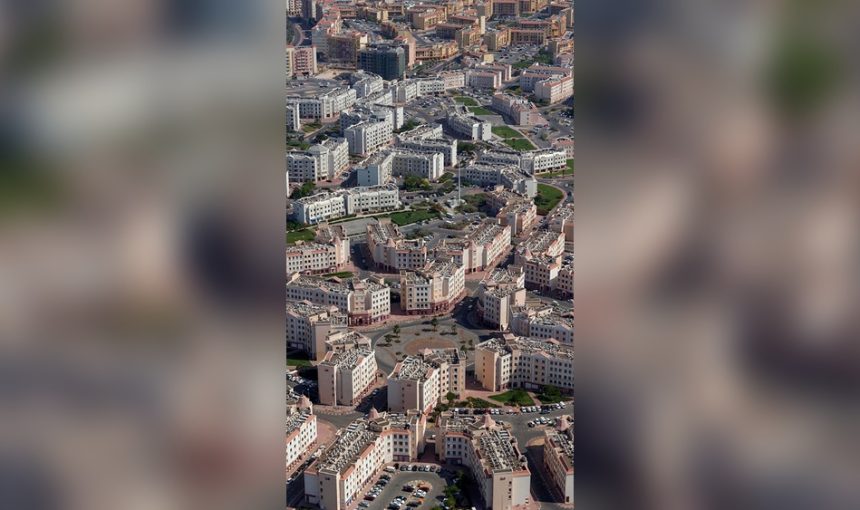
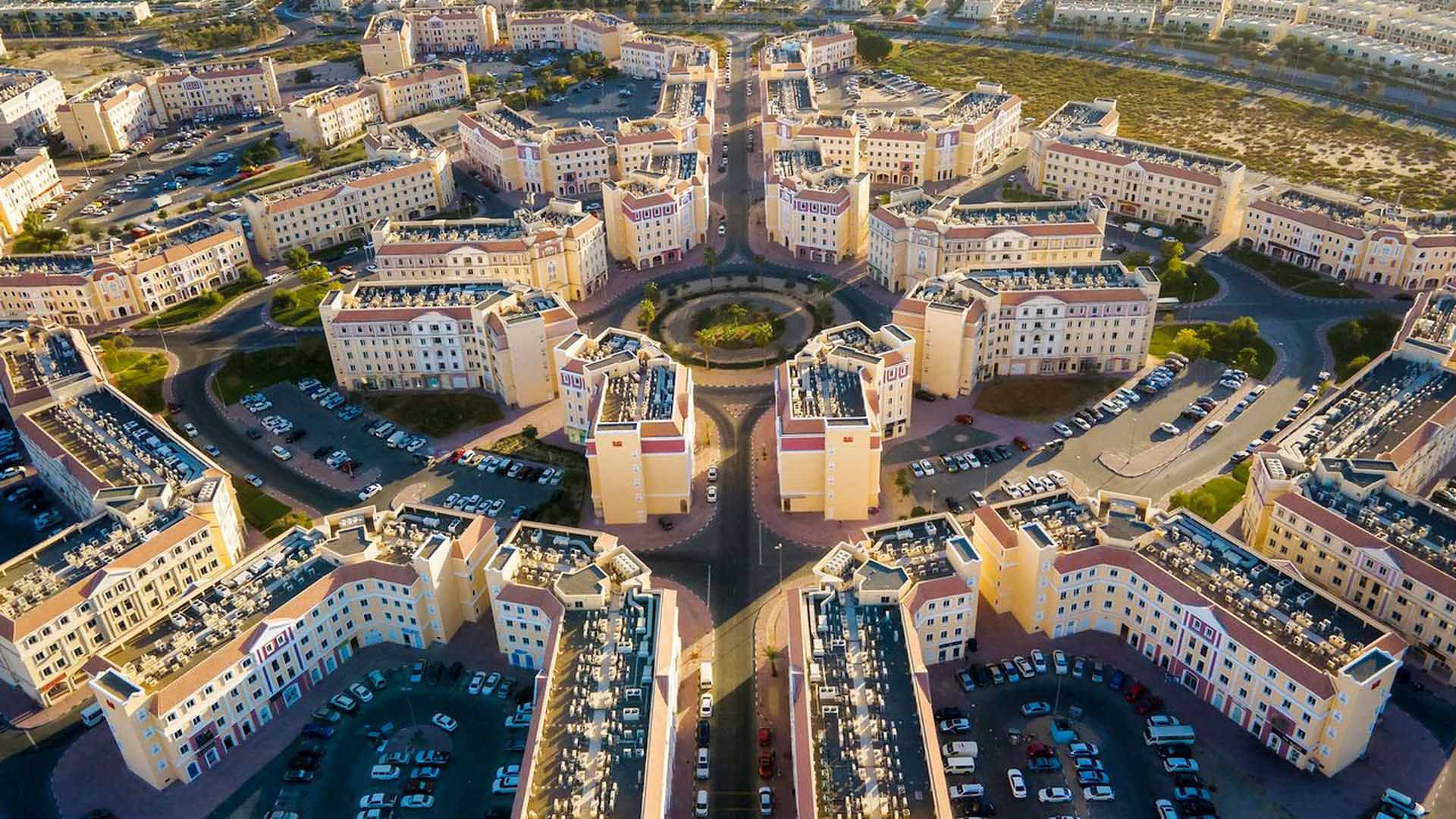
International City is a large residential and commercial area in Dubai, located in Al Warsan, close to Dubai’s eastern edge. Developed by Nakheel Properties, it covers about 8.9 square kilometers and is designed to reflect the architecture and culture of different countries. The concept is simple: each cluster of buildings is inspired by a different nation, creating a patchwork of global styles and communities.
Launched in 2002, International City was one of Dubai’s early attempts to offer affordable housing in a city known for high rents. Today, it’s home to over 100,000 residents from more than 80 countries. Its appeal lies in its diverse clusters, budget-friendly rents, and convenient location for both work and leisure.
Unique Architecture And Cultural Clusters
The main attraction of International City is its distinct clusters, each modeled after a country or region. These clusters are not just names—they feature building designs, colors, and layouts that reflect their inspiration. Here’s how the clusters are organized:
| Cluster Name | Architectural Style | Main Features |
|---|---|---|
| China | Traditional Chinese motifs | Red accents, pagoda-style roofs |
| Russia | Bold colors, arches | Distinctive facades, spacious courtyards |
| England | Brickwork, classic windows | Victorian feel, community gardens |
| France | Balconies, wrought iron | Parisian-style buildings, cozy cafes |
| Spain | Terracotta roofs | Courtyards, Mediterranean vibe |
| Italy | Stucco walls, arches | Venetian touches, piazza-style squares |
| Greece | White and blue colors | Island-inspired, open balconies |
| Emirates | Arabesque details | Local flavor, traditional design |
| Morocco | Colorful tiles | Courtyards, ornate entrances |
| Persia | Elegant patterns | Decorative arches, mosaic work |
Each cluster offers a different ambiance and attracts residents from both the featured country and other nations. For example, the China Cluster is popular with Asian families, while the England Cluster draws people who love quiet, classic architecture.

Affordability And Cost Of Living
One of the main reasons people choose International City is its affordable rents. Compared to central Dubai neighborhoods like Downtown or Dubai Marina, rents in International City are often 30–50% lower. Here’s a quick look at average rental prices (2024):
| Apartment Type | Average Monthly Rent (AED) | Downtown Dubai (AED) |
|---|---|---|
| Studio | 18,000–24,000 | 40,000–55,000 |
| 1 Bedroom | 22,000–35,000 | 55,000–85,000 |
| 2 Bedroom | 35,000–50,000 | 85,000–130,000 |
For many expats, especially those starting out in Dubai, these prices make International City an attractive option. Lower rents mean more room in the budget for daily expenses, travel, or saving.
Other living costs also tend to be lower:
- Utilities: Water and electricity bills are reasonable, often AED 400–700 per month.
- Groceries: Local supermarkets and markets offer competitive prices.
- Transportation: Public buses serve the area, and ride-sharing is cheaper due to proximity to many business hubs.
A common mistake for newcomers is underestimating maintenance fees. While rents are low, some buildings charge extra for cleaning, security, or repairs. Always ask about service charges before signing a lease.
Community Life And Amenities
International City is more than just apartments—it’s a lively community with many amenities. The area is designed for easy living, with everything residents need close by.
Shopping And Dining
The district has several shopping centers, including Dragon Mart—the largest Chinese retail mall outside China. Dragon Mart is famous for affordable electronics, home goods, clothing, and food. It’s a must-visit for anyone living in or near International City.
There are also smaller malls and convenience stores within each cluster. Residents enjoy:
- Local supermarkets
- 24-hour grocery stores
- Specialty food shops
- Pharmacies
Dining options are diverse. You’ll find:
- Chinese, Indian, Arabic, and Italian restaurants
- Fast food chains
- Family-run cafes
- Food trucks
Some clusters host food festivals and cultural events, which are great for meeting neighbors and tasting new cuisines.
Parks And Recreation
Dubai International City offers several parks and green spaces. The largest is Warsan Lake, a natural reserve with walking trails and picnic areas. Smaller parks in the clusters provide playgrounds for children and spots for jogging or relaxing.
Fitness centers and gyms are available, though they vary in quality. Many residents join sports clubs or use outdoor facilities for soccer, cricket, or yoga.
Schools And Nurseries
Education is important for families. International City has:
- Several nurseries for young children
- Private and public schools nearby (within 10–15 minutes drive)
- Language and tutoring centers
Popular schools in the area follow British, Indian, and UAE curriculums. Always check for school transportation options, as traffic can be busy during mornings.
Healthcare
Medical facilities in International City include:
- Clinics offering general and specialized care
- Dental centers
- Pharmacies open late
For emergencies or advanced treatment, residents use hospitals in nearby areas like Dubai Silicon Oasis or Al Rashidiya. Health insurance is required for expats, so make sure your plan covers these facilities.

Transportation And Connectivity
Getting around International City is easy, thanks to its location and transport links. The area sits close to Dubai International Airport, making it perfect for frequent travelers. Here are the main ways residents commute:
- Public buses connect International City to major Dubai areas, including Deira, Bur Dubai, and Sheikh Zayed Road.
- Taxis and ride-sharing services (Careem, Uber) are widely available.
- The area is close to major highways (E311, E66), offering quick routes to other parts of Dubai.
- Parking is free in most clusters, but spaces can fill up during peak hours.
A helpful tip: If you plan to drive, check your cluster’s parking policy. Some clusters have limited spaces, and street parking rules change often.
Future Transport Upgrades
Dubai’s government continues to invest in transport. Planned upgrades for International City include:
- New metro stations nearby
- Expanded bus routes
- Improved roads for easier access
These upgrades will make International City even more attractive for residents who work across Dubai.
Safety And Security
Safety is a top concern for families and expats. International City provides:
- 24/7 security in most clusters
- Surveillance cameras in common areas
- Regular police patrols
Crime rates in International City are low compared to other global cities. However, petty theft can happen, especially in crowded areas. Simple steps, like locking doors and avoiding late-night walks in isolated spots, are enough for most residents.
One non-obvious insight: Some clusters have community watch groups—neighbors who report suspicious activity and help each other. Joining these groups is a great way to stay informed and build trust in your cluster.
Investment Potential
International City is not just a place to live—it’s also a smart choice for property investors. Here’s why:
- High occupancy rates: Over 90% of apartments are rented year-round.
- Steady rental returns: Yields range from 7% to 10%, higher than many Dubai areas.
- Growing demand: As Dubai’s population rises, affordable housing remains in demand.
Let’s compare International City with other Dubai districts for investment:
| Area | Average Rental Yield (%) | Price per Sq. Ft. (AED) | Occupancy Rate (%) |
|---|---|---|---|
| International City | 8.5 | 400 | 92 |
| Dubai Marina | 6.2 | 1,400 | 88 |
| Jumeirah Village Circle | 7.0 | 800 | 90 |
| Downtown Dubai | 5.5 | 1,900 | 85 |
Property prices in International City are lower, so entry costs are reasonable for first-time investors. But, buyers should check building quality, as older buildings may need repairs.
Challenges And Common Mistakes
While International City offers many benefits, there are challenges that newcomers should know:
- Traffic congestion: During rush hours, roads can be crowded. Plan your travel times or use public transport.
- Building maintenance: Some older buildings have issues with plumbing or elevators. Always inspect the property before moving in.
- Noise: Clusters with shops and restaurants may be noisy, especially at night. Choose quieter clusters if you prefer peace.
A mistake many make is not checking the community rules. Some clusters have strict policies about pets, renovations, or parking. Read your lease carefully to avoid surprises.
Another insight: Don’t expect luxury finishes. International City offers practical living, but not high-end facilities. If you want a gym, pool, or concierge, check the building’s amenities before signing.
Who Lives In International City?
The population of International City is incredibly diverse. You’ll find:
- Young professionals: Working in Dubai’s business districts, looking for affordable rent.
- Families: Enjoying parks, schools, and safe streets.
- Students: Attending universities nearby.
- Small business owners: Running shops, cafes, or service companies.
The mix of cultures creates a lively atmosphere. Festivals, community events, and neighborhood markets bring people together.
A hidden advantage: Networking opportunities. Many residents work in different industries, so it’s easy to make connections for jobs, business, or social life.
Future Development And Growth
Dubai’s government plans to continue improving International City. Upcoming projects include:
- New shopping malls and entertainment centers
- Road expansions to reduce traffic
- Additional schools and medical facilities
- Modern residential towers with improved amenities
These changes aim to keep International City attractive for both residents and investors. As Dubai’s population grows, demand for affordable, well-located housing will remain high.
Living Tips And Practical Advice
If you’re considering International City, here are some practical tips:
- Visit at different times: Check noise levels, traffic, and amenities during day and night.
- Talk to residents: Ask about maintenance, security, and community life.
- Compare clusters: Each cluster has a different vibe—choose what suits your lifestyle.
- Read contracts carefully: Look for hidden fees, service charges, and rules.
- Check transport options: If you work far away, make sure your commute is manageable.
Many people overlook the importance of checking building management quality. A good management team means quicker repairs, cleaner common areas, and better security.
Frequently Asked Questions
Is International City Safe For Families?
Yes, International City is considered safe. Most clusters have 24/7 security and low crime rates. Many families live here and enjoy parks, schools, and playgrounds. Just follow basic safety steps and join community groups for extra peace of mind.
What Are The Best Clusters In International City?
Popular clusters include China, England, and France. China Cluster offers lively markets and affordable shops. England Cluster is quieter and good for families. France Cluster has cozy cafes and a relaxed vibe. The best cluster depends on your preferences—visit several before choosing.
How Easy Is It To Find Public Transport?
Public buses connect International City to Dubai’s main areas. Taxis and ride-sharing apps are also available. In the future, new metro stations and bus routes will make transport even easier. For now, most residents use buses, drive, or hire taxis.
Are Pets Allowed In International City?
Some clusters allow pets, but others have restrictions. Always check your building’s policy before bringing a pet. Certain buildings have size limits or require extra deposits. Talk to your landlord or management before moving in with pets.
Is International City A Good Place For Investment?
Yes, International City offers high rental yields and strong occupancy rates. Property prices are lower than other Dubai districts, making it a good choice for first-time investors. Just inspect properties carefully and check building quality before buying.
Final Thoughts
International City is a unique part of Dubai, where cultures mix, affordability meets convenience, and residents enjoy a welcoming community. Whether you’re moving to Dubai, looking for a place to invest, or want a friendly neighborhood for your family, International City has something special to offer.
It’s not the city’s most luxurious area, but its diversity, practical living, and growing amenities make it a strong choice for thousands. As Dubai continues to grow, International City will stay important—both for its residents and for the city’s global character.
Enjoying our content? Make us a preferred source on Google.
Add us as a Preferred Source on Google