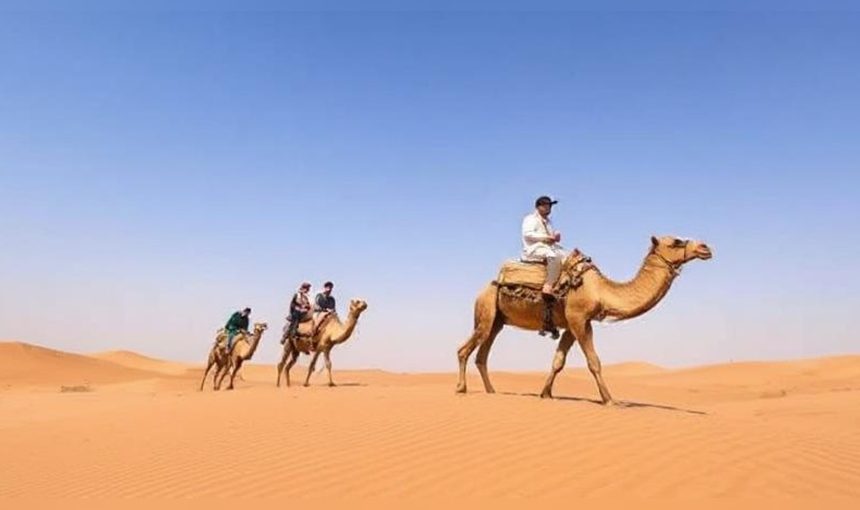
Dubai has earned a reputation for spectacle, but beneath the glittering skyline, a genuine commitment to environmental responsibility is reshaping the city’s tourism landscape. From the Dubai Clean Energy Strategy 2050 to the Dubai Sustainable Tourism Initiative, the emirate is setting measurable targets across the hotel sector, waste management, and carbon footprint reduction. We at White Sky Travel have guided travellers through Dubai for years, and we believe responsible tourism is not just possible here — it is increasingly the standard.
This guide explores practical ways to reduce your environmental impact while enjoying everything Dubai has to offer. Whether you are choosing accommodation, getting around the city, or planning activities, every decision adds up.
Table of Contents
Dubai’s Sustainability Vision and National Targets
Dubai’s government has set a clear direction. Under the UAE Net Zero 2050 strategic initiative, authorities are targeting 75% of the city’s energy from clean sources by 2050. The Dubai Clean Energy Strategy and Dubai’s Green Economy for Sustainable Development framework provide the policy backbone, with the Department of Economy and Tourism (DET) translating these goals into actionable programmes for the hospitality and tourism industries.
The Dubai Sustainable Tourism Initiative encourages hotels, attractions, and tour operators to reduce their environmental impact through independent certification, energy audits, and community engagement. The Dubai Tourism Sustainability Stamp, awarded by the DET, recognises businesses meeting defined environmental standards — a useful signal when you are researching where to stay.
From a global comparison perspective, Dubai scores well on infrastructure sustainability relative to peers in the Gulf, but acknowledges that mass tourism volumes, desert heat, and heavy water consumption remain genuine challenges requiring ongoing action.
The UAE’s Position in the Global Sustainable Tourism Conversation
The UAE has become an increasingly prominent voice in global sustainability discussions, partly through hosting COP28 in 2023. The country’s pledge to grow renewable energy capacity, improve desalination efficiency, and reduce single-use plastic in tourist zones reflects commitments made at that forum. For travellers, this translates into a destination where sustainability investments are government-backed rather than purely market-driven.
Eco-Friendly Accommodation in Dubai
Where you sleep accounts for a significant share of your travel carbon footprint. Dubai’s hotel sector has responded to both government pressure and growing traveller demand by pursuing internationally recognised environmental certifications.
Green-Certified Hotels Worth Knowing
Several Dubai properties hold credible third-party certifications. The most rigorous include LEED (Leadership in Energy and Environmental Design) and Green Globe, both of which require ongoing audits rather than one-time assessments.
Al Maha Desert Resort holds Green Globe certification and integrates wildlife conservation into its guest experience. Jumeirah Al Naseem carries LEED Gold status and deploys energy-efficient systems, water recycling, and eco-friendly cleaning products. JA Ocean View Hotel maintains a Green Key certification, emphasising recycling programmes and energy reduction across its operations.
Beyond certification, look for properties with visible programmes: LED lighting throughout, smart thermostats, linen reuse schemes, and on-site composting. Many five-star properties in Dubai now publish annual sustainability reports — a sign of genuine accountability rather than surface-level greenwashing.
How to Choose Responsible Accommodation
When comparing hotels, ask specifically about their energy sources, water recycling infrastructure, and whether food waste is composted or sent to landfill. Booking directly through the hotel rather than some aggregators can also reduce the commission chain and allow you to raise sustainability preferences directly.
We recommend checking the DET’s sustainability resources and Green Globe’s directory for verified Dubai listings before finalising your accommodation.
Sustainable Transportation in Dubai
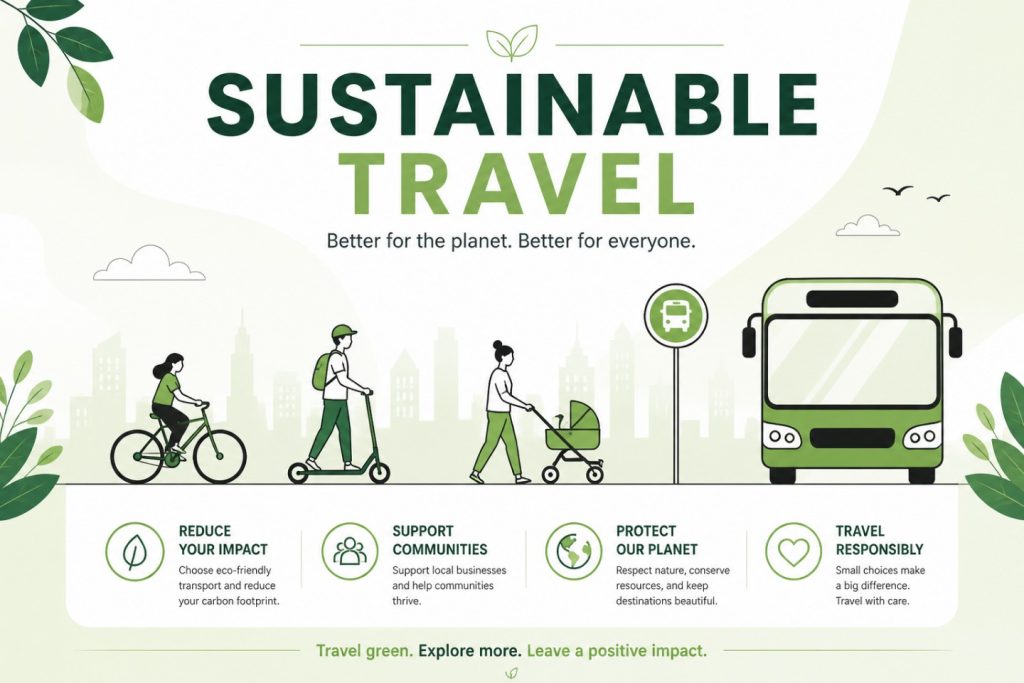
Getting around Dubai without defaulting to private taxis or rental cars is more practical than many visitors expect. The Roads and Transport Authority (RTA) has invested heavily in public transit, and the city’s urban density along the main corridors makes the Metro a genuinely competitive option.
Dubai Metro and Public Transit
The Dubai Metro Red and Green Lines cover most major tourist zones, including Downtown Dubai, the Dubai Marina, Deira, and Dubai International Airport. The network is air-conditioned, reliable, and priced well below the cost of taxis for most journeys. The Nol card system works across Metro, buses, trams, and water taxis, making multi-modal travel straightforward.

Dubai Ferry and Abra services on the Creek provide both practical transport and a culturally rich alternative to road travel. Crossing from Deira to Bur Dubai by traditional abra costs just AED 1 and eliminates a car journey entirely.
Electric Taxis and Shared Mobility
The RTA has been expanding its electric vehicle taxi fleet as part of Dubai’s broader green transport strategy. Several ride-hailing platforms operating in Dubai now offer electric or hybrid vehicle options. Car-sharing services are also available for travellers who need flexibility without the environmental cost of a full rental.
Cycling and Walking Routes
Dubai’s cycling infrastructure has improved significantly, particularly along Al Qudra Cycle Track (86 km of dedicated path through the desert) and the JBR beachfront. Cooler months between October and April make cycling a practical choice for leisure and inter-attraction travel. Many hotels in the Marina and Downtown areas offer bicycle hire.

Reducing Waste and Plastic Use in Dubai
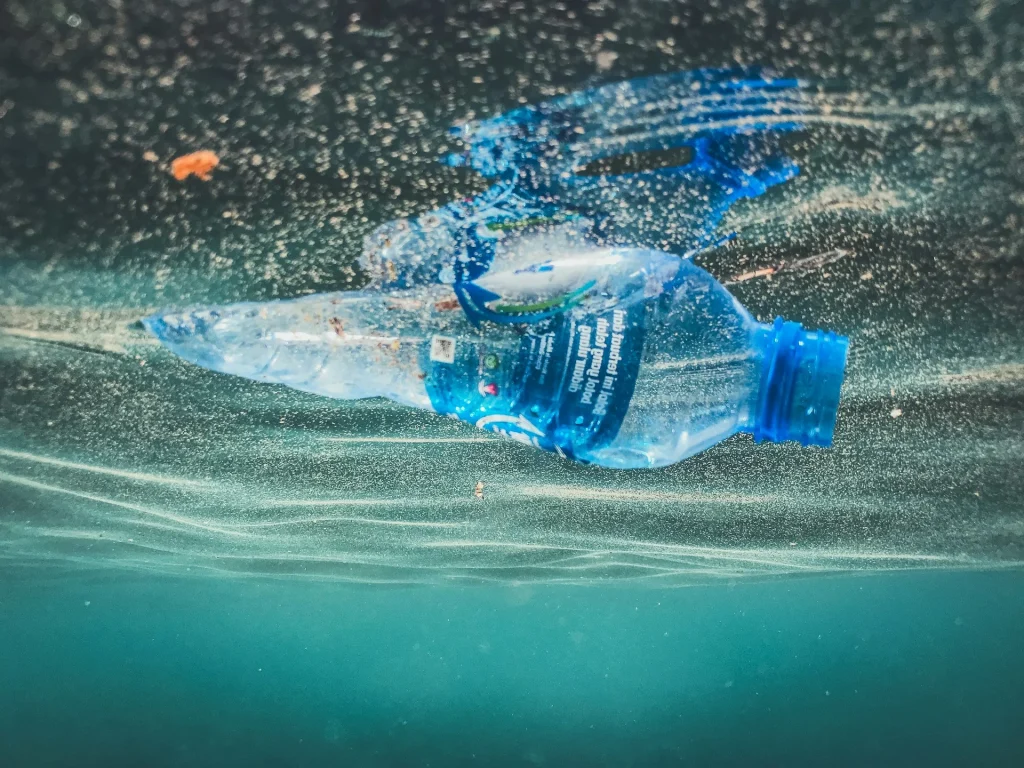
Single-use plastic reduction is an active policy area in Dubai. The UAE introduced regulations phasing out single-use plastic bags in retail, and many hotels and restaurants have moved to alternatives. As a traveller, your choices reinforce or undermine these efforts.
Practical Waste Reduction Steps
Carry a reusable water bottle and refill it at hotel stations rather than buying single-use plastic bottles throughout the day. Dubai’s tap water is safe and treated to high standards, though the taste varies by area. Many attractions and malls have refill points.
Refuse plastic straws and single-use cutlery when eating out — most restaurants will accommodate this request without issue. When shopping, bring a reusable bag; plastic bag charges now apply at many retailers.
Recycling Programmes Available to Tourists
Dubai operates a network of smart recycling bins across public areas, residential zones, and mall precincts. The Recycling City initiative provides infrastructure for separating paper, plastic, glass, and electronics. Several hotels participate in in-room recycling schemes — check at reception if bins are not provided in your room.
For electronics, the RTA and various municipal facilities accept e-waste at designated points across the emirate.
Responsible Tourism Activities in Dubai
The activities you choose during your visit carry real environmental and social weight. We encourage travellers to prioritise operators who hold independent certification, disclose their environmental practices, and contribute meaningfully to conservation efforts.
Nature and Wildlife Experiences
Ras Al Khor Wildlife Sanctuary sits within the city boundary and protects over 450 species of wildlife, including flamingos, herons, and a range of migratory birds. Entry is managed by Dubai Municipality with designated viewing areas that minimise disturbance. The sanctuary represents one of the most accessible urban wildlife destinations in the Middle East.
Al Maha Desert Resort offers guided nature walks and wildlife tracking in a protected conservation zone. Guests are briefed on desert ecology, Arabian oryx behaviour, and the importance of habitat preservation before activities begin.
Desert safari operators vary significantly in their approach to wildlife welfare and environmental impact. Choose operators who are registered with the DET, who use modern vehicles meeting emission standards, and who do not offer animal shows or rides involving wildlife. Responsible operators will also restrict dune bashing to designated areas rather than driving through protected desert zones.
Cultural Immersion and Heritage Tourism
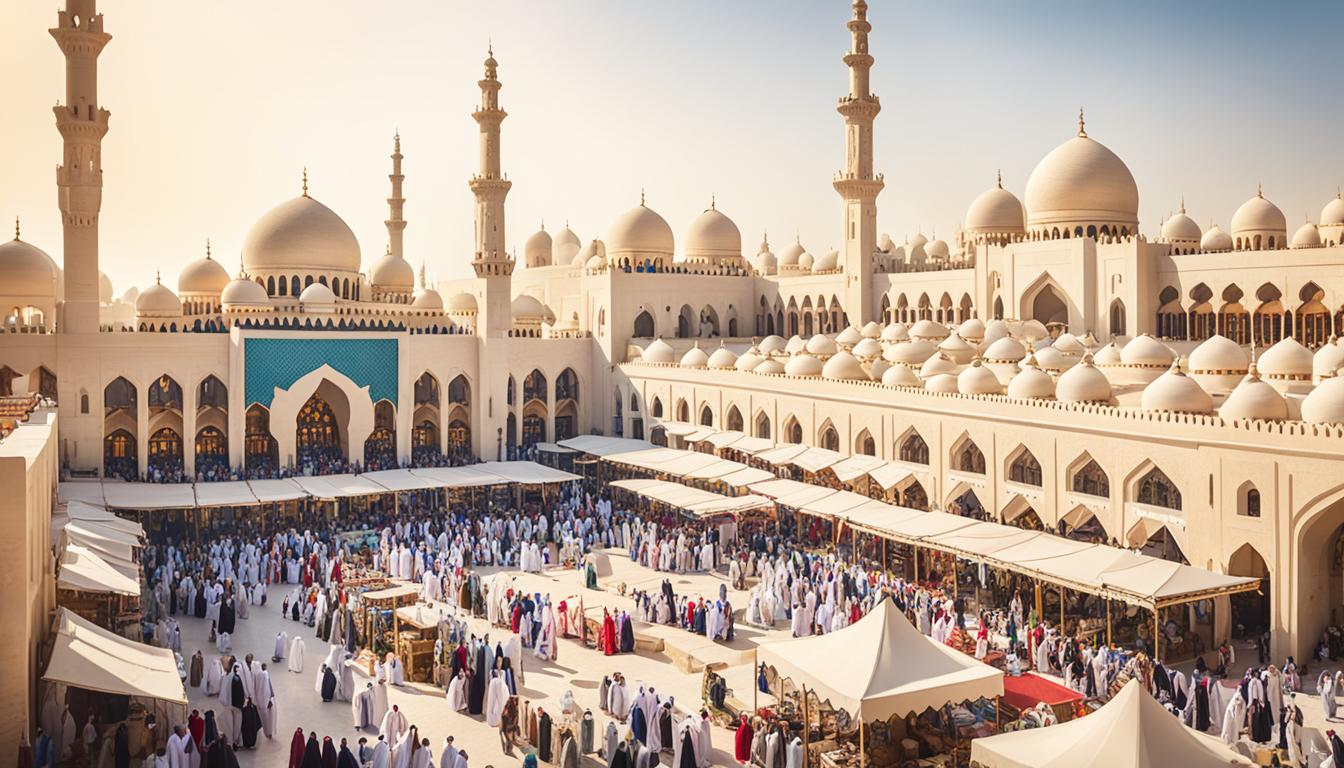
Dubai’s cultural heritage is often overlooked in favour of its modern attractions, but the Al Fahidi Historical Neighbourhood, Dubai Museum, and Deira’s spice and gold souqs offer an entirely different dimension of the city. Supporting these areas channels tourism spending toward the preservation of cultural heritage rather than exclusively into large commercial developments.
The Sheikh Mohammed Centre for Cultural Understanding runs guided mosque visits and cultural meals that provide direct access to Emirati traditions. These experiences are priced affordably and the proceeds support community education programmes.
Community-Based Tourism and Volunteering
Several organisations in Dubai facilitate meaningful community engagement for visitors. Emirates Red Crescent, local environmental NGOs, and the Dubai Cares programme offer short-term volunteering opportunities. For travellers staying longer, beach and desert clean-up initiatives run regularly through community groups and can be found through Dubai Municipality’s environmental calendar.
Water Conservation in Dubai
Water is among Dubai’s most finite natural resources. The emirate relies heavily on energy-intensive desalination for its freshwater supply, making every litre consumed by tourists a meaningful consideration.
What Hotels and Public Initiatives Are Doing
Leading Dubai hotels have invested in advanced water recycling systems that treat and reuse grey water for irrigation and cooling. Dubai Municipality’s Green Building Regulations require new commercial buildings to incorporate water-efficient fixtures and rainwater harvesting design elements.
The Dubai Irrigation Project and Smart Water Networks programme monitor consumption city-wide and have demonstrably reduced per-capita water use in participating areas. Several hotels publish their water intensity figures in annual sustainability disclosures — a level of transparency worth rewarding with your booking.
How Travellers Can Reduce Consumption
Shorter showers, reusing towels and linen, and turning off taps while brushing teeth are meaningful habits even in a city where water appears abundant. Report any leaking fixtures to hotel maintenance — a dripping tap can waste thousands of litres over a week.
Energy Efficiency and Renewable Power in Dubai
Dubai’s electricity system is transitioning. The Mohammed bin Rashid Al Maktoum Solar Park, one of the largest single-site solar developments in the world with a planned capacity of 5,000 MW, is the centrepiece of the Clean Energy Strategy 2050. Travellers staying in Dubai are increasingly drawing from a grid with growing renewable energy inputs.
What Hotels and Businesses Are Doing
Energy-conscious hotels in Dubai use building management systems to optimise air conditioning, lighting, and hot water based on occupancy. LED retrofitting across hospitality properties has reduced energy intensity significantly over the past five years. Several luxury properties — including those under the Jumeirah and Marriott portfolios — have published targets to reduce their Scope 1 and 2 carbon emissions in alignment with the Paris Agreement.
When choosing a hotel, look for those that disclose their energy consumption data and have specific carbon footprint reduction targets, not just general statements about being green.
Protecting Wildlife and Natural Areas
Dubai’s natural environment exists under significant pressure from urban expansion, heat, and water scarcity. Conservation efforts are ongoing but require both government resources and responsible tourist behaviour to succeed.
Active Conservation Programmes
Ras Al Khor Wildlife Sanctuary is managed under a RAMSAR Convention designation, giving it international recognition as a wetland of global importance. Dubai’s Arabian Oryx breeding programme, operated through the Emirates Wildlife Society in association with WWF, has contributed to regional population recovery.
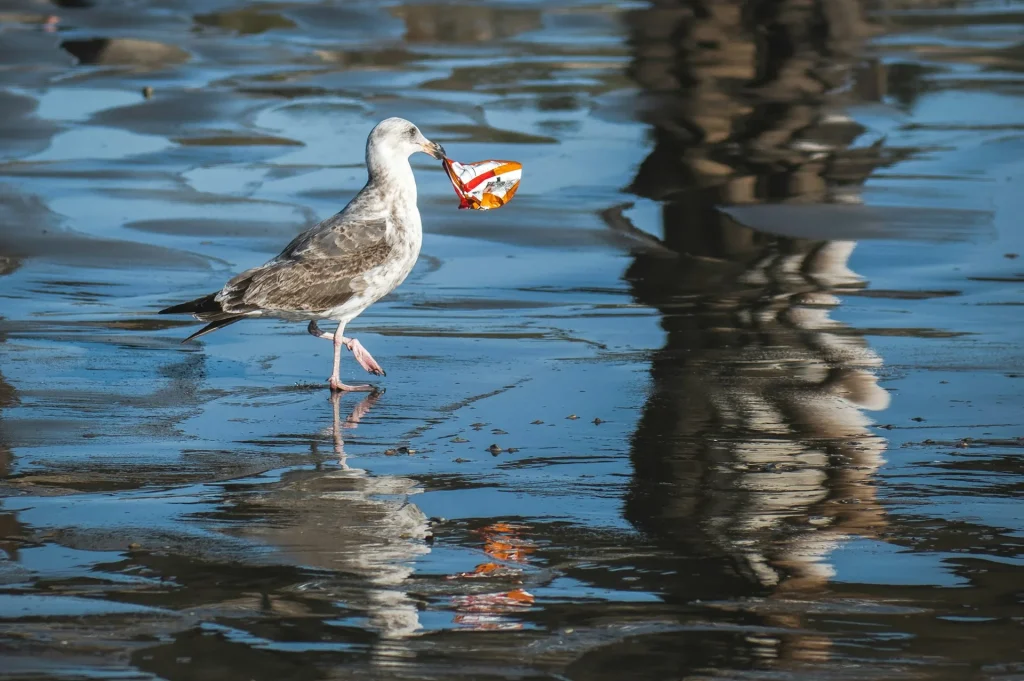
Dubai Municipality runs coastal cleanup and marine conservation programmes targeting the Gulf coastline. The Living Seas Emirates campaign — a joint initiative involving government and marine biology researchers — monitors reef health and provides citizen science opportunities for divers and snorkellers.
Marine Conservation for Visiting Divers and Snorkellers
The waters around Dubai and the broader UAE coastline host dugongs, hawksbill turtles, and reef fish populations that require careful management. Choose dive operators who follow the UAE’s marine protected area guidelines, enforce no-touch policies, and avoid operating in restricted zones. Reef-safe sunscreen is strongly advised — chemical sunscreen compounds have been demonstrated to damage coral at very low concentrations.
Sustainable Shopping and Dining in Dubai
Consumer choices during your visit send market signals that shape what businesses offer. Supporting businesses that source responsibly, minimise packaging, and reduce food waste creates genuine incentives for higher standards.
Responsible Shopping Choices
Dubai’s retail scene includes a growing number of stores stocking locally produced goods, artisan products, and sustainably sourced items. The Al Quoz creative district and Alserkal Avenue host independent makers, designers, and food producers whose practices are typically more transparent than large commercial retailers.
When buying souvenirs, avoid products made from protected marine species — coral, certain shells, and sea turtle products are prohibited from international export and their sale contributes to illegal wildlife trade.
Eco-Conscious Dining in Dubai
The farm-to-table movement has reached Dubai, with restaurants like Teible and various hotels sourcing produce from UAE-based vertical farms and regional suppliers. These restaurants reduce the transport carbon footprint of food while supporting local agricultural development.
Plant-forward dining options have expanded significantly across the city. Choosing restaurants that clearly communicate their sourcing, support regional producers, and operate waste reduction programmes is an effective way to extend your sustainable travel choices into daily meals.
Smart Planning for Responsible Travel in Dubai
Thoughtful preparation before your trip is among the most effective ways to reduce your overall environmental impact.
Book non-stop flights where possible — takeoff and landing account for a disproportionate share of aviation carbon emissions, so each connection you add significantly increases your trip’s carbon footprint. Offset unavoidable flight emissions through a verified scheme such as Gold Standard or Verified Carbon Standard, and be sceptical of airline-branded offset programmes that lack independent verification.
Travel in cooler months (October to April) when air conditioning demand is lower, outdoor activity is practical, and water consumption per visitor is reduced. Pack light — every kilogram of luggage adds to fuel burn, particularly on long-haul routes.
Download offline maps and transit apps before arrival to reduce reliance on data roaming, and carry a reusable cup and bottle from home to avoid purchasing single-use items at airports or on arrival.
Comparing Dubai’s Sustainability Efforts Internationally
Dubai occupies an interesting position in the global sustainable tourism ranking. Its per-capita carbon footprint is high due to air-conditioned everything, desalinated water, and a built environment optimised for a desert climate. However, government investment in sustainability infrastructure has been substantial and is accelerating.
Compared to other major tourism destinations in the region, Dubai leads on public transit quality, renewable energy investment, and hotel sustainability certification rates. Compared to European destinations, it lags on carbon intensity and biodiversity protection. The honest picture is one of genuine progress against a structurally challenging baseline — travellers who engage with sustainable options actively reinforce the trajectory rather than the baseline.
FAQ’s for Sustainable Travel Practices in Dubai
What is Dubai doing to promote sustainable tourism?
The Department of Economy and Tourism runs the Dubai Sustainable Tourism Initiative, awarding its Tourism Sustainability Stamp to hotels and operators meeting defined environmental standards. The broader policy framework includes the Dubai Clean Energy Strategy 2050 and the UAE Net Zero 2050 initiative, which target clean energy, waste reduction, and carbon footprint management across all sectors including hospitality.
Are there eco-friendly hotels in Dubai?
Yes. Dubai has a growing number of hotels holding LEED, Green Globe, or Green Key certification. Al Maha Desert Resort, Jumeirah Al Naseem, and JA Ocean View Hotel are among the most recognised. The DET’s sustainability portal and Green Globe’s online directory allow you to search for certified properties.
Is Dubai’s public transport eco-friendly?
The Dubai Metro is one of the most modern and energy-efficient urban transit systems in the Middle East. The RTA is also expanding its electric vehicle fleet and has committed to clean-energy buses. Using the Metro, bus, tram, and abra services rather than private taxis meaningfully reduces your transport carbon footprint.
How can tourists reduce waste during a Dubai visit?
Carry a reusable water bottle and shopping bag, decline single-use plastic items, and use the emirate’s smart recycling bins for separating waste. Many Dubai hotels now offer in-room recycling — ask at reception if bins are not provided. The UAE has implemented retail plastic bag charges as part of broader single-use plastic reduction measures.
Where can I learn more about Dubai’s sustainability efforts?
The Department of Economy and Tourism publishes sustainability updates at dubaidet.gov.ae. The UAE Ministry of Climate Change and Environment maintains national-level data and programme information. Dubai Municipality’s environmental pages cover local conservation, recycling infrastructure, and protected areas including Ras Al Khor Wildlife Sanctuary.
Plan Your Sustainable Dubai Trip with White Sky Travel
We specialise in helping travellers explore Dubai and the wider UAE responsibly. Whether you need hotel bookings with verified eco-credentials, tours led by environmentally certified operators, UAE tourist visas, or full travel packages tailored to your preferences, our team can help you plan a trip that aligns with your values.
Our consultants are available daily from 8 AM to 8 PM. Book any of our services with flexible monthly payments through Tabby, Tamara, or UAE credit card (up to 12 months).
Contact us on WhatsApp at +971 42 202 133 or +971 52 292 1011.
White Sky Travel and Tourism LLC — DED License No. 1143288 Room 202, Royal Class Building, Dubai Investment Park 1, Dubai.
Enjoying our content? Make us a preferred source on Google.
Add us as a Preferred Source on Google