Table of Contents
Al Dhaid Sharjah: A Guide To The Oasis City
Al Dhaid is a special place in Sharjah, United Arab Emirates. It is known for its green farms, local culture, and peaceful lifestyle. Many people visit Al Dhaid to see a different side of the UAE—away from tall skyscrapers and busy city life.
This article will show you what makes Al Dhaid unique. You will learn about its history, culture, economy, main attractions, and more. If you are interested in exploring Sharjah beyond the usual tourist spots, Al Dhaid is a great choice.
Where Is Al Dhaid?
Al Dhaid is located in the center of the Sharjah Emirate. It is about 60 kilometers east of Sharjah City and 80 kilometers from Dubai. The city sits near the Hajar Mountains, which makes the climate cooler and the soil good for farming. Just a short drive east is Al Manama, a quiet Ajman enclave known for its historic forts and farms.
Al Dhaid connects to other parts of the UAE by main highways. The E88 (Al Dhaid Road) links Al Dhaid to Sharjah City. This road is well-maintained and easy to use. You can drive from Sharjah to Al Dhaid in about 45 minutes.
History Of Al Dhaid
Al Dhaid has a long history as an oasis settlement. The city was important for trade and agriculture because of its water sources and fertile land. In the past, Bedouin tribes lived here and grew crops like dates and vegetables.
The Al Dhaid Fort is a reminder of this history. The fort was built in the 18th century to protect the area from attacks. It was also a place for local leaders to meet and solve problems. Today, the fort is restored and open to visitors.
Al Dhaid was once a center for camel trading. People from different parts of the region came here to buy and sell camels, which were valuable for transport and food.
The Oasis: Al Dhaid’s Green Heart
Al Dhaid is famous for its oasis. Unlike much of the UAE, which is dry, Al Dhaid has underground water that supports farms and gardens.
Farming And Water
The oasis is home to many farms. Farmers grow date palms, mangoes, lemons, and vegetables. The soil is rich, and the water comes from wells and underground springs.
Al Dhaid uses traditional irrigation systems called falaj. This system brings water from underground channels to the farms. It is an old but effective way to keep the land green.
Date Production
Dates are the main crop in Al Dhaid. Every year, the city produces thousands of tons of dates. Some farms have more than 20 types of dates.
Many families in Al Dhaid work in date farming. They know how to care for the trees, harvest the fruit, and prepare them for sale.
Comparison Of Date Production In Uae Regions
Here is a simple comparison of date production between Al Dhaid and other UAE regions:
| Region | Main Date Varieties | Annual Production (Tons) | Farming Method |
|---|---|---|---|
| Al Dhaid | Khalas, Lulu, Barhi | 8,000 | Falaj Irrigation |
| Liwa (Abu Dhabi) | Khenaizi, Dabbas | 20,000 | Modern Drip |
| Al Ain | Khalas, Zahidi | 15,000 | Mixed Systems |
| Ras Al Khaimah | Barhi, Lulu | 5,000 | Falaj Irrigation |
Al Dhaid’s farms use traditional methods, which help protect the environment and support local families.
Culture And Community Life
Al Dhaid is a city where tradition is important. People here are proud of their culture, and they keep old customs alive.
Tribal Heritage
The city is home to several Bedouin tribes. These tribes have lived in Al Dhaid for hundreds of years. They are known for hospitality and strong family ties.
Events like weddings, religious celebrations, and festivals are big occasions. Families gather together, share food, and celebrate.
Language And Customs
Arabic is the main language, but many people speak English, Hindi, and Urdu because of the diverse population.
Traditional dress is common, especially among older residents. Men wear the kandura (white robe), and women wear the abaya (black cloak).
Local Markets
Al Dhaid has lively markets called souks. Here, you can buy fresh dates, fruits, vegetables, and handicrafts. The souks are busy in the mornings and evenings.
Many shops sell handmade items like carpets, pottery, and baskets. These items show the skills of local craftsmen. For an even bigger choice, drive about 30 minutes east to the Masafi Friday Market, which is open every day.
Major Attractions In Al Dhaid
Al Dhaid is not just about farms and markets. There are several places to visit and enjoy.
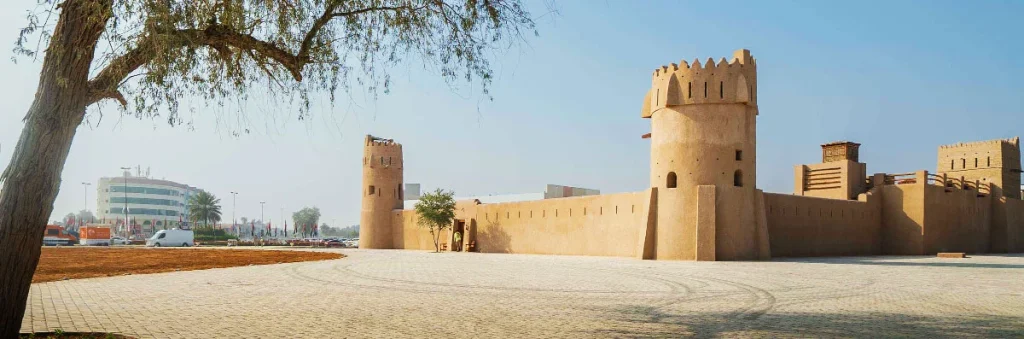
Al Dhaid Fort
The fort is the main historical site. It stands in the middle of the city. Visitors can walk around the fort, see old walls, and learn about the past.
Guided tours are available, and you can see weapons, tools, and photos from history.
Al Dhaid Date Festival
This festival happens every summer. Farmers bring their best dates to the market. There are competitions for the best dates, and visitors can taste different varieties.
The festival also has music, dance, and workshops about farming.
Al Dhaid Wildlife Center
The center is close to the city. It is home to native animals like oryx, gazelles, and birds. There are walking trails and guided tours.
Families like to visit the center because it is educational and fun.
Camel Market
Al Dhaid’s camel market is famous. Traders come from far away to buy and sell camels. You can see different breeds and learn about camel care.
The market is open every week, and tourists are welcome.
Al Dhaid Gardens And Parks
The city has several public parks. These parks are good for picnics, walks, and playing with children. The gardens are full of flowers and shade trees.
Economy Of Al Dhaid
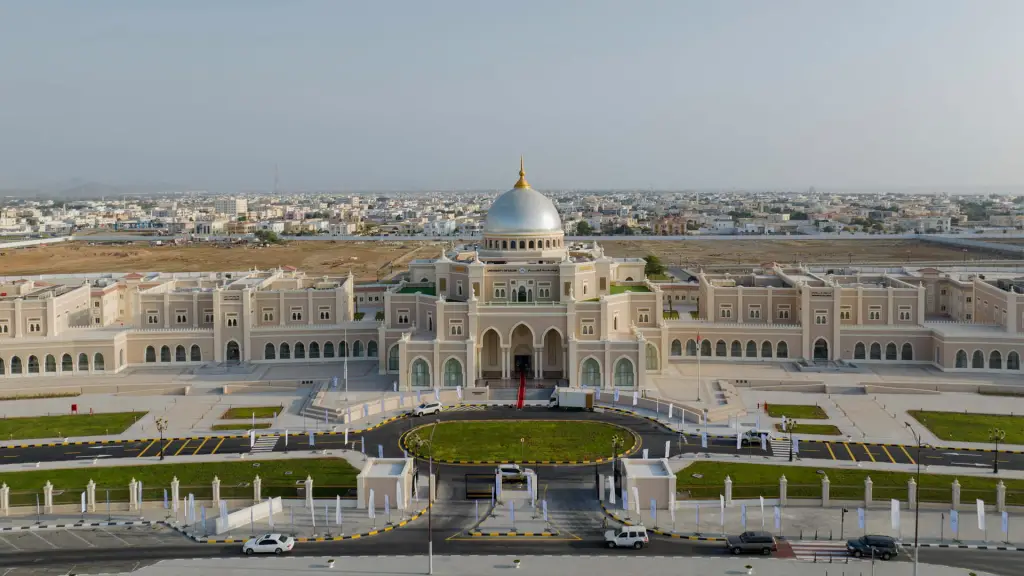
Al Dhaid’s economy is based on agriculture. The city is a main supplier of fruits and vegetables for Sharjah and nearby emirates.
Farming And Exports
Most farms in Al Dhaid are family-owned. They grow dates, mangoes, citrus fruits, and vegetables like tomatoes and cucumbers.

Some farms export dates to other countries, especially during Ramadan and Eid.
Animal Husbandry
Besides crops, Al Dhaid has cattle and goat farms. These farms produce milk, meat, and wool.
Camel trading is still important. Camels are valuable for racing, breeding, and traditional uses.
Business And Services
In recent years, Al Dhaid has grown. There are more shops, schools, clinics, and banks. Still, the city keeps its local character.
Data: Agriculture Output In Al Dhaid Vs. Sharjah City
Here is a comparison of agricultural output:
| Product | Al Dhaid (Tons/year) | Sharjah City (Tons/year) | Market Reach |
|---|---|---|---|
| Dates | 8,000 | 1,200 | UAE, GCC |
| Mangoes | 3,000 | 900 | Local, GCC |
| Vegetables | 10,500 | 2,000 | Local |
Al Dhaid produces much more than Sharjah City, especially dates and vegetables.
Education And Health Services
Al Dhaid has good schools and clinics. These services help the community grow and stay healthy.
Schools
There are several primary and secondary schools in Al Dhaid. Some schools follow the UAE national curriculum, while others use British or Indian systems.
The city also has a campus of the University of Sharjah. This campus offers courses in agriculture, business, and science.
Healthcare
Al Dhaid Hospital is the main medical center. It has emergency services, specialist doctors, and modern equipment.
Private clinics offer dental, eye, and children’s care. Pharmacies are easy to find.
Health Data Comparison
Here is a quick overview of health facilities in Al Dhaid and Sharjah City:
| Facility Type | Al Dhaid | Sharjah City |
|---|---|---|
| Hospitals | 1 public, 3 private | 7 public, 15 private |
| Clinics | 10 | 50+ |
| Pharmacies | 15 | 60+ |
Al Dhaid has fewer facilities, but most residents find the services good for daily needs.
Living In Al Dhaid
Many people choose to live in Al Dhaid because of its calm lifestyle. The city is less crowded, and the cost of living is lower than Sharjah City or Dubai.
Housing
Al Dhaid has villas, apartments, and traditional houses. Most homes have gardens and space for children to play.
Rental prices are affordable. You can rent a villa for AED 50,000 per year or an apartment for AED 25,000 per year.
Community Life
Life in Al Dhaid is relaxed. People know their neighbors and help each other. The city is safe, and crime rates are low.
The pace is slower than big cities. You hear birds instead of traffic.
Pros And Cons Of Living In Al Dhaid
Here is a simple summary:
- Pros
- Peaceful environment
- Lower cost of living
- Clean air and green spaces
- Friendly community
- Cons
- Fewer entertainment options
- Limited shopping malls
- Smaller healthcare network
Most residents find the pros outweigh the cons, especially if they value quiet and nature.
Transportation And Connectivity
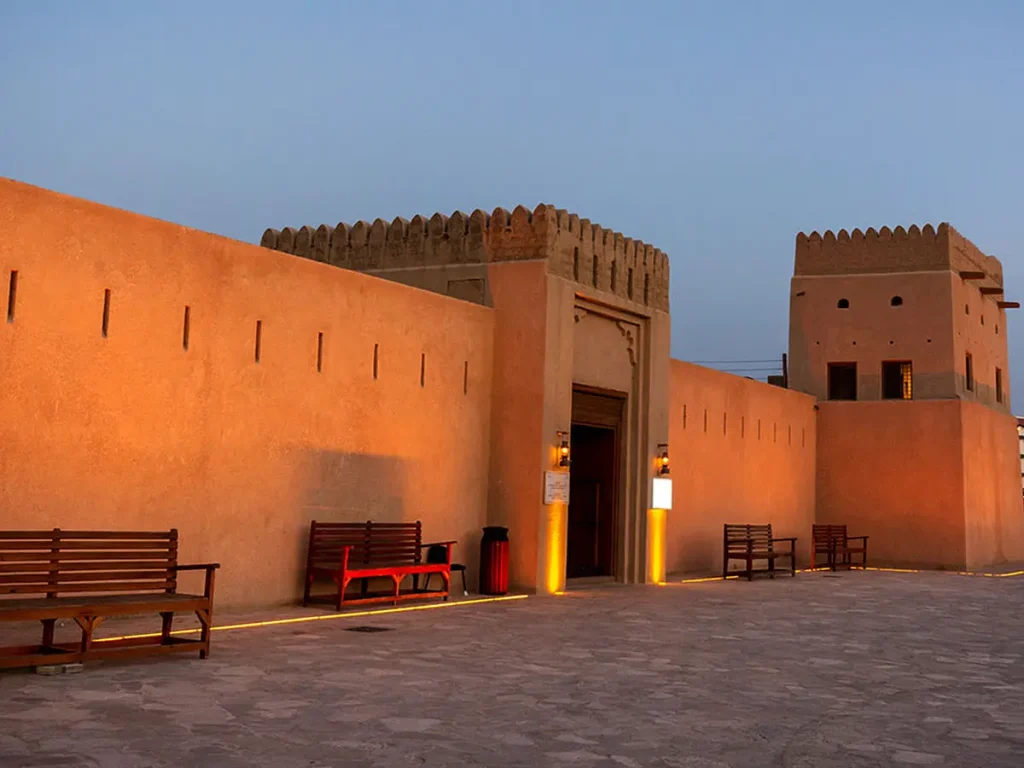
Al Dhaid is easy to reach by car. The roads are wide, and traffic is light.
Public Transport
There are buses from Sharjah City to Al Dhaid. The trip takes about one hour. Taxis are available, and rides are not expensive.
Road Network
The E88 highway connects Al Dhaid to Sharjah and other cities. The E102 links Al Dhaid to Fujairah and the east coast.
Many people use private cars. Parking is easy, and fuel is cheap in the UAE.
Travel Data
Average travel times:
- Sharjah City to Al Dhaid: 45 minutes by car
- Dubai to Al Dhaid: 1 hour by car
- Fujairah to Al Dhaid: 50 minutes by car
Unique Experiences In Al Dhaid
Al Dhaid offers several experiences that you cannot find in larger cities.
Farm Visits
Many farms welcome visitors. You can walk among date palms, pick fruits, and learn about irrigation.
Some farms offer lunch with local dishes. This is a good way to meet local families and see daily life.
Camel Racing
Camel racing is a traditional sport in Al Dhaid. Races happen in winter and spring. The camels run on special tracks, and crowds cheer for their favorites.
You can watch the races for free and take photos.
Bird Watching
Al Dhaid is home to many birds. The oasis and farms attract species like hoopoes, bulbuls, and owls.
Bird watching groups organize trips, especially in cooler months.
Traditional Crafts
You can join workshops in pottery, basket weaving, and carpet making. These workshops are run by local women and men. You learn skills and get to make your own souvenirs.
Local Cuisine
Al Dhaid’s food is simple and tasty. Try dishes like harees (wheat and meat), machboos (rice and chicken), and fresh dates.
Restaurants serve Emirati food, and some offer Indian and Lebanese dishes.
Al Dhaid In Sharjah’s Development Plan
Sharjah’s leaders want to protect Al Dhaid’s culture and nature. The city is part of Sharjah’s plan to support rural areas.
Sustainable Development
Projects focus on:
- Water conservation
- Modern farming techniques
- Eco-tourism
- Education and health improvements
Al Dhaid is expected to grow, but the goal is to keep its green character.
Tourism
Sharjah’s tourism board promotes Al Dhaid as a destination for farm stays, festivals, and nature walks.
For more information, see the official Sharjah Tourism website: Visit Sharjah.
Environmental Importance
Al Dhaid’s oasis helps the environment. The trees and plants clean the air and support wildlife.
The city is part of the UAE’s plan to plant more trees and protect water sources.
Challenges
Al Dhaid faces challenges:
- Water shortages in dry years
- Urban development pressure
- Climate change
Local leaders are working to solve these problems by using new technologies and protecting nature.
Practical Tips For Visiting Al Dhaid
If you plan to visit Al Dhaid, here are some tips:
- Visit in winter or spring. The weather is cooler, and farms are green.
- Wear light, comfortable clothing. The sun can be strong.
- Try to attend the Date Festival or a camel race.
- Bring cash for markets. Some shops do not accept cards.
- Speak with locals. Most people are friendly and happy to share their culture.
- Take a camera. The oasis, farms, and markets are full of color.
Non-obvious Insights For New Visitors
- Farm stays are possible: Some farms offer rooms for visitors. You can stay overnight, learn about farming, and eat home-cooked meals.
- Falaj irrigation tours: Local guides can show you the falaj system. It is a unique experience not available in most UAE cities.
- Early morning markets: The souks are busiest at sunrise. This is the best time to see local life and buy fresh produce.
Frequently Asked Questions
What Is Al Dhaid Famous For?
Al Dhaid is famous for its date farms, oasis, and traditional markets. The city is known for producing high-quality dates and hosting the Date Festival every year.
How Do I Reach Al Dhaid From Dubai Or Sharjah?
You can reach Al Dhaid by car using the E88 highway. The journey from Sharjah City takes about 45 minutes, and from Dubai, about one hour. Buses and taxis are also available.
Is Al Dhaid Good For Family Visits?
Yes, Al Dhaid is great for families. There are parks, wildlife centers, and farm tours. The city is safe, and children can enjoy nature and learn about farming.
Are There Hotels In Al Dhaid?
Al Dhaid has a few small hotels and guesthouses. Some farms offer farm stays. For more choices, you can stay in Sharjah City and visit Al Dhaid for a day.
What Is The Best Time To Visit Al Dhaid?
The best time to visit is November to March. The weather is cool, and farms are busy with harvests. Festivals and markets are active during these months.
Al Dhaid offers a peaceful, authentic experience in Sharjah. Whether you want to learn about traditional farming, try local food, or simply enjoy nature, the city has something for everyone. With its oasis, culture, and friendly people, Al Dhaid is a hidden gem worth exploring.
Enjoying our content? Make us a preferred source on Google.
Add us as a Preferred Source on Google