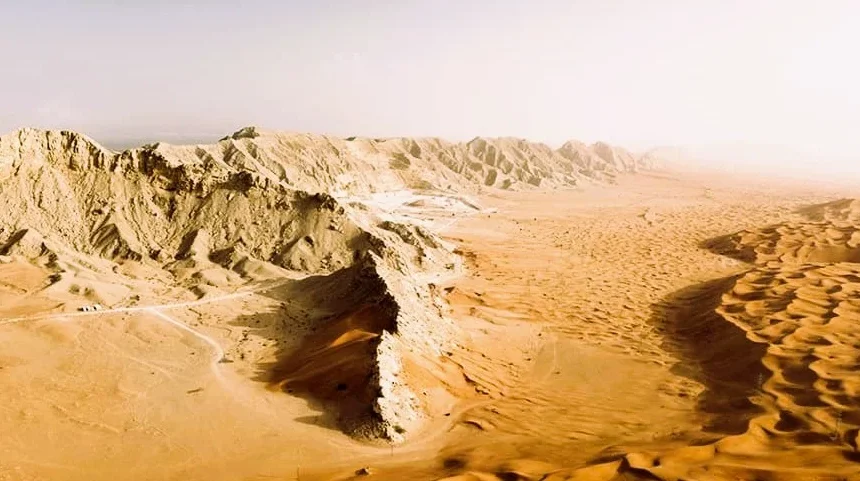
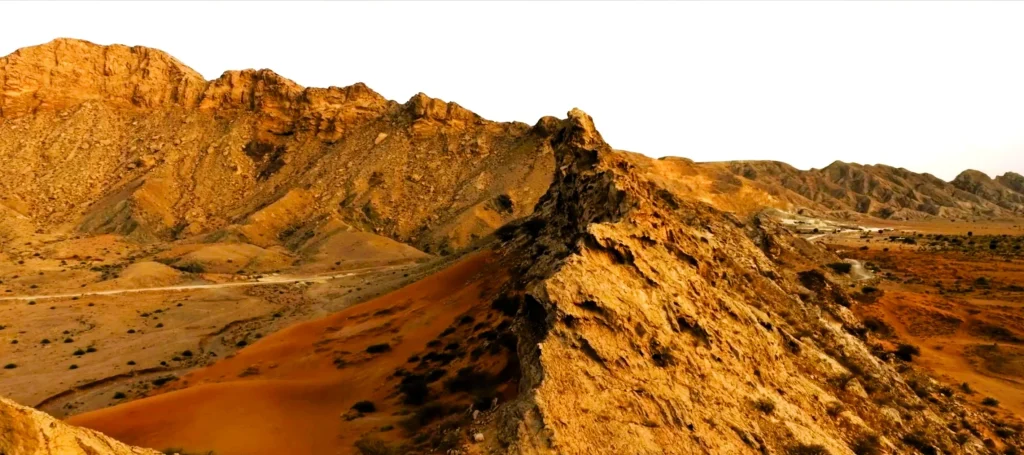
Jebel Faya is a limestone mountain ridge in the central region of Sharjah, UAE, right beside Mleiha and about 45 minutes to an hour by car from Dubai or Sharjah city. Its rock shelters hold one of the longest records of early human life in Arabia, with stone tools dating from about 210,000 to 80,000 years ago, and in 2025 UNESCO added the area to the World Heritage List as the Faya Palaeolandscape, the second World Heritage Site in the UAE. You can visit Jebel Faya on a guided tour through the Mleiha Archaeological Centre, best between October and March, and White Sky Travel and Tourism can book your tour, transport and desert stay with Tabby, Tamara or UAE credit card installments up to 12 months.
Planning your Next trip? Let White Sky handle it.
We book your attraction tickets and tours, with the option to pay later with Tabby, Tamara or UAE credit card monthly instalments.
This guide covers the history of Jebel Faya, its UNESCO status, how to get there, what you will see, current tickets and timings, where to stay nearby and the best places to add to your trip.
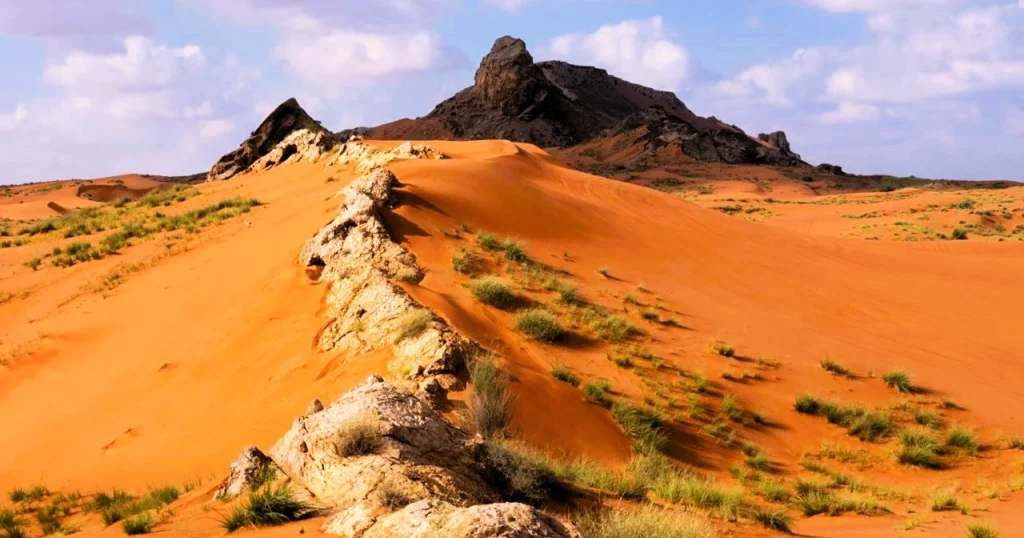
Table of Contents
Jebel Faya at a glance
| Jebel Faya | Details |
|---|---|
| Location | Central region of Sharjah, beside Mleiha, between Al Dhaid and Al Madam |
| UNESCO status | Part of the Faya Palaeolandscape, World Heritage Site since 2025 |
| Age of finds | Stone tools from about 210,000 to 80,000 years ago, plus Neolithic, Bronze Age and Iron Age layers |
| Main site | The FAY NE1 rock shelter at the northern end of the ridge |
| Highest point | About 412 metres |
| Drive time | About 45 to 60 minutes from Dubai or Sharjah city |
| Best time to visit | October to March |
| Time needed | Half a day, or overnight with a desert stay |
| How to book | White Sky Travel and Tourism on WhatsApp +971 4 220 2133 |
Why Jebel Faya is famous
Jebel Faya is about 10 km long and 2 km wide, and it rises out of the gravel plains between the Gulf coast and the Hajar Mountains. French archaeologists first tested the rock shelter in the 1980s, and from 2003 to 2017 the Sharjah Archaeology Authority and the University of Tübingen ran long excavations here. They found more than 6,000 stone artefacts in the shelter and around 28,000 more on the terrace in front of it.
One layer, dated to about 125,000 years ago, holds small hand axes and other tools that put Jebel Faya at the centre of a big scientific debate about when modern humans first left Africa and crossed into Arabia. No human bones have been found, so experts still discuss exactly who made the tools.
Latest discoveries at Jebel Faya
Research at Jebel Faya is still adding to the story. A Sharjah Archaeology Authority study with the universities of Tübingen, Freiburg and Oxford Brookes, published in Scientific Reports, found four phases of human occupation in the rock shelter between about 210,000 and 120,000 years ago. People lived here in both dry and wetter periods, which suggests early humans coped with the desert better than experts once thought.
In 2025, a team led by Friedrich Schiller University Jena reported blades about 80,000 years old, the oldest known systematic blade making by Homo sapiens in Arabia. The toolmakers struck stone cores from both ends to produce long, sharp blades. As Khaleej Times reported, the finds point to people living at or returning to Jebel Faya again and again from about 210,000 to 80,000 years ago, often when monsoon rains turned parts of Arabia green.
Jebel Faya and UNESCO World Heritage status
At its 47th session in July 2025, the UNESCO World Heritage Committee inscribed the Faya Palaeolandscape, which includes Jebel Faya and its rock shelters. Khaleej Times notes it is the second UAE site on the list after the Cultural Sites of Al Ain, the first desert Palaeolithic site on the World Heritage List and the only Arab site added that year. In January 2026, Sharjah marked the inscription with an official ceremony and launched the Faya Research Grant, a Dh2 million programme running from 2026 to 2028 to fund new research at the site.
Jebel Faya timeline
| When | What happened at Jebel Faya |
|---|---|
| About 210,000 to 120,000 years ago | Four phases of human occupation in the FAY NE1 rock shelter |
| About 125,000 years ago | Small hand axes and Levallois style tools linked to early modern humans |
| About 80,000 years ago | Oldest known systematic blade making by Homo sapiens in Arabia |
| About 9,500 years ago | Neolithic layer with arrowheads known as Faya points |
| 1980s | First test excavations by a French team |
| 2003 to 2017 | Excavations by the Sharjah Archaeology Authority and the University of Tübingen |
| July 2025 | Faya Palaeolandscape added to the UNESCO World Heritage List |
| January 2026 | UNESCO ceremony in Sharjah and launch of the Faya Research Grant |
Where is Jebel Faya and how to get there
Jebel Faya rises above the village of Mleiha in the central region of Sharjah, inland from Sharjah city and close to the Mleiha Archaeological Centre. The drive takes about 45 minutes to an hour from Dubai or Sharjah city, and around two hours from Abu Dhabi. Our Mleiha Sharjah guide covers the wider area in more detail.
- A normal car can reach the centre and the main sites; a 4×4 is only needed for dune drives.
- Fill up with fuel in Al Dhaid or Al Madam before the last stretch of desert road.
- Download your route offline, as phone signal can be weak around the ridge.
- Prefer not to drive? White Sky can arrange a private transfer or a full day tour from Dubai or Sharjah.
What to see at Jebel Faya
Most visits start at the Mleiha Archaeological Centre, where exhibits explain the tools, tombs and layers before you head out with a guide.
- FAY NE1 rock shelter: the main excavation area at the northern end of Jebel Faya, where the oldest tools were found.
- Faya caves and the Valley of the Caves: natural caves, an old water spring and Bronze Age tombs along the ridge.
- Umm an Nar tomb and Mleiha Fort: a circular Bronze Age tomb and a mud brick fort a few minutes from the centre.
- Fossil Rock: a striking rock covered in marine fossils, great for a short climb and desert views.
- Camel Rock: a rock shaped like a kneeling camel and a favourite sunset spot.
Jebel Faya tours, tickets and opening hours
The Mleiha Archaeological Centre opens daily from 9 am, with longer evening hours on some days, and its timings change by season. Entry to the centre costs AED 25 for adults and AED 15 for children aged 10 and under, and children under 5 go free. Guided archaeological tours, cave tours and SUV tours around Jebel Faya are priced separately.
Prices and timings may change, T&C apply and the final price is confirmed during booking. Message White Sky on WhatsApp at +971 4 220 2133 to book your Jebel Faya tour.
Best time to visit Jebel Faya
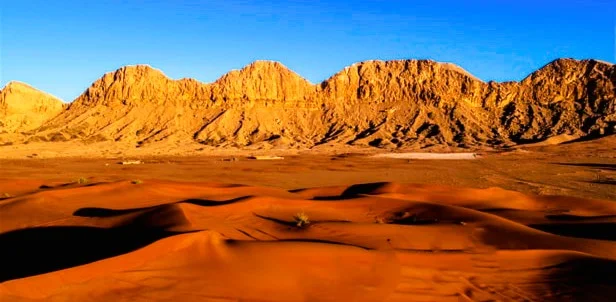
October to March is the best time, with warm days and cool evenings that suit walking among the rocks. From May to September, inland temperatures often go above 40°C, so plan a short early morning visit if you go in summer. Late afternoon is lovely for photos, and staying after sunset gives you some of the clearest night skies near Dubai.
Where to stay near Jebel Faya
A night in the desert lets you enjoy sunset, stargazing and sunrise without the drive back. Popular stays include:
- Al Faya Retreat: a boutique stay in restored buildings at the foot of Jebel Faya.
- Moon Retreat: dome shaped eco lodges in the Mleiha desert near Fossil Rock.
- Al Badayer Retreat: a fort style desert resort among the red dunes of Al Badayer.
- Mleiha desert camping: a simple overnight camp with dinner and stargazing.
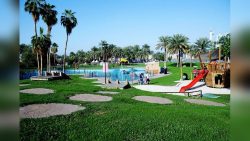
White Sky can book hotels with flexible payment plans in UAE, so you can add your stay to your tour and pay in easy monthly installments.
Places to visit near Jebel Faya
- Mleiha desert: red dunes for buggy rides, SUV drives and sunset walks.
- Buhais Geology Park: fossils and rock formations a short drive south.
- Al Madam buried village: abandoned houses slowly filling with sand.
- Al Dhaid: an oasis town with farms and markets, see our Al Dhaid Sharjah guide.
- Al Dhaid Wildlife Museum: a good indoor stop for families.
- Kalba: on the east coast, pair your trip with the Khor Kalba Mangrove Centre or the Hanging Garden Kalba.
Tips for visiting Jebel Faya
- Carry about 2 litres of water per person, a hat, sunscreen and closed shoes.
- Stay on marked paths and never take stones or artefacts, as heritage sites in the UAE are protected by law.
- Book a guide, because the rock shelters can look like plain rock without the story behind them.
- Visit the centre exhibits first, so the layers and tools make sense when you see them outside.
- Plan the outdoor part for early morning or late afternoon.
Is Jebel Faya right for you?
Jebel Faya is a great pick for history lovers, families with school age children in the cooler months, photographers and UAE residents looking for a different weekend trip. If anyone in your group finds uneven, rocky ground hard, or you only have midday hours in summer, focus on the indoor exhibits at the centre instead and save the outdoor sites for a cooler day.
Plan your Jebel Faya trip with White Sky
White Sky Travel and Tourism can arrange your Jebel Faya tour, Mleiha activities, transport and desert stay in one booking. As a travel agency with Tabby payment in Dubai, we let you split the cost with Tabby, Tamara or UAE credit card installments up to 12 months. Message us on WhatsApp at +971 4 220 2133 and we will plan the day around you.
Related Articles
Keep planning your Sharjah trip with these guides:
- Mleiha Sharjah: UNESCO Heritage, Things to Do, Tickets and Where to Stay
- Mleiha Archaeological Centre in Sharjah: Tickets, Timings and What to See
- Al Dhaid Sharjah: Top Attractions and Travel Guide
- Al Dhaid Wildlife Museum in Sharjah: Seven Halls, Location and Visit Tips
- Khor Kalba Mangrove Centre in Sharjah: Tickets, Timings and What to See
- Hanging Garden Kalba in Sharjah: Tickets, Timings and Things to Do
Frequently asked questions
What is Jebel Faya?
Jebel Faya is a limestone mountain ridge in the central region of Sharjah, UAE, known for rock shelters that hold stone tools from about 210,000 to 80,000 years ago. It is one of the most important early human sites in Arabia.
Where is Jebel Faya located?
Jebel Faya is in Mleiha, Central Region, Sharjah, UAE, beside the Mleiha Archaeological Centre on Mleiha Road, between Al Dhaid and Al Madam.
Why is Jebel Faya famous?
Jebel Faya is famous for one of the longest records of early human life in Arabia, including tools about 125,000 years old that are linked to the first journeys of modern humans out of Africa.
Is Jebel Faya a UNESCO World Heritage Site?
Yes. In July 2025, UNESCO inscribed the Faya Palaeolandscape, which includes Jebel Faya, on the World Heritage List. It is the second World Heritage Site in the UAE after the Cultural Sites of Al Ain.
What is the Faya Palaeolandscape?
The Faya Palaeolandscape is the UNESCO World Heritage Site in central Sharjah that includes Jebel Faya, its rock shelters and the surrounding fossil desert. It was inscribed in July 2025 as the first desert Palaeolithic site on the World Heritage List.
What are the latest discoveries at Jebel Faya?
Recent studies found four phases of human occupation between about 210,000 and 120,000 years ago, and blades about 80,000 years old, the oldest known systematic blade making by Homo sapiens in Arabia. In 2026 Sharjah launched the Dh2 million Faya Research Grant to fund more research.
How old are the stone tools at Jebel Faya?
The tools at Jebel Faya date from about 210,000 to 80,000 years ago. Research shows four phases of occupation between about 210,000 and 120,000 years ago, a well known layer from about 125,000 years ago and blades from about 80,000 years ago.
Can tourists visit Jebel Faya?
Yes. Tourists visit Jebel Faya on guided tours run from the Mleiha Archaeological Centre, which include the rock shelters, caves and nearby tombs. White Sky can book your tour and transport.
How much does it cost to visit Jebel Faya?
Entry to the Mleiha Archaeological Centre costs AED 25 for adults and AED 15 for children aged 10 and under, and guided tours are extra. Prices may change, T&C apply and the final price is confirmed during booking.
What is the best time to visit Jebel Faya?
The best time is October to March. In summer, temperatures often pass 40°C, so plan only a short early morning visit.
How far is Jebel Faya from Dubai?
Jebel Faya is about 45 minutes to an hour by car from Dubai, depending on your starting point and traffic.
Where can I stay near Jebel Faya?
Popular stays near Jebel Faya include Al Faya Retreat, Moon Retreat, Al Badayer Retreat and overnight desert camping in Mleiha.
Can I pay for a Jebel Faya trip in installments?
Yes. White Sky Travel and Tourism lets you pay for your Jebel Faya tour and stay with Tabby, Tamara or UAE credit card installments up to 12 months. Message us on WhatsApp at +971 4 220 2133.
Conclusion
Jebel Faya is one of the most important places in Arabia for understanding early human life, and its UNESCO World Heritage status makes it a proud highlight of Sharjah. With a guided tour, an early start in the cooler months and perhaps a night under the stars at Mleiha, you get history, desert scenery and adventure in a single trip. When you are ready, White Sky will book it for you with flexible payment options. Message us on WhatsApp at +971 4 220 2133
Enjoying our content? Make us a preferred source on Google.
Add us as a Preferred Source on Google